The principle of combining visual recognition with physical writing is a cornerstone of effective learning, particularly when it comes to mastering times tables. By engaging both visual and kinesthetic senses, learners can reinforce their understanding of multiplication patterns and develop a stronger foundation in mathematics. This approach is especially relevant when working with times table charts, as it enables students to recognize and recall multiplication facts more efficiently.
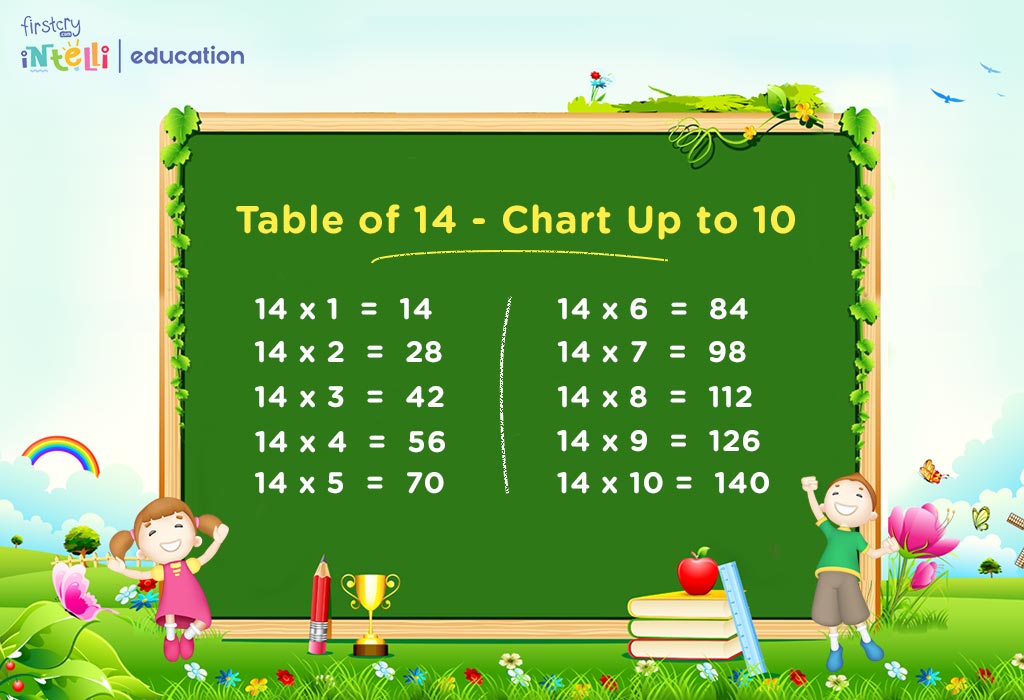
Research consistently shows that the use of visual aids, such as charts and graphs, can significantly enhance the learning process, particularly for students who are visual learners. When combined with physical writing activities, such as tracing or copying multiplication facts, learners can develop a deeper understanding of the relationships between numbers and improve their ability to apply this knowledge in various mathematical contexts.
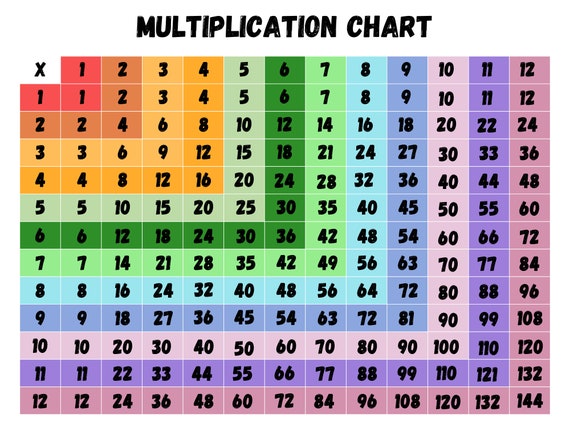
For instance, a teacher can use a times table chart to help students identify patterns and relationships between numbers, and then have them practice writing multiplication facts to reinforce their understanding.
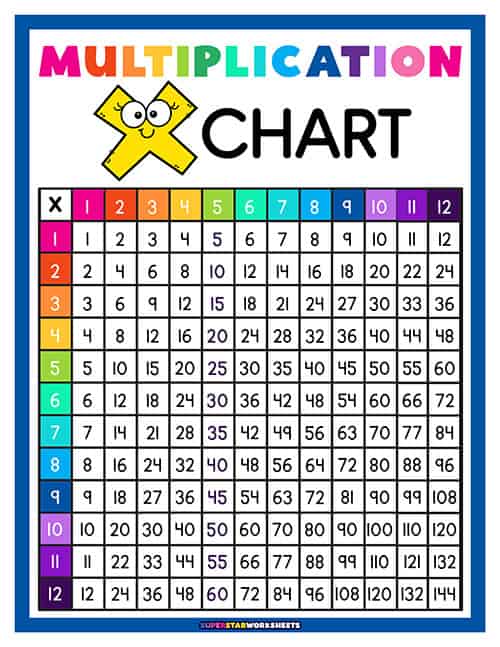
Unlocking Multiplication Mastery
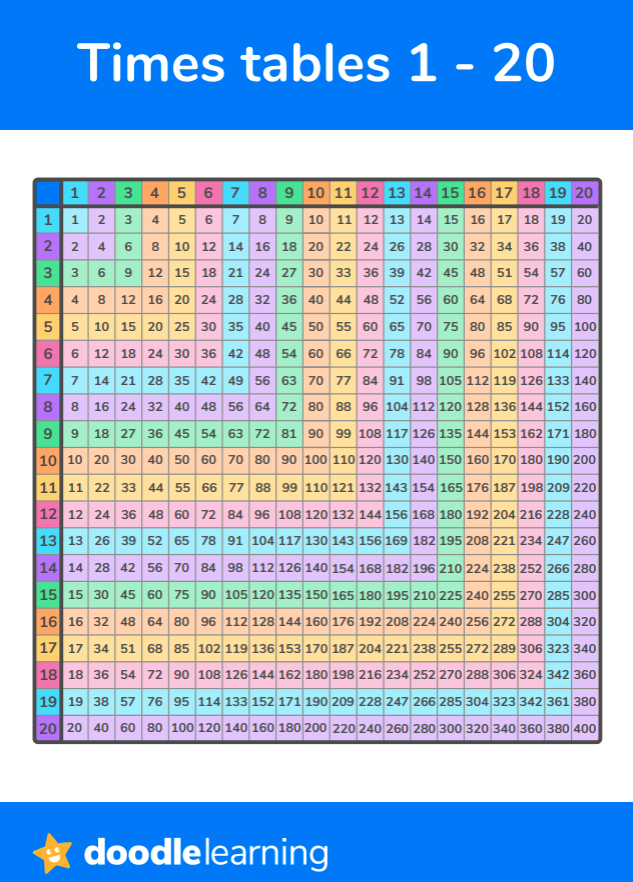
The key to unlocking multiplication mastery lies in consistent practice and reinforcement, using tools like the 14 Times Table Chart to build confidence and fluency.
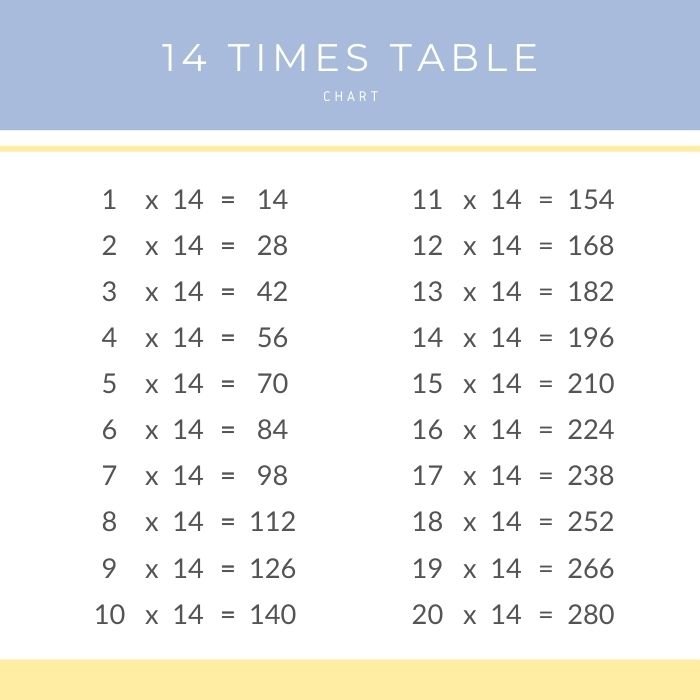
Child development experts agree that consistent practice and reinforcement are essential for building confidence and fluency in multiplication facts. The 14 Times Table Chart is a valuable resource for achieving this goal, as it provides a visual representation of the multiplication facts and enables learners to track their progress and identify areas for improvement. By incorporating this chart into their practice routine, students can develop a stronger foundation in mathematics and improve their overall academic performance.
Breaking Down the Times Table Chart
A thorough understanding of the times table chart is critical for effective use, requiring learners to recognize patterns and relationships between numbers.
A times table chart is a table that lists the multiplication facts for a given set of numbers, in this case, the 14 times table. To use this chart effectively, learners must be able to recognize patterns and relationships between numbers, such as the fact that multiplying a number by 10 results in a product that is 10 times the original number. By breaking down the chart into smaller sections and focusing on one multiplication fact at a time, learners can develop a deeper understanding of the underlying patterns and relationships.
For example, a student can use the 14 Times Table Chart to practice multiplying 14 by different numbers, starting with the easier facts like 14 x 1 and 14 x 10, and then moving on to more challenging facts like 14 x 6 and 14 x
- As they practice, they can use the chart to track their progress and identify areas where they need more practice.
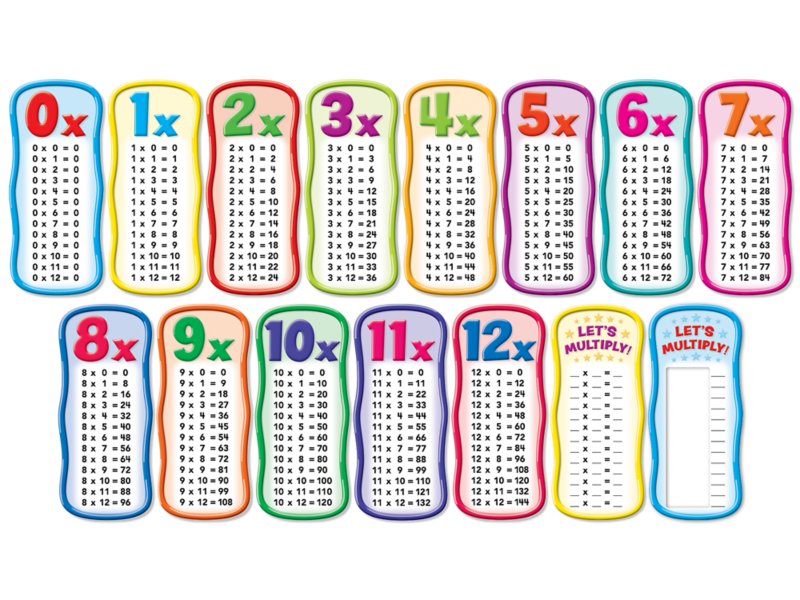
Putting the Chart into Practice
Regular practice with the 14 Times Table Chart can help learners develop fluency and confidence in their multiplication facts, setting them up for success in more advanced mathematical concepts.
To get the most out of the 14 Times Table Chart, learners should practice regularly, using the chart to reinforce their understanding of the multiplication facts. This can be done through a variety of activities, such as tracing or copying the multiplication facts, or using the chart to play games and complete exercises. For instance, a parent can use the chart to create a game where their child has to multiply 14 by a certain number, and then check their answer using the chart.
📌 Quick Home Hack: Create a multiplication scavenger hunt around the house, where learners have to find objects that represent different multiplication facts, such as 14 x 3, and then use the chart to check their answers.
Making it Fun and Engaging
Games and activities can make learning times tables a fun and engaging experience, helping learners stay motivated and focused on their goals.
Making learning fun and engaging is critical for maintaining motivation and focus, particularly when it comes to practicing times tables. Games and activities, such as multiplication wars or times table bingo, can help learners stay engaged and motivated, while also providing an opportunity to practice and reinforce their understanding of the multiplication facts. For example, a teacher can create a game where students have to roll dice and multiply the numbers together, using the 14 Times Table Chart to check their answers.
Classroom Tips and Tricks
Teachers can use a variety of strategies to support learners in the classroom, including providing extra practice, offering one-on-one support, and using technology to reinforce learning.
In the classroom, teachers can use a variety of strategies to support learners, including providing extra practice, offering one-on-one support, and using technology to reinforce learning. For instance, a teacher can use online resources, such as interactive times table games, to provide learners with additional practice and reinforcement outside of the classroom.
Inclusive Learning and Differentiation
Building Confidence Before Accuracy
Learners who are anxious or struggling with times tables can benefit from a focus on effort and progress, rather than just accuracy, helping to build confidence and a growth mindset.
For learners who are anxious or struggling with times tables, it is essential to focus on effort and progress, rather than just accuracy. By providing a supportive and encouraging environment, teachers can help learners build confidence and develop a growth mindset, which is critical for success in mathematics. This can involve providing opportunities for learners to practice and reinforce their understanding of the multiplication facts, without fear of failure or judgment.
Going Deeper for Children Ready for More
Learners who are confident and accurate in their times tables can benefit from more challenging activities, such as applying multiplication facts to real-world problems, helping to develop a deeper understanding of mathematical concepts.
For learners who are confident and accurate in their times tables, it is essential to provide more challenging activities that can help develop a deeper understanding of mathematical concepts. This can involve applying multiplication facts to real-world problems, such as calculating the cost of items or measuring the area of a room. By providing opportunities for learners to apply their knowledge in meaningful ways, teachers can help them develop a more nuanced understanding of mathematics and prepare them for success in more advanced mathematical concepts.
Frequently Asked Questions
Q: How often should learners practice their times tables?
A: Learners should practice their times tables regularly, ideally 2-3 times a week, to develop fluency and confidence in their multiplication facts.
Q: What are some common challenges learners face when practicing times tables?
A: Common challenges learners face when practicing times tables include difficulty remembering multiplication facts, struggling with mental math, and lacking confidence in their abilities.
Q: How can teachers support learners who are struggling with times tables?
A: Teachers can support learners who are struggling with times tables by providing extra practice, offering one-on-one support, and using technology to reinforce learning.
Q: What are some ways to make learning times tables fun and engaging?
A: Ways to make learning times tables fun and engaging include playing games, such as multiplication wars or times table bingo, and using real-world applications to make learning more meaningful and relevant.
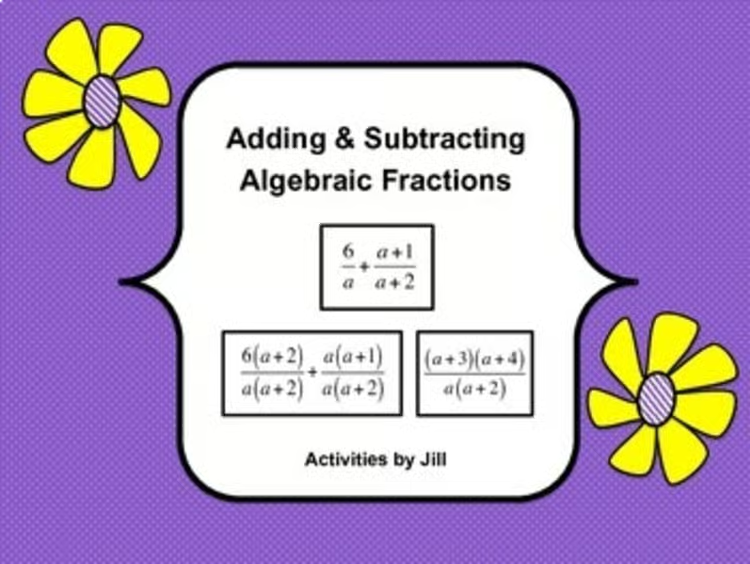
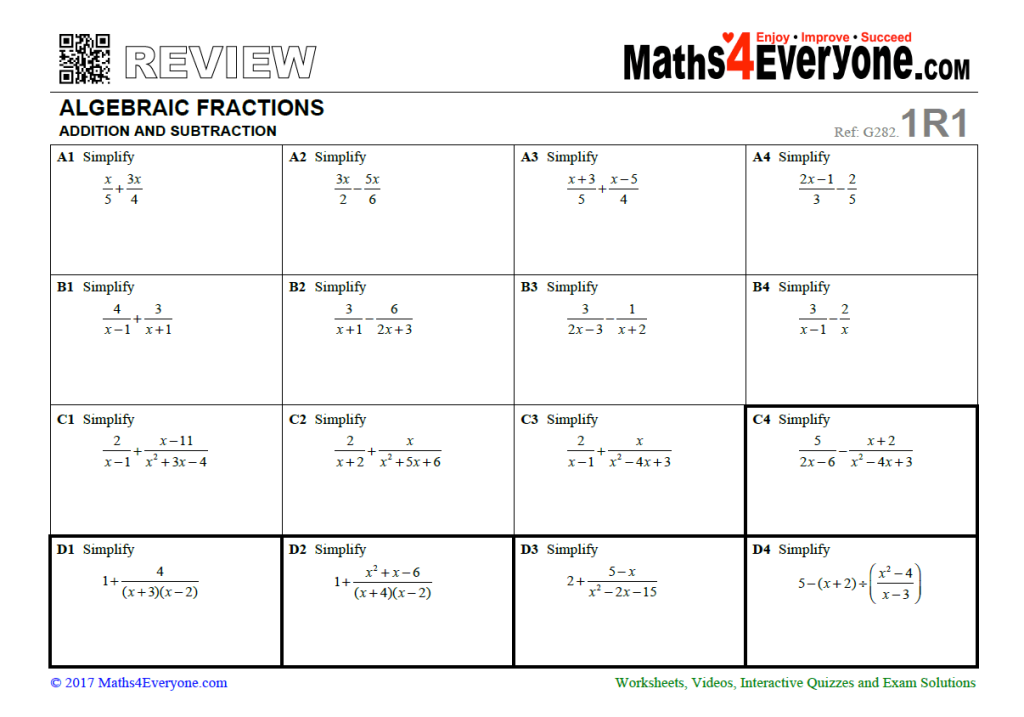
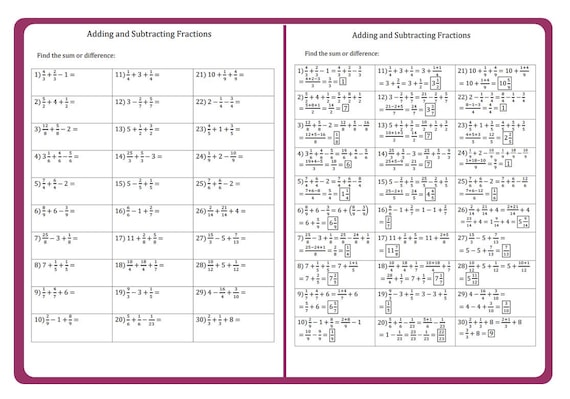
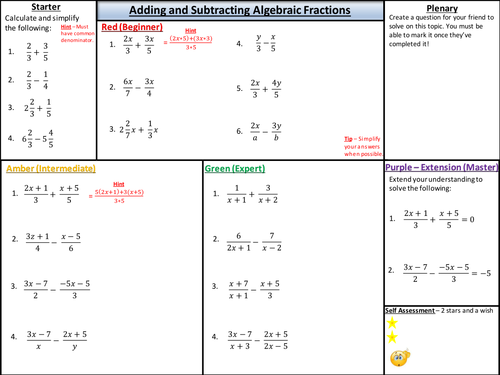
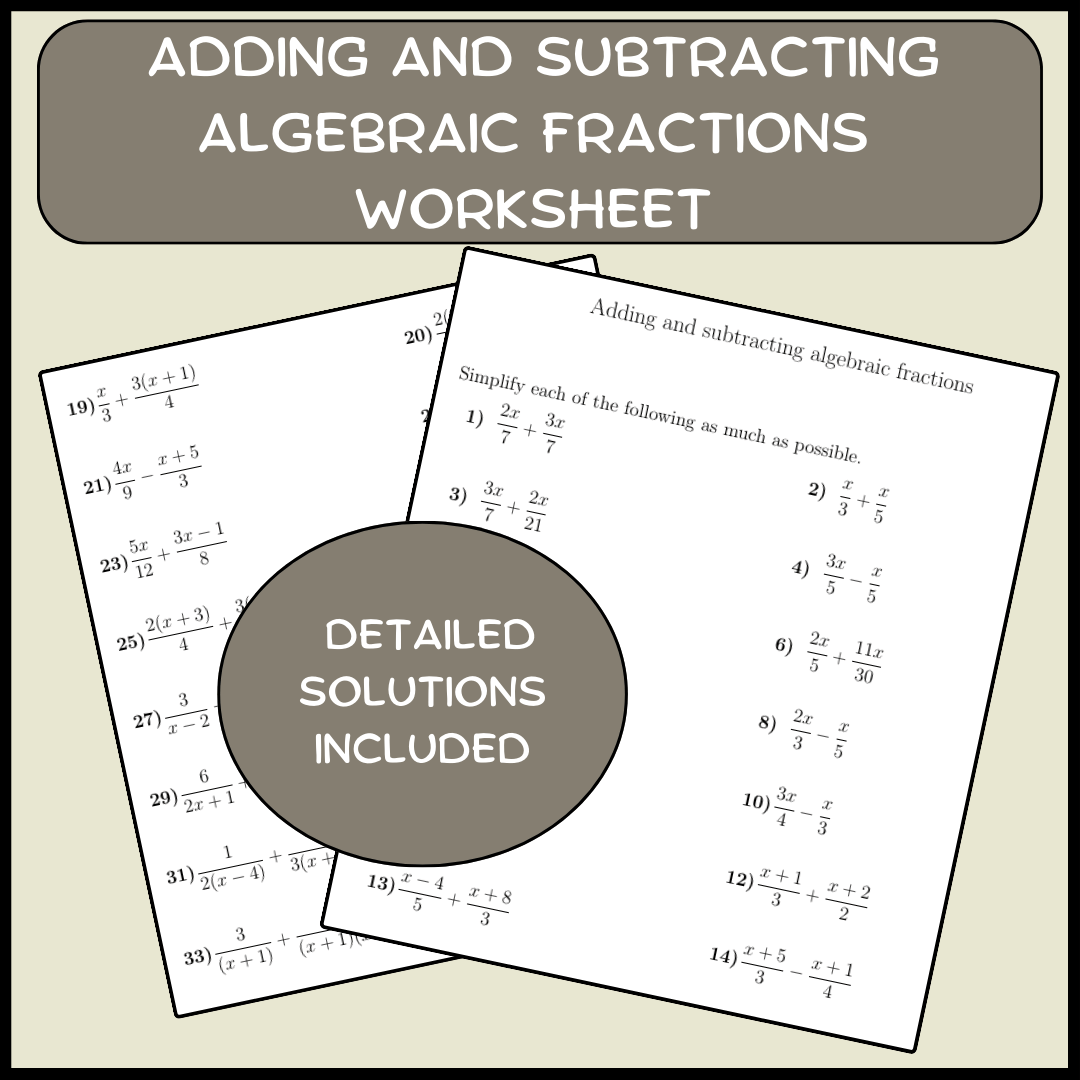
To take your learning to the next level, consider exploring other educational resources, such as Algebraic Fractions Addition And Subtraction Worksheet or Fancy Ways To Write Cursive Letters, which can provide additional practice and reinforcement in different areas of mathematics. You can also find more worksheets and activities at Free printable worksheets and activities for kids, or explore comprehensive learning guides like Comprehensive Preschool Worksheets & Learning Guide.
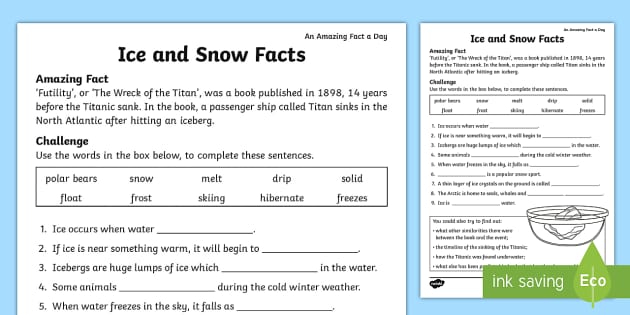
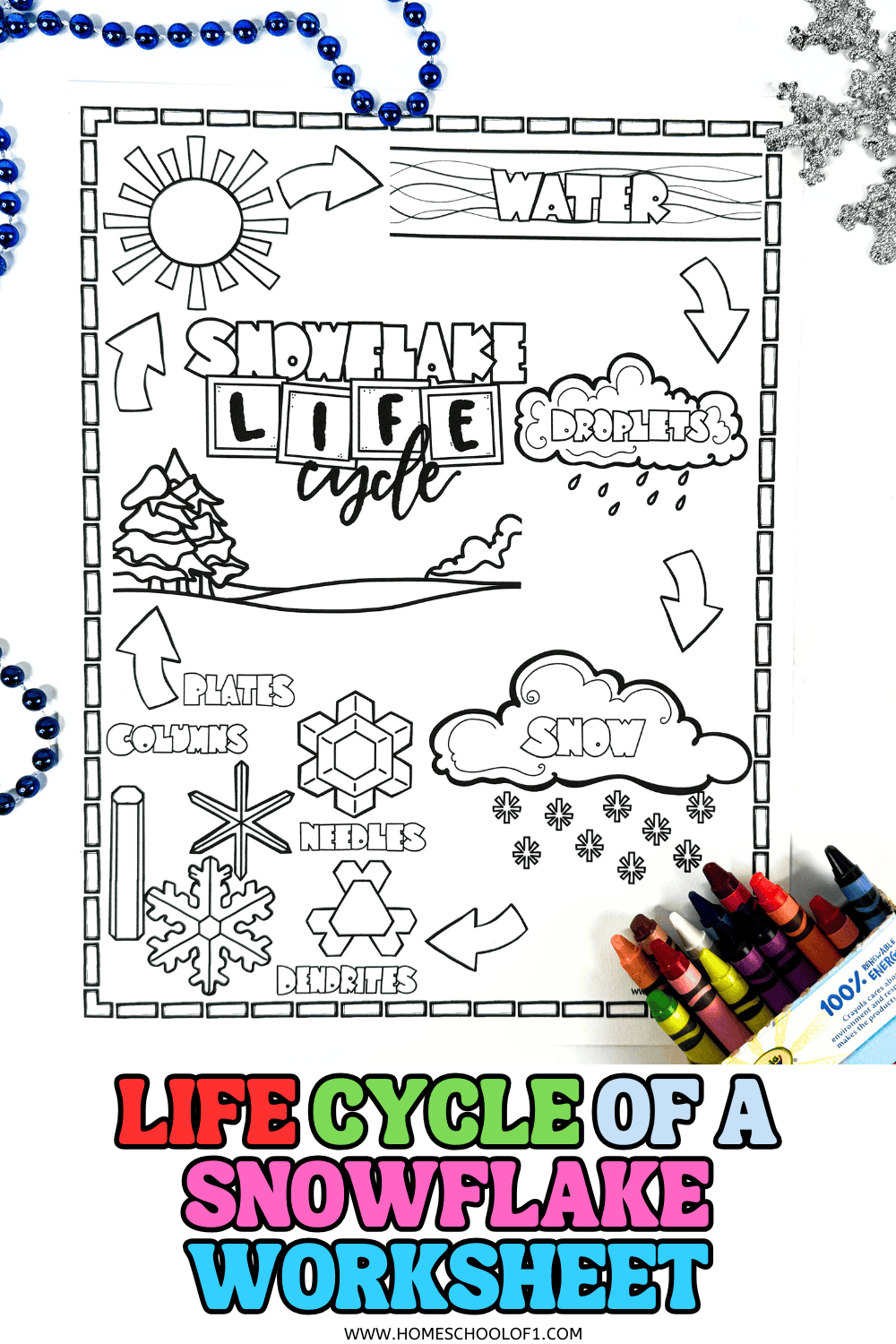
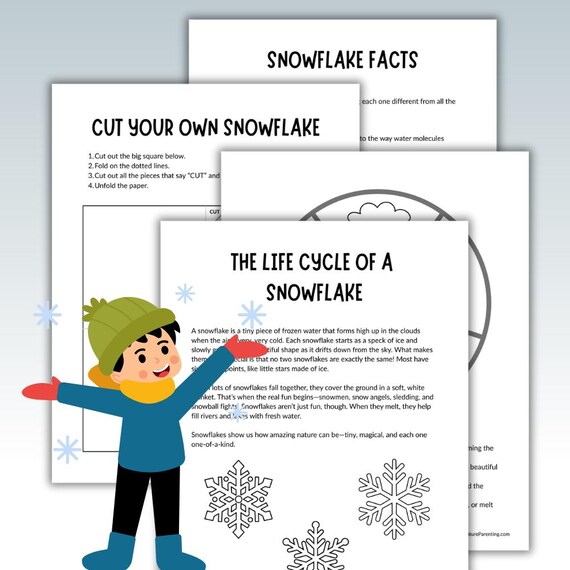
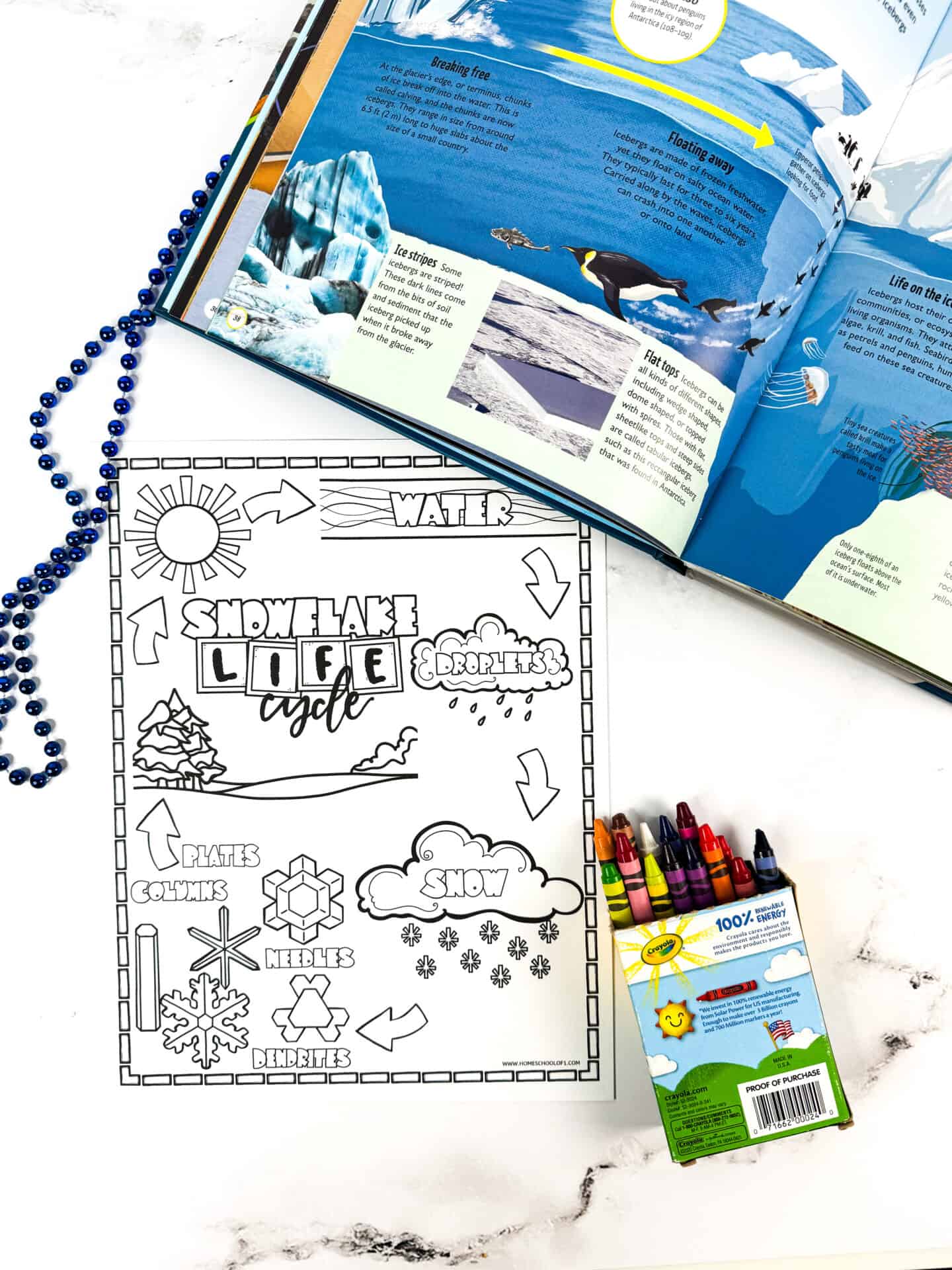
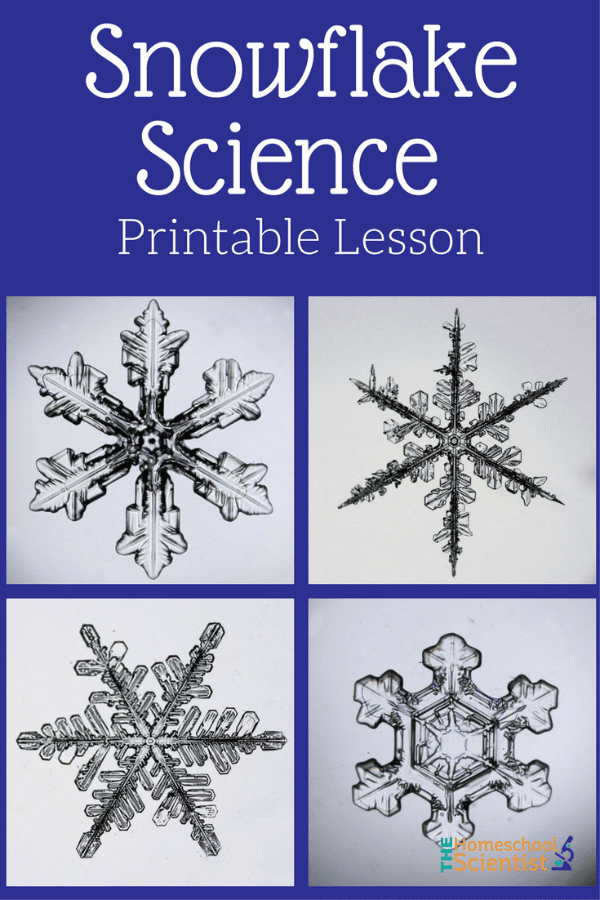
For a fun and interactive learning experience, try Snow Science Worksheet PDF, which can help make learning more engaging and enjoyable.
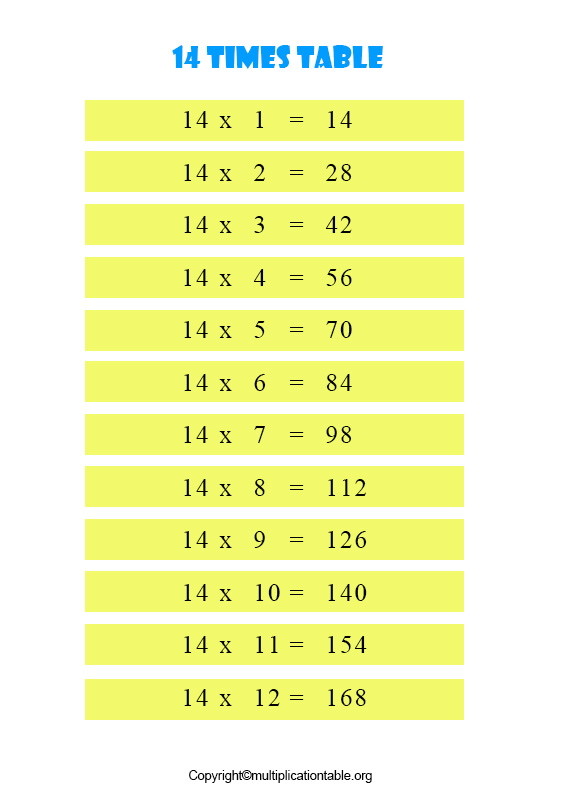
Over the next 7 days, commit to practicing the 14 Times Table Chart with your child or student for 10-15 minutes each day. Start by reviewing the multiplication facts together, and then use the chart to practice and reinforce their understanding. As they progress, you can gradually increase the difficulty level and introduce more challenging activities, such as applying multiplication facts to real-world problems.

By the end of the week, your child or student should have developed a stronger foundation in times tables and improved their overall confidence and fluency in mathematics.
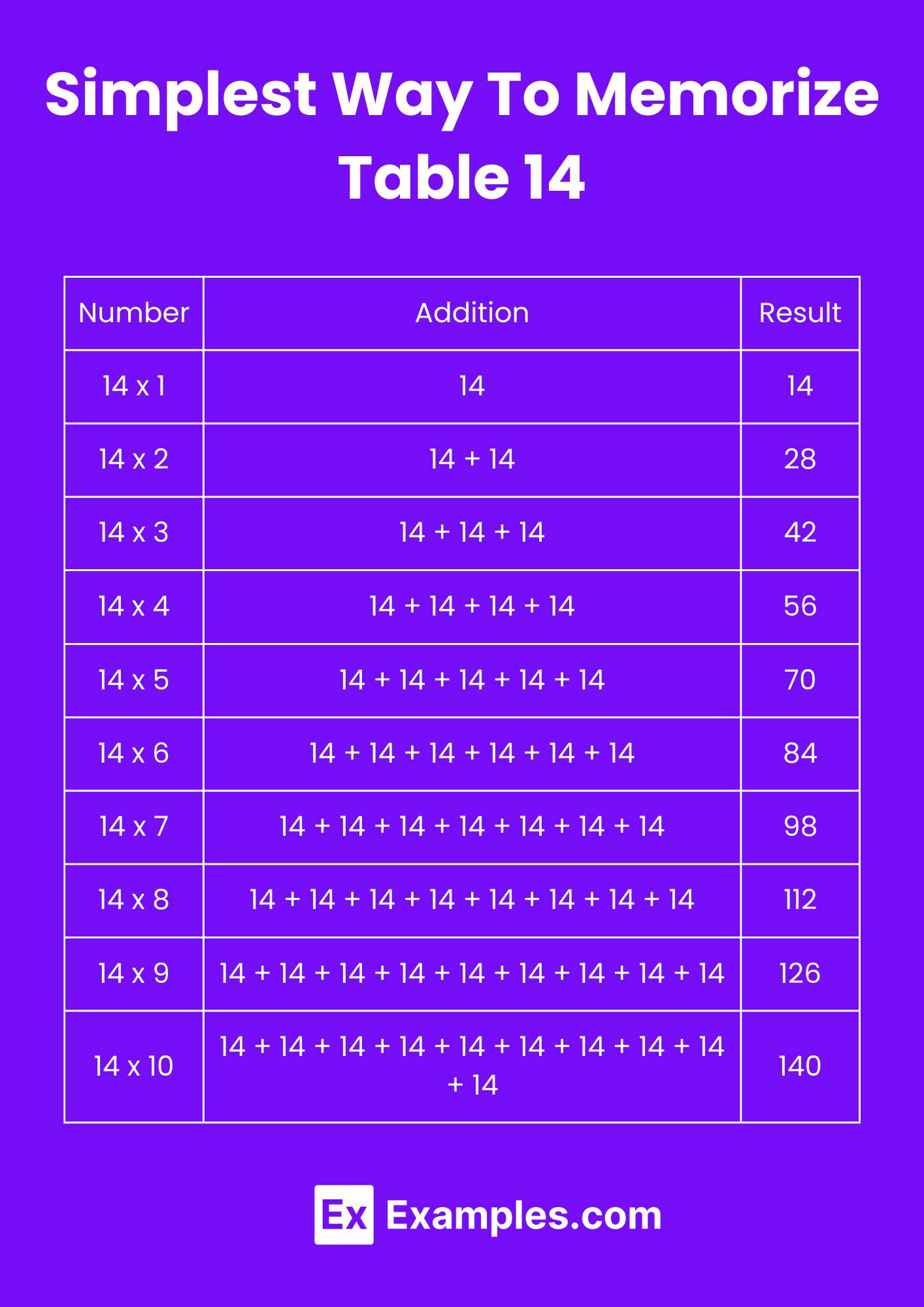
By following these tips and strategies, you can help your child or student develop a deep understanding of times tables and improve their overall academic performance. Remember, consistent practice and reinforcement are key, so be sure to make learning fun and engaging, and provide opportunities for learners to apply their knowledge in meaningful ways.
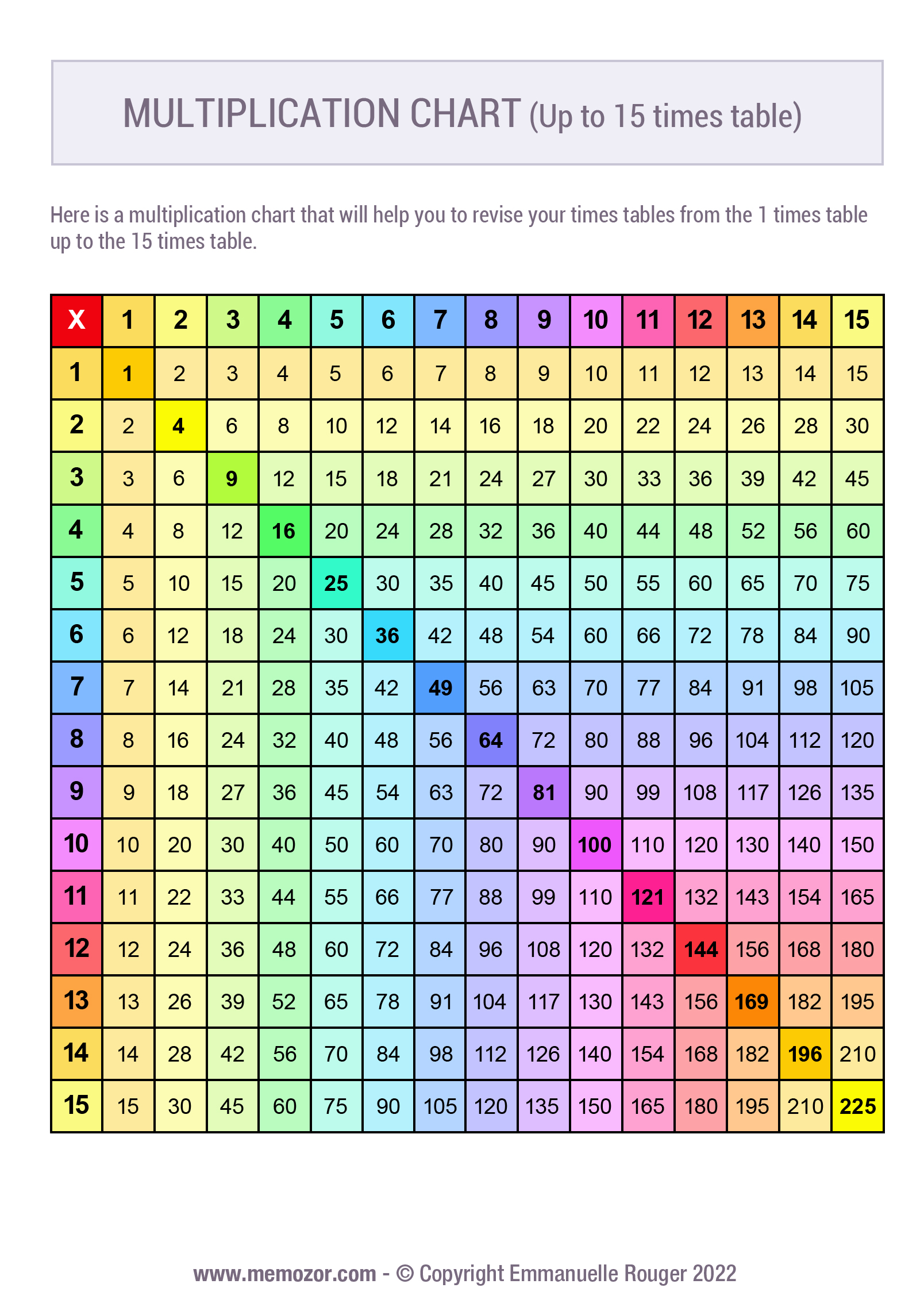
With patience, persistence, and the right resources, your child or student can master the 14 Times Table Chart and develop a strong foundation in mathematics that will serve them well throughout their academic career.