
When evaluating learning materials for cursive letter writing, it’s essential to look for practice sheets that are genuinely effective, rather than confusing busywork. A clean layout, clear visual cues, and appropriate repetition are crucial elements of a well-designed worksheet. Research consistently shows that children learn best when they are engaged and motivated, so it’s vital to choose materials that make learning fun and interactive.
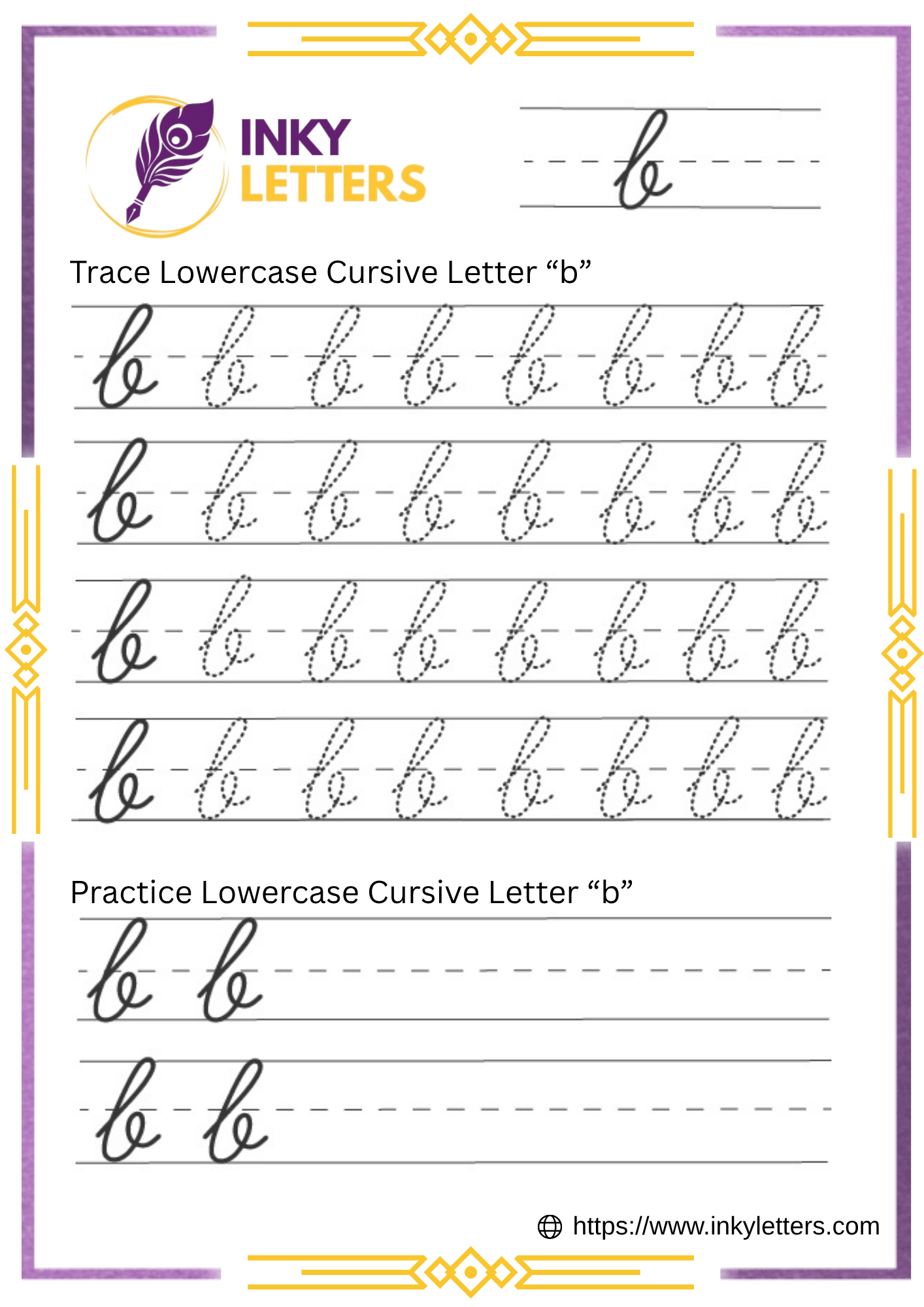
You might be wondering what makes a practice sheet effective for teaching cursive letters. The answer lies in its ability to provide a clear and structured approach to learning, with plenty of opportunities for practice and reinforcement. Child development experts agree that children need to develop their fine motor skills and hand-eye coordination to write cursive letters successfully.

Studies on early literacy have found that cursive writing can improve children’s reading and writing skills, as well as their overall academic performance. As a parent or teacher, you want to provide your child with the best possible resources to help them learn and succeed.

That’s why it’s essential to choose worksheets that are designed with the child’s needs in mind, taking into account their age, skill level, and learning style. For example, a worksheet that includes tracing exercises, word writing, and sentence writing can help children develop their cursive writing skills in a gradual and structured way.
You can find many such worksheets online, including the Complete Kindergarten Curriculum & Printable Hub, which offers a wide range of printable resources for teaching cursive letters.
How to Introduce Cursive Letters Without Overwhelm
Introducing cursive letters to your child can be a daunting task, especially if they are new to writing. However, with the right approach, you can make the learning process fun and engaging. Here are some steps to follow:
- Start with the basics: Begin by teaching your child the correct grip, posture, and hand positioning for writing. 2.

Use visual aids: Show your child examples of cursive letters and demonstrate how to write them.
- Practice, practice, practice: Provide your child with plenty of opportunities to practice writing cursive letters, starting with simple letters and gradually moving on to more complex ones.
- Make it fun: Incorporate games and activities into the learning process to keep your child engaged and motivated.

How to Develop Fine Motor Skills for Cursive Writing
Developing fine motor skills is essential for cursive writing, as it requires precise movements and coordination. Here are some tips to help your child develop their fine motor skills:
- Use playdough: Playdough is an excellent tool for developing fine motor skills, as it requires children to use their hands and fingers to manipulate and shape the dough.
Practice with puzzles: Puzzles are another great way to develop fine motor skills, as they require children to use their hands and fingers to manipulate and fit pieces together.
- Use crayons and markers: Encourage your child to use crayons and markers to draw and color, as this can help develop their hand-eye coordination and fine motor skills.
How to Create a Cursive Writing Routine
Creating a cursive writing routine can help your child develop a consistent practice habit and improve their writing skills. Here are some steps to follow:
- Set aside dedicated time: Allocate a specific time each day for cursive writing practice, such as 10-15 minutes.
- Use a variety of materials: Incorporate different materials into the routine, such as worksheets, tracing papers, and writing prompts.
Make it engaging: Incorporate games, challenges, and rewards into the routine to keep your child motivated and engaged.
How to Adapt Cursive Writing for Different Learning Styles
Every child learns differently, and it’s essential to adapt cursive writing instruction to meet their individual needs. Here are some tips:
- Visual learners: Use visual aids such as videos, diagrams, and charts to demonstrate cursive writing.
- Kinesthetic learners: Incorporate hands-on activities such as playdough, puzzles, and tracing exercises to help children develop their fine motor skills. 3.

Auditory learners: Use audio recordings or verbal instructions to guide children through the writing process.
How to Make Cursive Writing Fun and Engaging
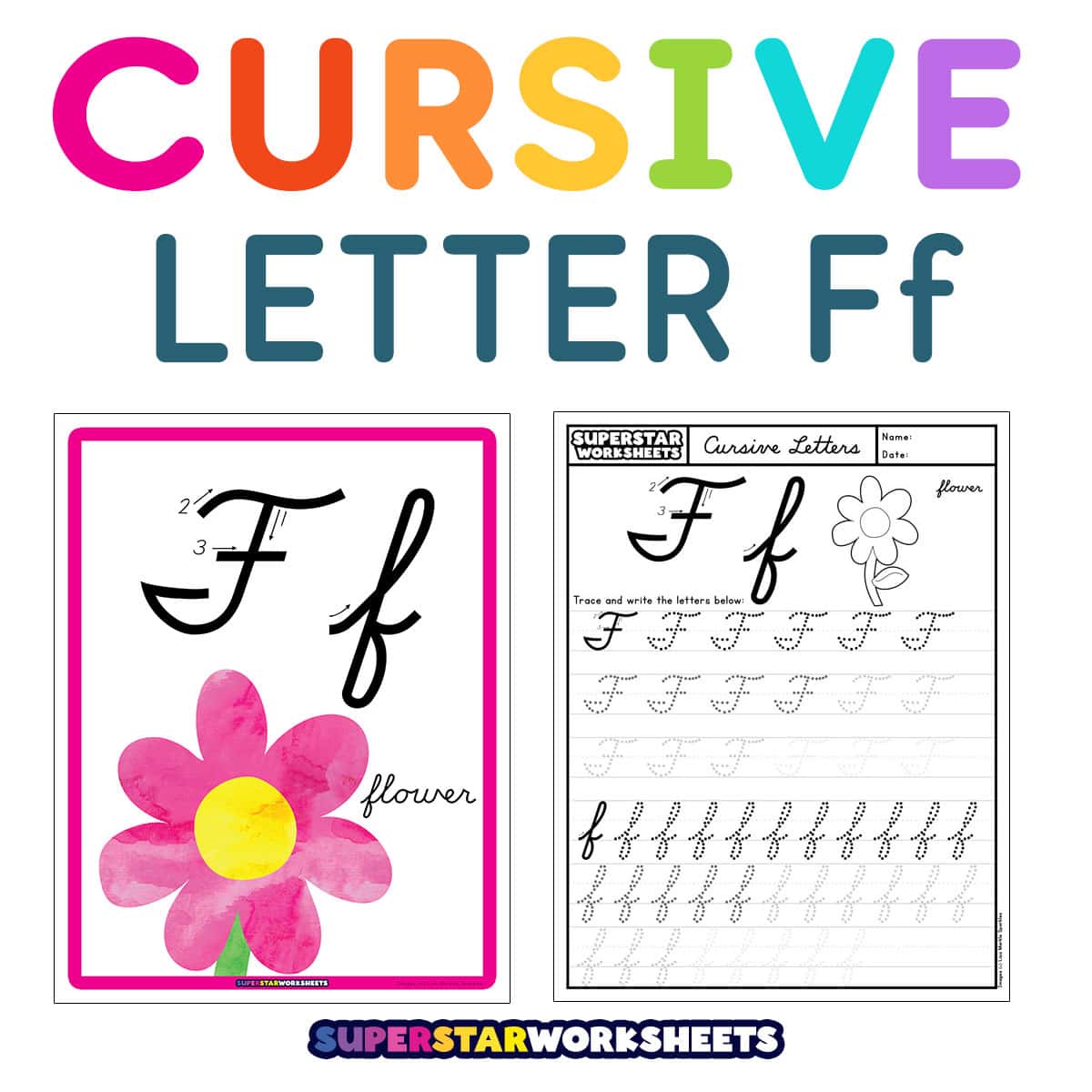
Making cursive writing fun and engaging can help motivate your child to practice and improve their skills. Here are some ideas:
- Create a treasure hunt: Hide cursive writing worksheets or tracing papers around the house or classroom and have your child find and complete them.
- Play games: Incorporate games such as “Cursive Writing Bingo” or “Cursive Writing Scavenger Hunt” into the learning process.
Use rewards: Offer rewards or incentives for completing cursive writing tasks or achieving certain milestones.
How to Overcome Common Challenges in Cursive Writing
Overcoming common challenges in cursive writing can be frustrating, but with the right strategies, your child can succeed. Here are some tips:
- Practice regularly: Consistent practice can help your child develop muscle memory and improve their writing skills.
- Break it down: Break down complex letters or words into smaller parts and practice each component separately. 3.
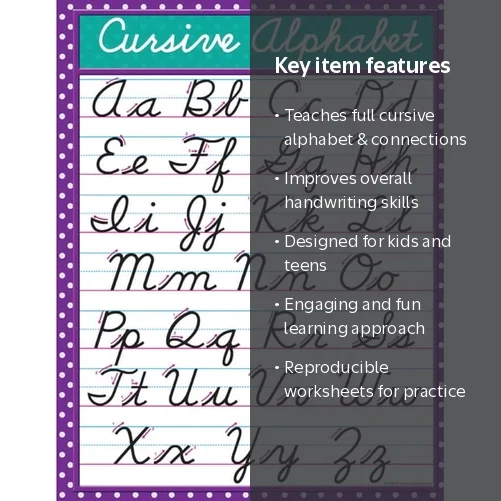
Seek help: If your child is struggling with cursive writing, consider seeking help from a tutor or occupational therapist.
⚠️ Common Pitfall to Avoid: One common pitfall to avoid is pushing your child too hard, too fast. Cursive writing requires patience, practice, and dedication, so it’s essential to pace the learning process and provide plenty of support and encouragement.
How to Extend Cursive Writing Beyond the Basics
Once your child has mastered the basics of cursive writing, it’s time to extend their skills and challenge them to try new things. Here are some ideas:
- Creative writing: Encourage your child to use cursive writing to create stories, poems, or journal entries.
- Art projects: Incorporate cursive writing into art projects, such as drawing or painting, to add an extra layer of creativity.
Practical applications: Use cursive writing in practical applications, such as writing thank-you notes or signing documents.
How to Support Children with Different Abilities

cursive alphabet Fancy Ways To Write Cursive Supporting children with different abilities requires adaptability, patience, and creativity. Here are some tips:
- Use assistive technology: Consider using assistive technology, such as handwriting apps or adaptive tools, to support children with physical or cognitive disabilities.
- Modify materials: Modify worksheets or materials to meet the individual needs of each child, such as using larger print or providing extra support.
Provide extra support: Offer extra support and encouragement to children who need it, such as one-on-one instruction or small group lessons.
Building Confidence Before Accuracy
Building confidence is essential before focusing on accuracy in cursive writing. Here are some strategies to help your child build confidence:
- Focus on effort: Praise your child for their effort and persistence, rather than just their accuracy.
- Celebrate small wins: Celebrate small victories, such as completing a difficult letter or word, to help build momentum and motivation.
Provide verbal encouragement: Offer verbal encouragement and support to help your child feel more confident and motivated.
Going Deeper for Children Ready for More
For children who are ready for more, it’s time to challenge them and push their skills to the next level. Here are some ideas:
- Creative applications: Encourage your child to apply cursive writing in creative ways, such as writing stories or creating art projects.
- Advanced techniques: Teach your child advanced techniques, such as flourishes or decorative lettering, to add an extra layer of sophistication.
Real-world applications: Use cursive writing in real-world applications, such as writing letters or signing documents, to help your child see the practical value of their skills.

Community Questions & Answers
Q: What is the best way to introduce cursive writing to my child?
A: The best way to introduce cursive writing to your child is to start with the basics, such as teaching the correct grip, posture, and hand positioning, and then gradually introducing simple letters and words.
Q: How can I make cursive writing more engaging for my child?
A: You can make cursive writing more engaging for your child by incorporating games, challenges, and rewards into the learning process, as well as using a variety of materials and activities to keep things interesting.
Q: What if my child is struggling with cursive writing?
A: If your child is struggling with cursive writing, it’s essential to be patient and provide extra support and encouragement. Consider breaking down complex letters or words into smaller parts, practicing regularly, and seeking help from a tutor or occupational therapist if needed.
As you embark on the journey of teaching your child cursive writing, remember that it’s a process that requires patience, dedication, and creativity. By providing a supportive and engaging learning environment, you can help your child develop the skills and confidence they need to succeed.
Whether you’re a parent or teacher, you play a vital role in shaping your child’s educational journey, and with the right approach, you can help them achieve their full potential.
In the end, teaching cursive writing is not just about imparting a skill, but about fostering a love of learning and a sense of accomplishment in your child. By making the learning process fun and engaging, you can help your child develop a positive attitude towards writing and a lifelong love of learning.
So, don’t be afraid to get creative, think outside the box, and make learning cursive writing an enjoyable and rewarding experience for your child. You can find more resources and tips on the PBS Learning Resources for Parents website, which offers a wide range of educational materials and activities for children.
Leave a Reply Cancel reply