
When practicing the identification of respiratory system parts, one common mistake children make is confusing the trachea with the esophagus. This can be quickly spotted and fixed by using visual aids and anatomical diagrams that highlight the distinct paths of air and food. As an educator, I have seen this mistake numerous times, and a simple correction can make a significant difference in a child’s understanding of the respiratory process.
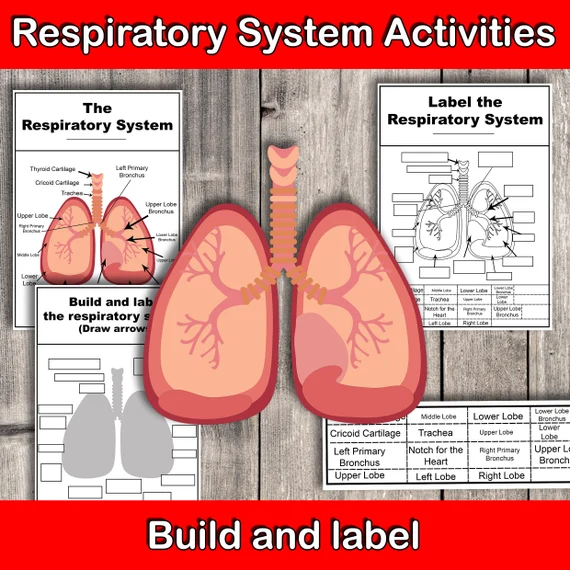
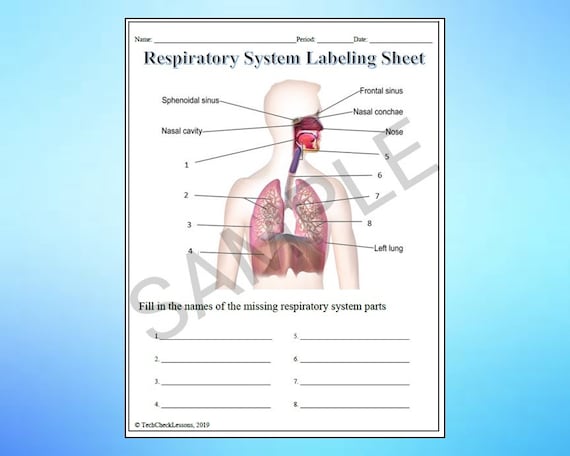
The importance of accurately identifying the parts of the respiratory system cannot be overstated. A parent recently told me that their child was struggling to understand how the lungs functioned in relation to the diaphragm. By using a worksheet that included interactive diagrams and labeling exercises, the child was able to grasp the concept and develop a deeper understanding of the respiratory system.

This experience highlights the need for engaging educational materials that cater to different learning styles and abilities.
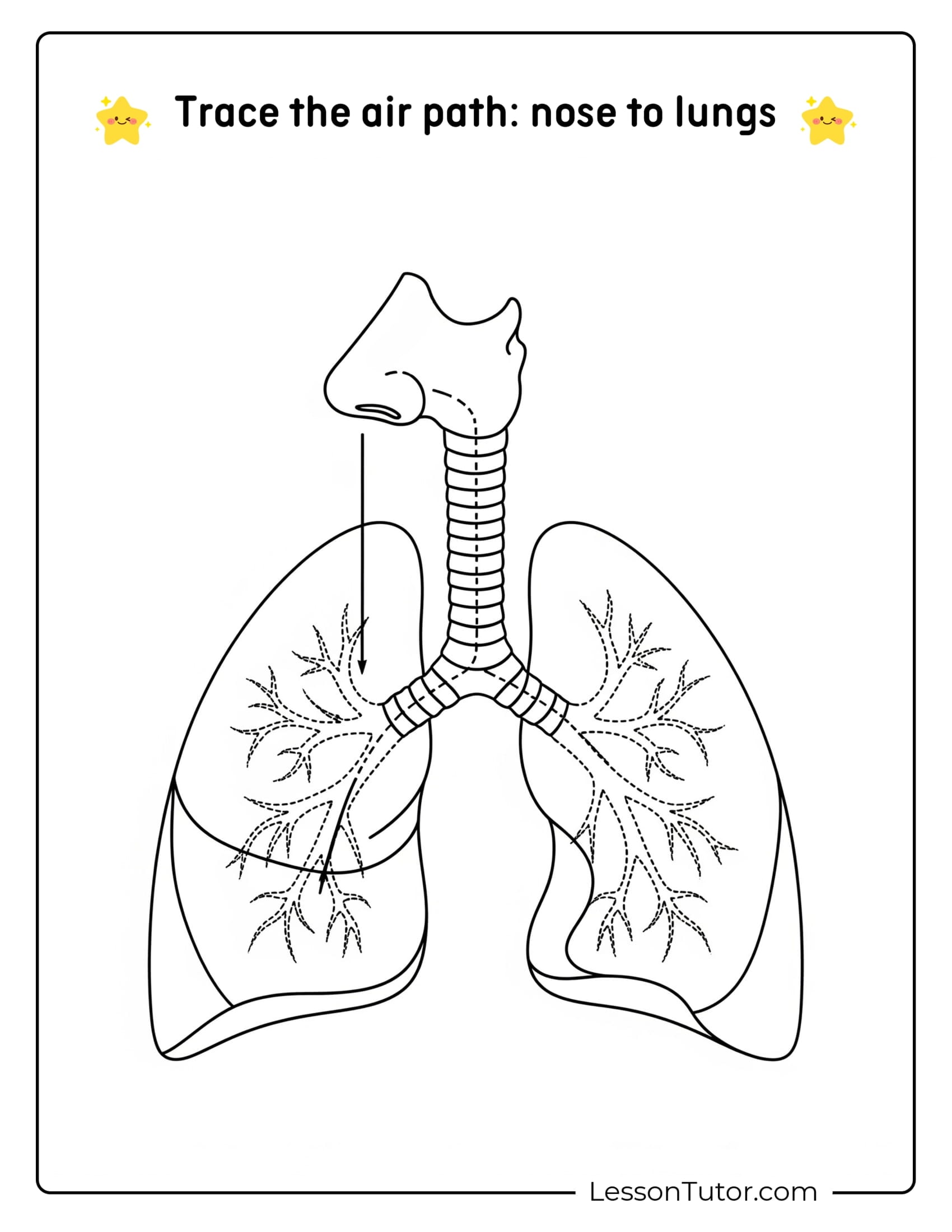
What Makes This Worksheet Different From Generic Practice Sheets?
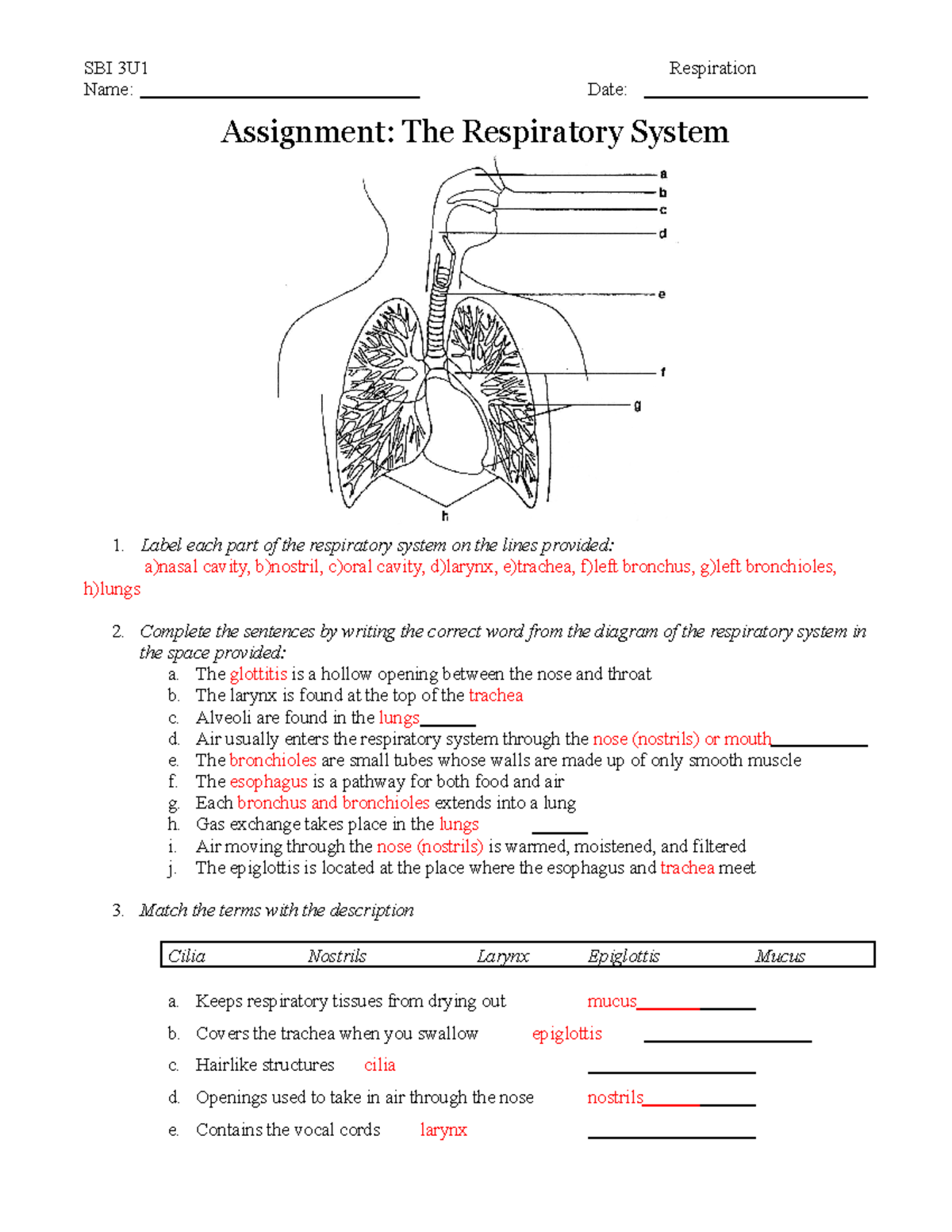
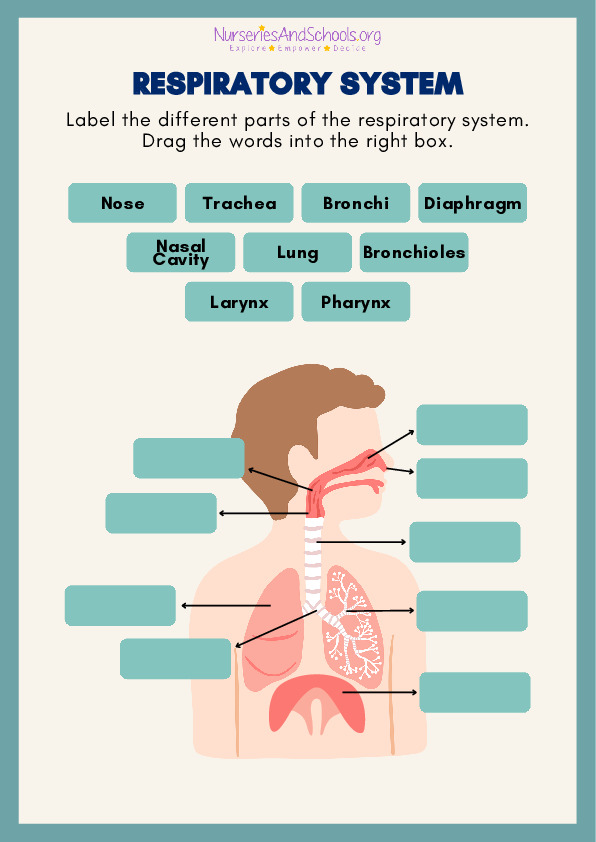
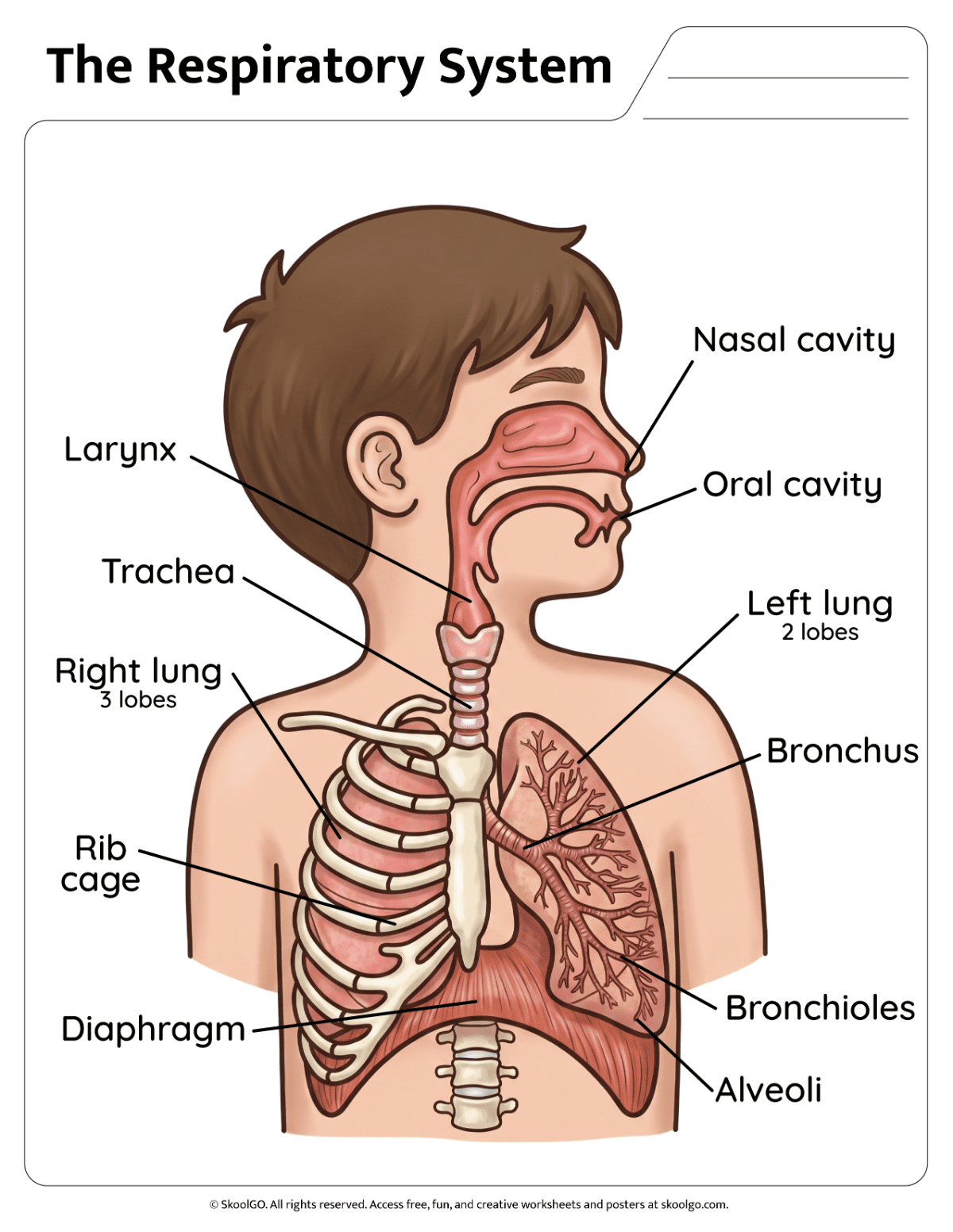
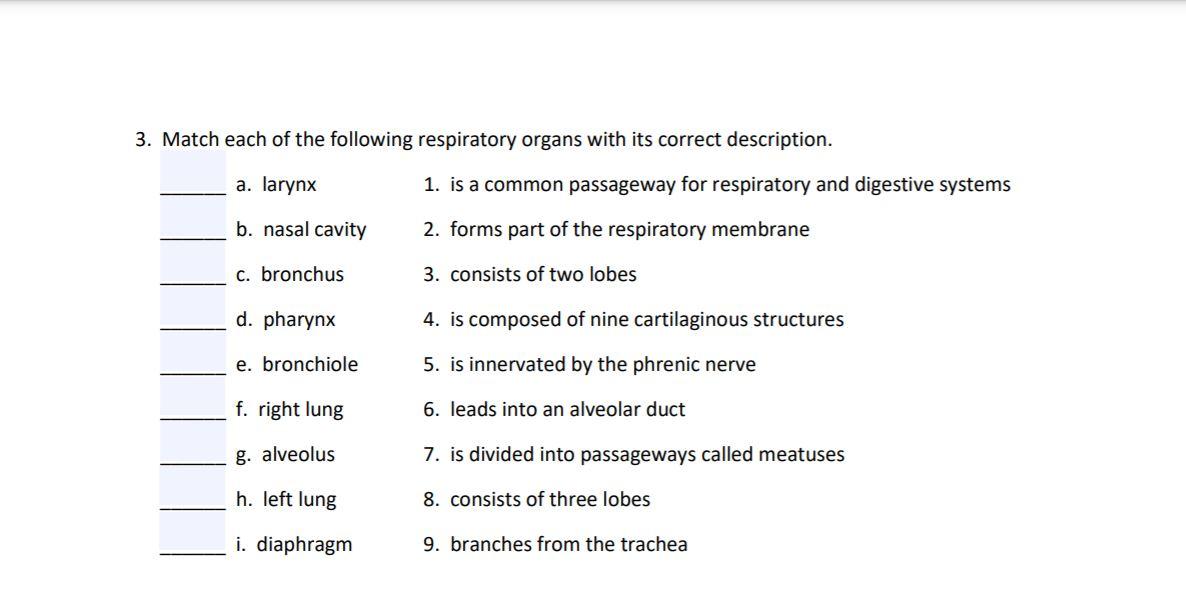
A key aspect of this Parts Of The Respiratory System Worksheet is its ability to scaffold learning by providing a gradual increase in difficulty and complexity. This allows children to build upon their existing knowledge and develop a more comprehensive understanding of the respiratory system. By incorporating visual aids and anatomical diagrams, the worksheet helps children to identify and label the different parts of the respiratory system, including the nose, mouth, trachea, bronchi, and lungs.
🎯 Developmental Milestone Check: A child who can accurately identify and label the different parts of the respiratory system, including the diaphragm and ribcage, is demonstrating a strong understanding of the respiratory process and is likely to excel in science and health classes.
How Do You Keep a Child Engaged for 15 Minutes?
To keep a child engaged, it is essential to make the learning experience fun and interactive. This can be achieved by incorporating games, quizzes, and hands-on activities into the learning process. For example, a parent can use the Parts Of The Respiratory System Worksheet as a scavenger hunt, where the child has to find and label the different parts of the respiratory system in a diagram. This approach helps to develop a child’s critical thinking and problem-solving skills, while also making the learning experience more enjoyable.
What Are the Educational Standards and Goals for This Worksheet?
The Parts Of The Respiratory System Worksheet is designed to meet the educational standards and goals for science and health classes. The worksheet aims to develop a child’s understanding of the respiratory system and its functions, as well as their ability to identify and label the different parts of the system. By achieving these goals, children will be well-prepared for more advanced science and health classes, and will have a solid foundation for understanding the human body and its functions.
Q: How often should I use this worksheet with my child?
A: It is recommended to use the Parts Of The Respiratory System Worksheet at least once a week, as part of a regular science or health class. This will help to reinforce a child’s understanding of the respiratory system and ensure that they are meeting the educational standards and goals.
Q: Can I adapt this worksheet for children with different learning abilities?
A: Yes, the Parts Of The Respiratory System Worksheet can be adapted for children with different learning abilities. For example, a parent can use visual aids and anatomical diagrams to help children who are visually oriented, or provide audio descriptions for children who are auditorily oriented.
Q: How can I assess my child’s understanding of the respiratory system?
A: There are several ways to assess a child’s understanding of the respiratory system, including quizzes, tests, and class discussions. A parent can also use the Parts Of The Respiratory System Worksheet as a pre-assessment and post-assessment tool to evaluate a child’s understanding of the respiratory system before and after using the worksheet.
How Do You Use the Worksheet as a Step-by-Step Guide?
To use the Parts Of The Respiratory System Worksheet as a step-by-step guide, a parent can follow these steps: first, introduce the concept of the respiratory system and its functions; second, use the worksheet to help the child identify and label the different parts of the system; third, provide feedback and correction as needed; and finally, assess the child’s understanding of the respiratory system using quizzes, tests, or class discussions.
What Hands-On Extension Activities Can I Use to Reinforce Learning?
There are several hands-on extension activities that can be used to reinforce learning, including models, diagrams, and simulations. For example, a parent can use a model of the respiratory system to help a child understand how the different parts work together, or create a diagram of the respiratory system to help a child identify and label the different parts. Additionally, a parent can use Free printable worksheets and activities for kids to provide a child with a variety of interactive and engaging learning experiences.
What Differentiation Strategies Can I Use to Meet the Needs of All Learners?
To meet the needs of all learners, a parent can use several differentiation strategies, including scaffolding, modification, and accommodation. For example, a parent can use scaffolding to provide temporary support and guidance to a child who is struggling to understand the respiratory system, or use modification to adapt the worksheet to meet the needs of a child with a different learning ability.
Scaffolded Support: A Step-by-Step Path
To provide scaffolded support, a parent can follow these steps: first, introduce the concept of the respiratory system and its functions; second, provide temporary support and guidance as needed; third, gradually increase the difficulty and complexity of the learning activities; and finally, assess the child’s understanding of the respiratory system using quizzes, tests, or class discussions. A parent can also use Snow Science Worksheet PDF to provide a child with a variety of interactive and engaging learning experiences.
Enrichment Path: What Comes Next
To provide an enrichment path, a parent can follow these steps: first, assess the child’s understanding of the respiratory system using quizzes, tests, or class discussions; second, provide more complex and challenging learning activities; third, encourage the child to explore and investigate the respiratory system in more depth; and finally, provide feedback and correction as needed. A parent can also use Free Printable Science Worksheets For 8th Graders to provide a child with a variety of interactive and engaging learning experiences.
As a parent or educator, it is essential to provide children with a comprehensive understanding of the respiratory system and its functions. By using the Parts Of The Respiratory System Worksheet and incorporating hands-on activities, games, and quizzes into the learning process, children will develop a deep understanding of the respiratory system and be well-prepared for more advanced science and health classes.
Additionally, a parent can use Algebraic Fractions Addition And Subtraction Worksheet to provide a child with a variety of interactive and engaging learning experiences. For more information on creating a comprehensive curriculum, visit Complete Kindergarten Curriculum & Printable Hub. By working together, we can provide children with the knowledge and skills they need to succeed in science and health classes, and develop a lifelong love of learning.


Leave a Reply Cancel reply