
The concept of dedicating short, focused practice sessions to learning is rooted in the understanding that children’s attention spans are limited, and their ability to absorb new information is significantly enhanced when the learning process is segmented into manageable chunks. This approach not only helps in retaining information better but also makes the learning experience more enjoyable and less daunting for young learners.
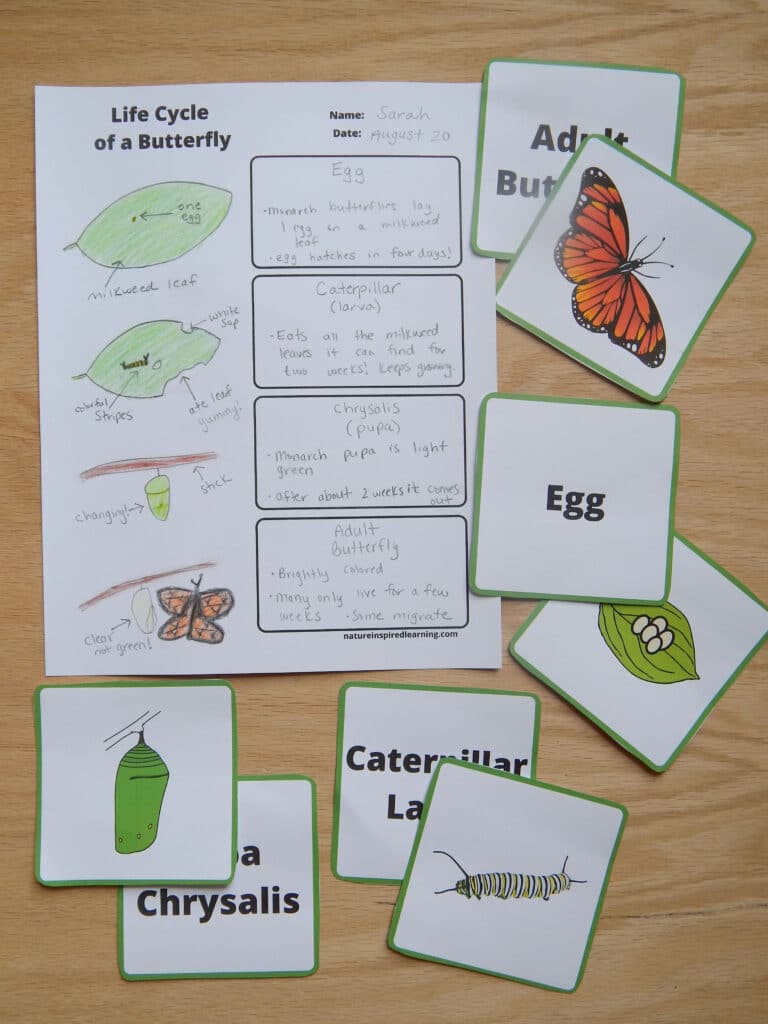
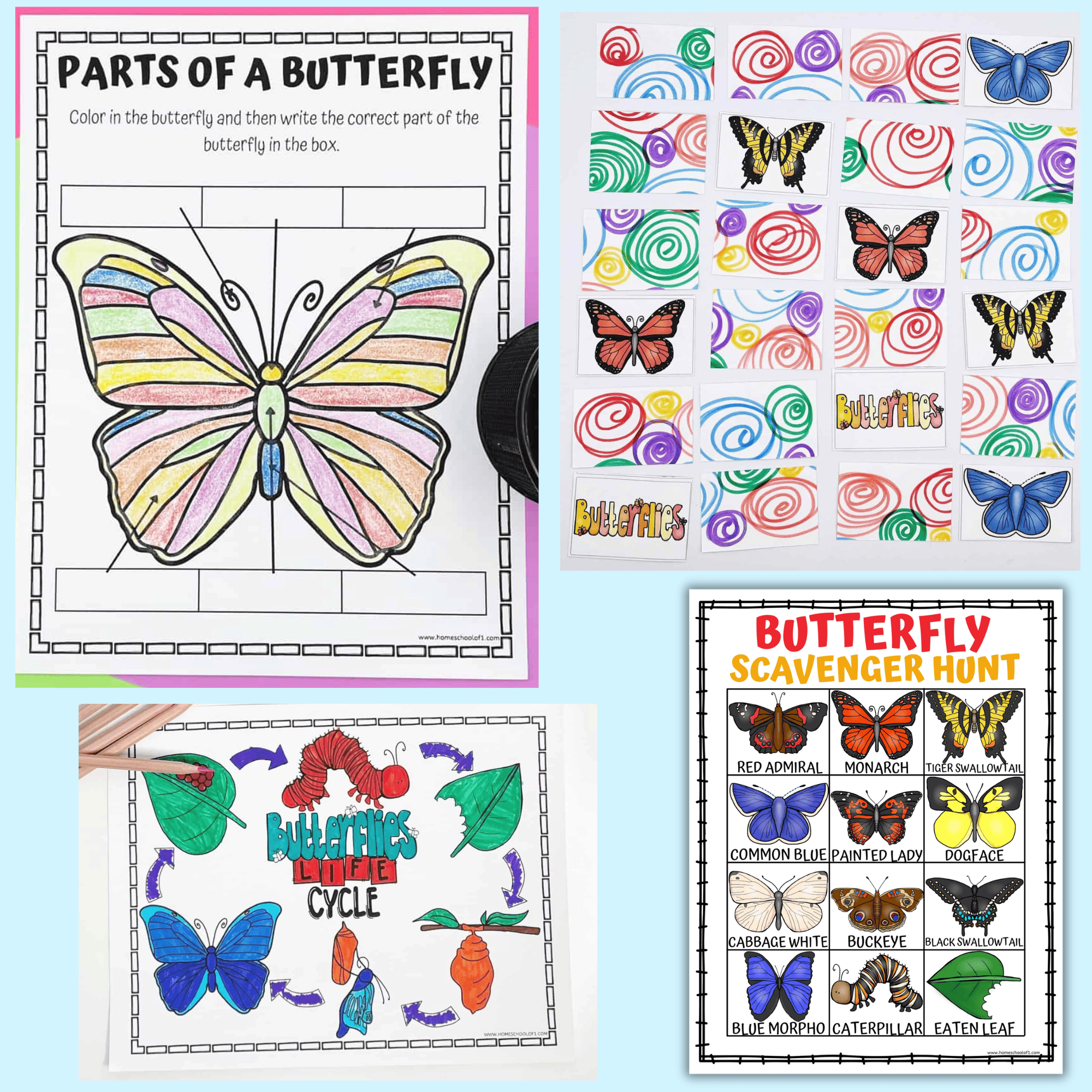
When applying this principle to the study of butterfly parts, using a worksheet such as the Part Of A Butterfly Worksheet can be particularly effective, as it provides a concise and visually engaging way to learn about the different components of a butterfly.
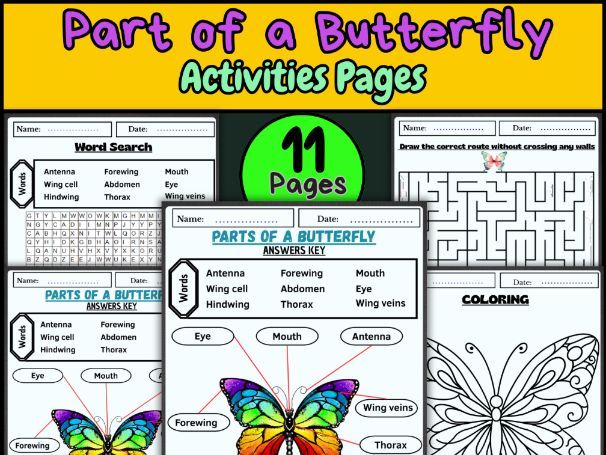
Incorporating worksheets like the Part Of A Butterfly Worksheet into daily or weekly routines can help children develop a consistent learning habit, which is crucial for reinforcing new knowledge and skills. Research consistently shows that regular, short practice sessions lead to better retention and understanding of material than infrequent, lengthy study sessions.

This is especially true for topics that require the memorization of specific terms or the identification of different parts, such as the study of butterfly anatomy. By utilizing worksheets in short, focused practice sessions, parents and educators can provide children with an engaging and effective way to learn about the world around them, including the fascinating world of butterflies.

Understanding Butterfly Anatomy
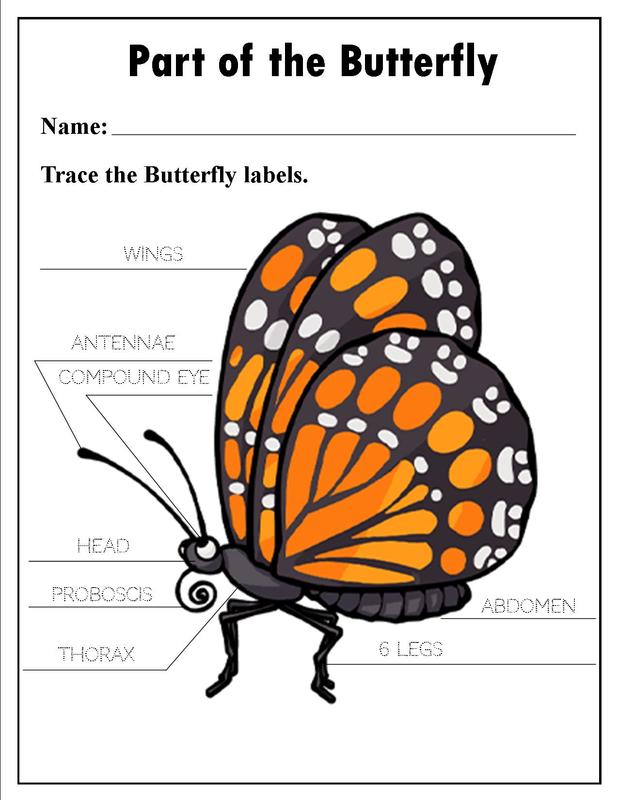
The study of butterfly parts is an integral component of early science education, introducing children to the basics of entomology and the natural world. A butterfly’s body is composed of several distinct parts, including the head, thorax, abdomen, wings, and antennae, each serving a unique function essential to the butterfly’s survival. Understanding these parts not only enhances a child’s knowledge of butterflies but also fosters an appreciation for the intricate details and complexities of nature. Child development experts agree that introducing such concepts at an early age can stimulate curiosity and encourage further exploration of scientific topics.
Breaking Down the Learning Process
To effectively teach children about the parts of a butterfly, it is helpful to break down the learning process into manageable steps. This can include:
- Introducing the basic vocabulary related to butterfly anatomy.
- Using visual aids, such as diagrams or pictures, to illustrate the different parts of a butterfly.
- Engaging children in activities that require them to identify and label the parts of a butterfly, such as completing a worksheet.
- Encouraging children to observe butterflies in their natural habitat, if possible, to reinforce their learning.
Engaging Learning Activities
Beyond traditional worksheets, there are numerous engaging activities that can be used to teach children about the parts of a butterfly. For example, creating a model of a butterfly using different materials to represent its various parts can be a fun and interactive way to learn. Additionally, games that involve matching or sequencing the parts of a butterfly can make the learning process enjoyable and challenging. Studies on early literacy and science education have found that hands-on, interactive learning experiences significantly enhance children’s understanding and retention of new concepts.
Classroom Integration
In a classroom setting, the Part Of A Butterfly Worksheet can be a valuable tool for teaching children about butterfly anatomy. It can be used as a standalone activity or incorporated into a broader unit on insects or the natural world. Teachers can also use the worksheet as a basis for further exploration, such as having children research and write about their favorite types of butterflies or create artwork inspired by butterfly anatomy. The Complete Kindergarten Curriculum & Printable Hub offers a range of resources and activities that can be used to support this type of learning.
Differentiation Strategies
Building Confidence Before Accuracy
For children who are anxious or struggling to learn about the parts of a butterfly, it is essential to focus on building their confidence before pressing for accuracy. This can involve praising their efforts, providing positive reinforcement for small achievements, and using verbal encouragement to motivate them. By creating a supportive learning environment, educators can help children feel more comfortable and confident in their ability to learn, which is critical for their overall educational development.
Going Deeper for Children Ready for More
For children who are confident and accurate in their knowledge of butterfly parts, there are several ways to challenge them further. This can include providing more complex learning materials, such as detailed diagrams of butterfly anatomy or texts about the life cycle of butterflies. Encouraging children to design and conduct their own experiments related to butterflies, such as observing how different environmental factors affect butterfly behavior, can also be a stimulating way to deepen their understanding. The Alphabet Worksheets Apple Clipart Black And White and Parts Of The Respiratory System Worksheet offer additional resources for educators looking to provide a comprehensive learning experience.
Community Questions & Answers
Q: How can I make learning about butterfly parts more engaging for my child?
A: Engaging children in hands-on activities, such as creating butterfly models or playing matching games, can make learning about butterfly parts more enjoyable and interactive. Utilizing real-world examples, such as observing butterflies in a garden or park, can also enhance their learning experience.
Q: What are some common misconceptions children have about butterflies?
A: One common misconception is that butterflies are the same as moths, which can be addressed by teaching children about the distinct characteristics of each. Another misconception is that all butterflies migrate, which is not true and can be clarified through education about the different types of butterflies and their habits.
Q: How can I assess my child’s understanding of butterfly parts?
A: Assessing a child’s understanding can be done through a variety of methods, including quizzes, class discussions, and observational activities where children are asked to identify and label the parts of a butterfly. The Snow Science Worksheet PDF provides a useful template for designing assessments that are both fun and educational.
For additional learning resources, consider visiting Free printable worksheets for kindergarten to find a wide range of educational materials suitable for young learners.
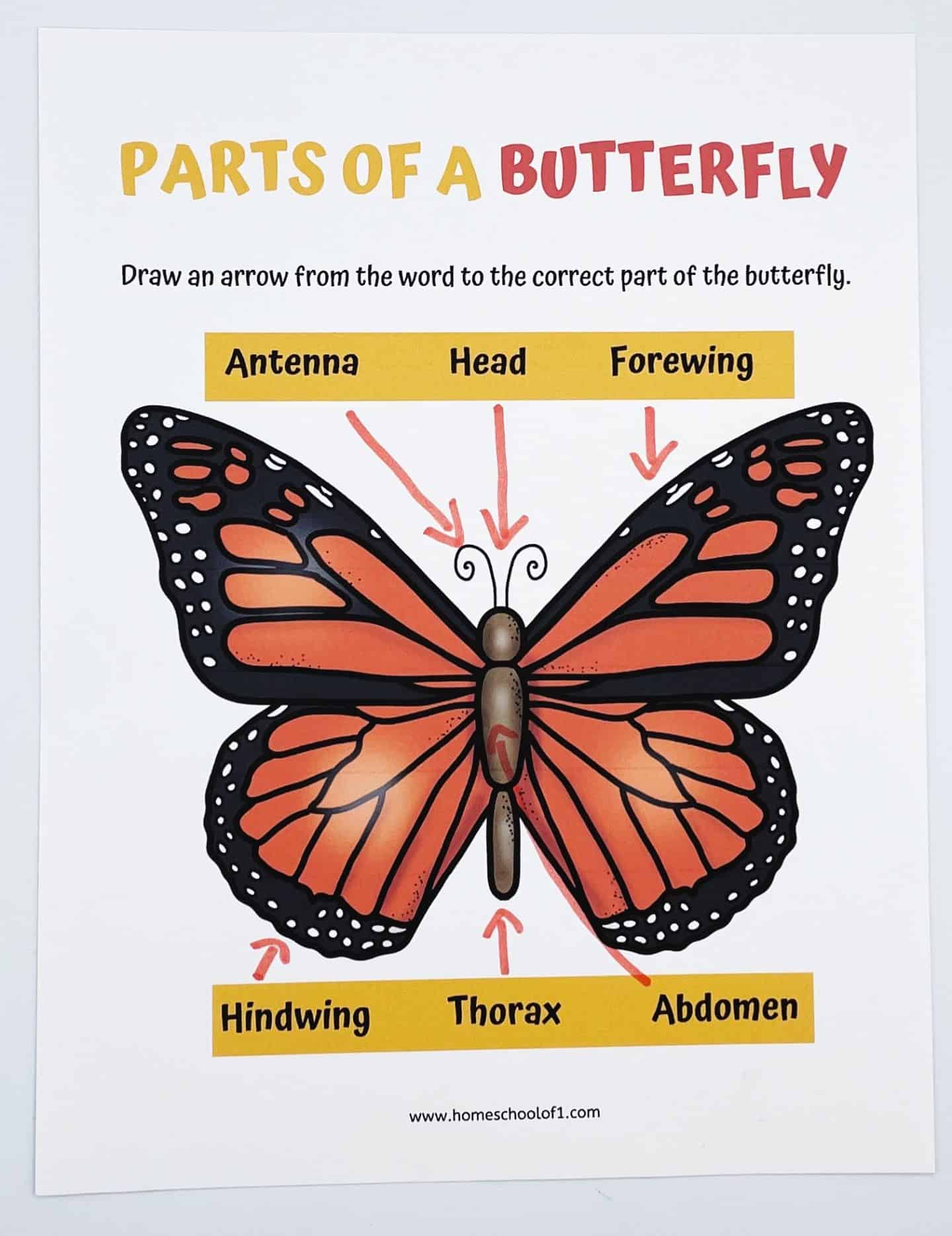
Understanding the parts of a butterfly is a foundational element of early science education, laying the groundwork for further exploration of the natural world. By incorporating engaging and interactive learning activities into their practice, parents and educators can inspire a lifelong appreciation for science and nature in children.

Leave a Reply Cancel reply