
Mastering multiplication tables is a key building block in early education, as it lays the foundation for more complex math concepts. Before moving on to harder concepts, kids need to master their multiplication facts, and a multiplication chart is a valuable tool to help them achieve this goal.
- Research consistently shows that students who have a strong foundation in multiplication tables perform better in math overall, as they are able to build on this knowledge to tackle more complex problems.
- Child development experts agree that using visual aids like multiplication charts can help children to better understand and retain math concepts, as they provide a clear and concise way to organize and review information.
- By using a multiplication chart, your child can quickly and easily look up the answers to multiplication problems, helping to build their confidence and fluency in math.
As you work with your child to master their multiplication facts, you will likely notice that they begin to develop a stronger understanding of math concepts and are able to apply this knowledge to real-world problems.
Mastering the Basics of Multiplication
To master multiplication, your child needs to understand the concept of repeated addition and how it relates to the multiplication symbol.
When introducing multiplication to your child, it’s essential to start with the basics and build from there. Begin by explaining the concept of repeated addition and how it relates to the multiplication symbol. For example, you can use blocks or other manipulatives to demonstrate that 3 x 4 is equal to 3 groups of 4, or 4 + 4 + 4.
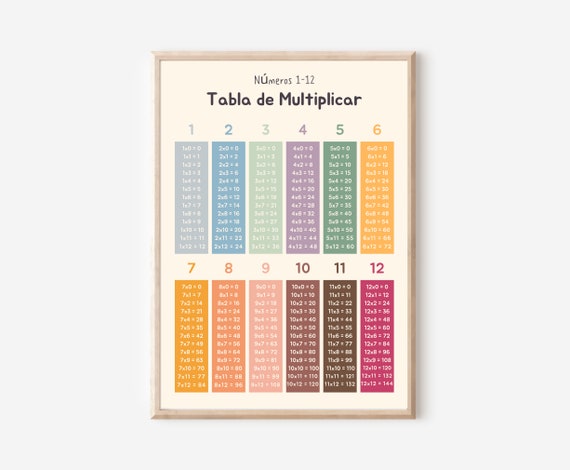
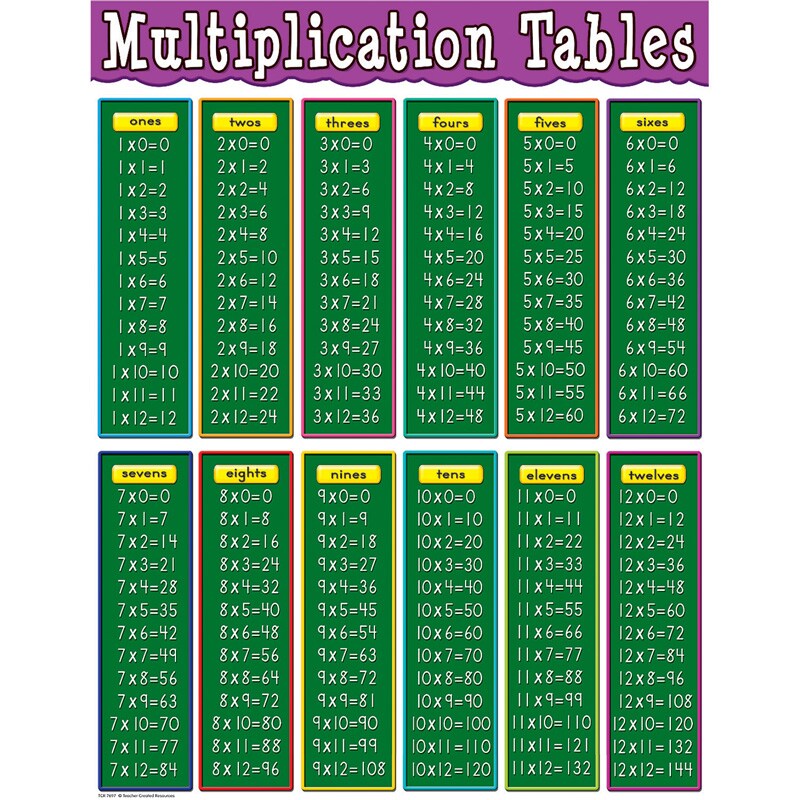
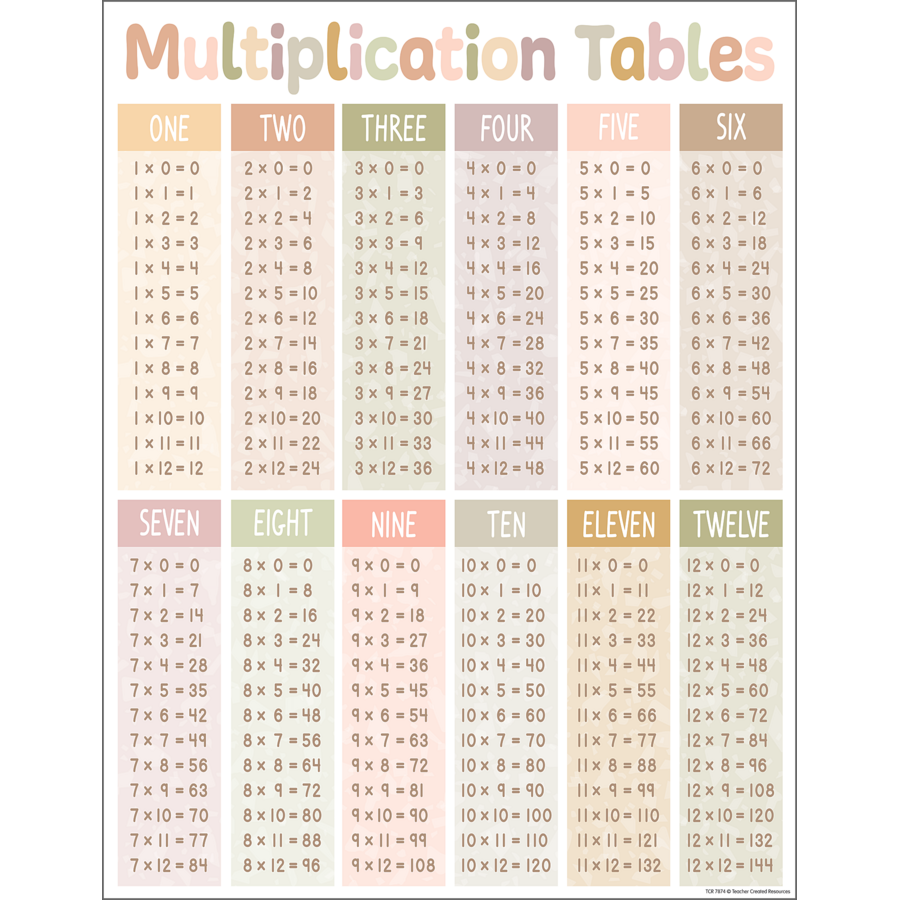
As your child becomes more comfortable with the concept of multiplication, you can introduce them to a multiplication chart. This visual aid can help your child to see the relationships between different numbers and to begin to memorize their multiplication facts.
Step-by-Step Implementation Guide
By following a step-by-step approach, you can help your child to master their multiplication facts and develop a strong foundation in math.
To help your child master their multiplication facts, follow these steps:
- Start by introducing the concept of multiplication and explaining how it relates to repeated addition.
- Use visual aids like blocks or arrays to help your child understand the concept of multiplication.
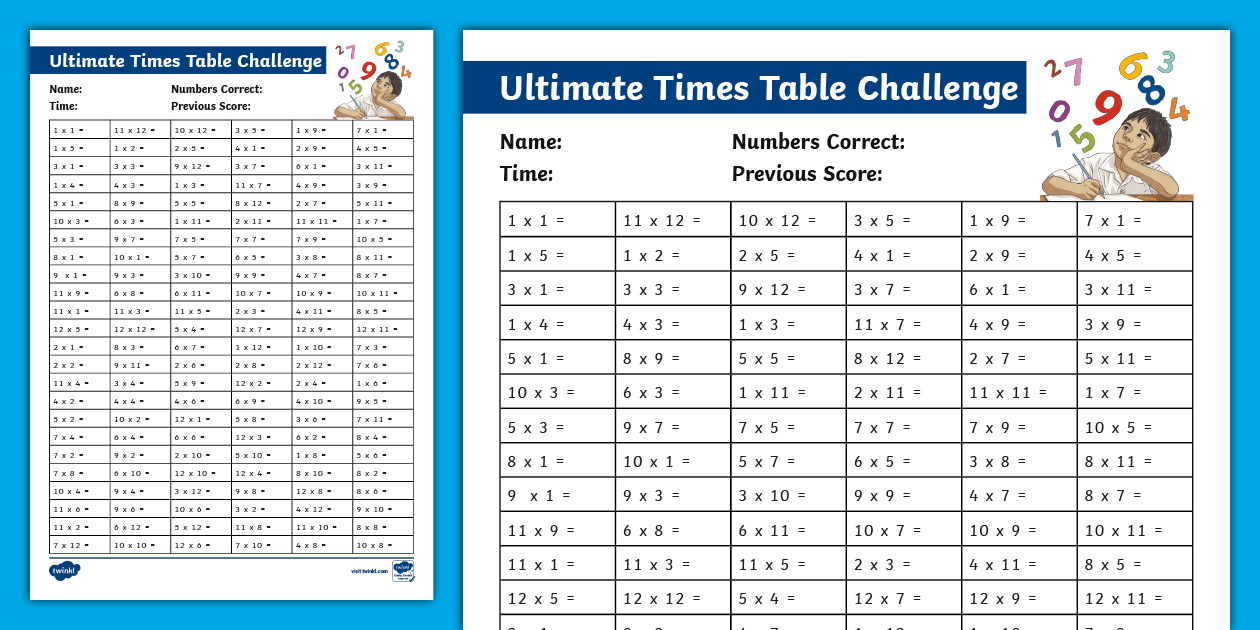
- Introduce your child to a multiplication chart and explain how to use it to look up answers to multiplication problems. 4.
Practice, practice, practice – the more your child practices their multiplication facts, the more confident they will become.
You might be wondering how to make practice more engaging and fun for your child. One idea is to turn practice into a game, using flashcards or online resources to make it more interactive.
Differentiation Strategies
Building Confidence Before Accuracy
Building confidence is essential before focusing on accuracy, as it helps your child to develop a positive attitude towards math and to feel more comfortable taking risks.
When working with children who are anxious or struggling with multiplication, it’s essential to focus on building their confidence before pressing for accuracy. One way to do this is to provide plenty of positive reinforcement and encouragement, praising your child for their efforts and progress rather than just their results.

You can also try using verbal encouragement strategies, such as providing specific feedback and suggestions for improvement. For example, you might say, “I can see that you’re really trying to remember your multiplication facts – keep up the good work!” or “That’s a great effort, but let’s try to focus on getting the answer just right.”
Going Deeper for Children Ready for More
For children who are confident and accurate, it’s essential to provide intellectually stimulating extensions that challenge them and push them to think more deeply about math concepts.
For children who are confident and accurate in their multiplication facts, it’s essential to provide intellectually stimulating extensions that challenge them and push them to think more deeply about math concepts. One idea is to introduce more complex multiplication problems, such as multiplying multi-digit numbers or decimals.

You can also try using real-world examples to illustrate the relevance and importance of multiplication in everyday life. For example, you might ask your child to calculate the cost of items at the store or to determine the area of a room.

Connecting to Learning Standards
Multiplication charts are an essential tool for meeting learning standards in math, as they provide a clear and concise way to organize and review information.
Multiplication charts are an essential tool for meeting learning standards in math, as they provide a clear and concise way to organize and review information. By using a multiplication chart, your child can quickly and easily look up the answers to multiplication problems, helping to build their confidence and fluency in math.
As you work with your child to master their multiplication facts, be sure to check in with their teacher to see how this skill is being reinforced in the classroom. You can also use online resources, such as Math Number Multiplication Chart, to provide additional support and practice.
Hands-On Activity
One hands-on activity you can try with your child is creating their own multiplication chart, using a hundreds chart or a piece of graph paper to create a visual representation of multiplication facts.
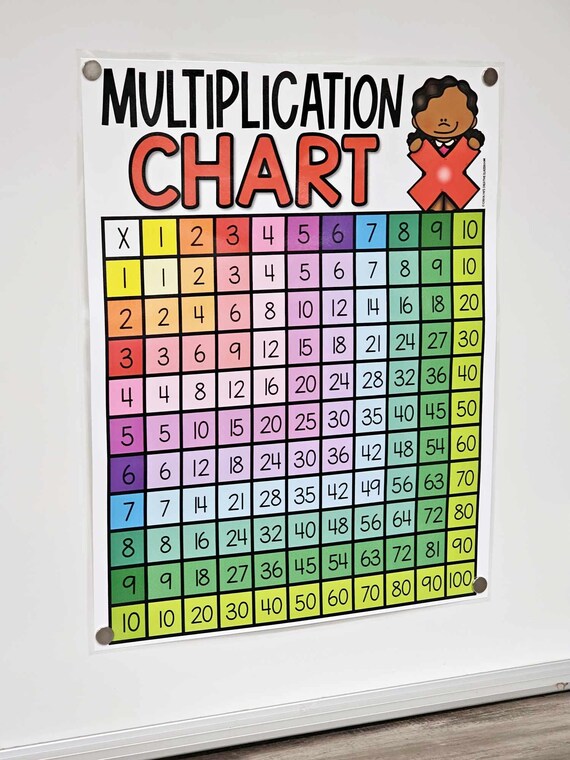
One hands-on activity you can try with your child is creating their own multiplication chart, using a hundreds chart or a piece of graph paper to create a visual representation of multiplication facts. This activity can help your child to see the relationships between different numbers and to begin to memorize their multiplication facts.
📌 Quick Home Hack: Try using a deck of cards to practice multiplication facts, dealing out cards and using the numbers to create multiplication problems.
You can also try using everyday objects to practice multiplication facts, such as counting blocks or toys. For example, you might ask your child to count out 3 groups of 4 blocks, or to determine how many toys they would have if they had 5 groups of 6 toys.
Frequently Asked Questions
Q: How can I help my child to memorize their multiplication facts?
A: One way to help your child to memorize their multiplication facts is to use visual aids like multiplication charts, providing plenty of practice and review to help reinforce their learning.
Q: What are some common challenges that children face when learning multiplication?
A: One common challenge that children face when learning multiplication is struggling to understand the concept of repeated addition, or having difficulty memorizing their multiplication facts.
Q: How can I make practice more engaging and fun for my child?
A: One way to make practice more engaging and fun for your child is to turn it into a game, using flashcards or online resources to make it more interactive.
Wrap-Up & Synthesis
Now that you’ve learned about the importance of multiplication charts and how to use them to help your child master their multiplication facts, it’s time to get started.
Print out a multiplication chart and sit down with your child to practice their multiplication facts. Start with the basics and build from there, using visual aids and hands-on activities to make learning more engaging and fun.

As you work with your child to master their multiplication facts, remember to be patient and supportive, providing plenty of positive reinforcement and encouragement along the way. With consistent practice and review, your child will be well on their way to developing a strong foundation in math and a lifelong love of learning.
For more information and resources, be sure to check out Complete Kindergarten Curriculum & Printable Hub and Array Model Multiplication Anchor Chart, or try Free printable worksheets for kindergarten to provide additional support and practice. You can also use Printable Multiplication Chart 1-25 to help your child master their multiplication facts.

Leave a Reply Cancel reply