
After years of teaching health and wellness, I’ve come to a simple realization: what actually works for helping women understand their body mass index (BMI) is providing them with a clear, easy-to-use chart that accounts for their age. What wastes time is trying to calculate it from scratch without a visual aid.
Here’s what you’ll learn from this article:
- How to use a BMI chart to determine a healthy weight range for women of different ages
- The importance of considering age when calculating BMI
- Practical tips for implementing BMI charts in your health and wellness routine
- How to adapt BMI charts for individual needs and learning styles
As we dive into the world of BMI charts, you’ll see how this simple tool can make a significant difference in understanding and maintaining a healthy weight.

Understanding BMI Charts
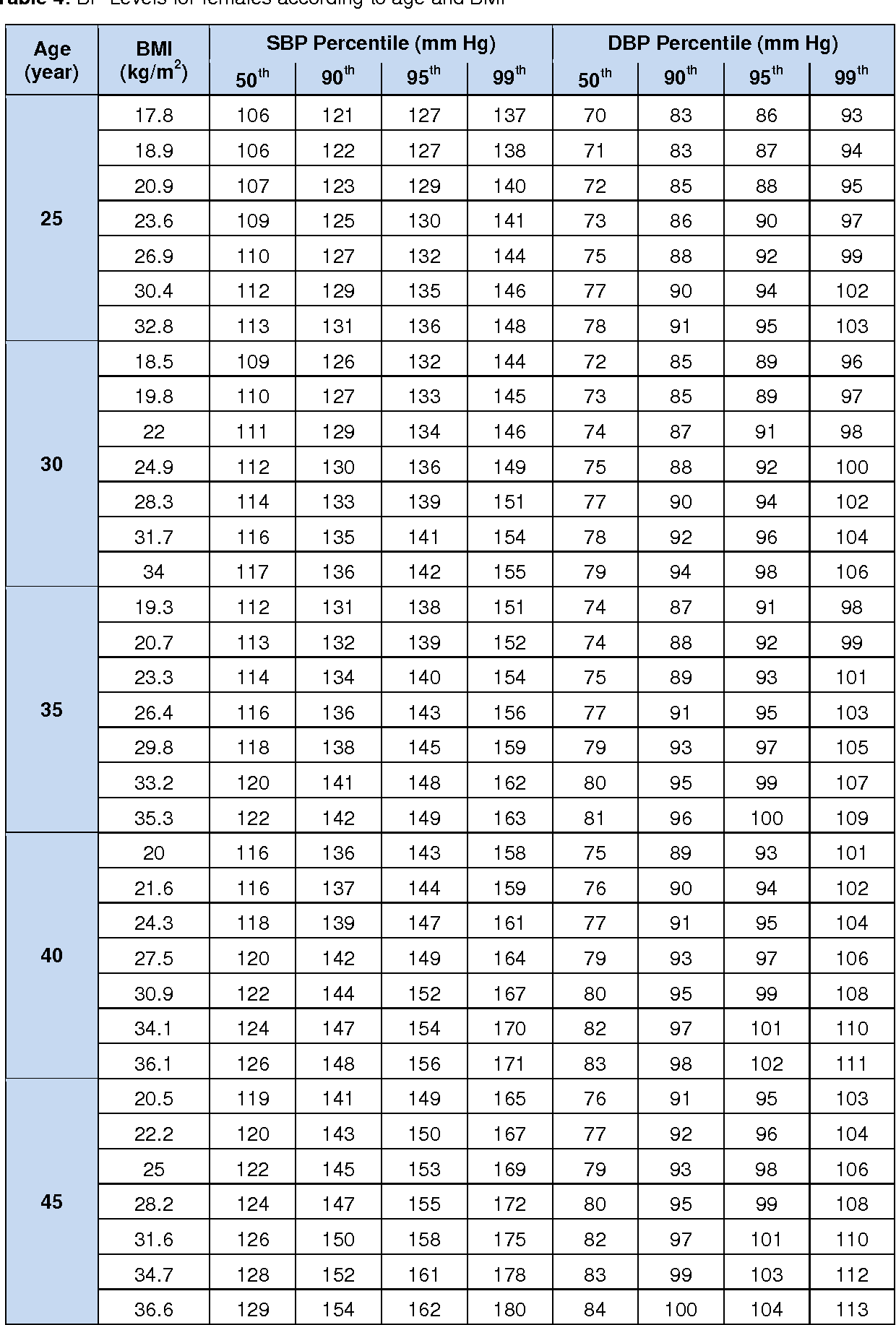
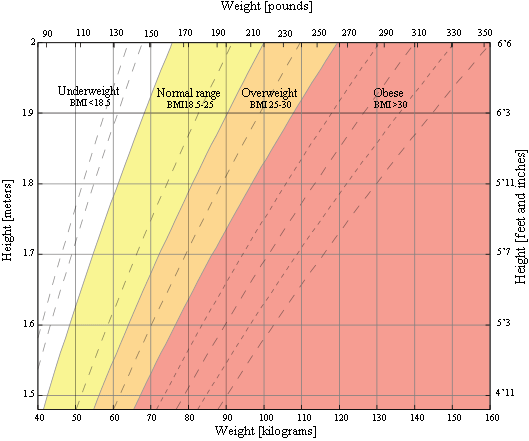
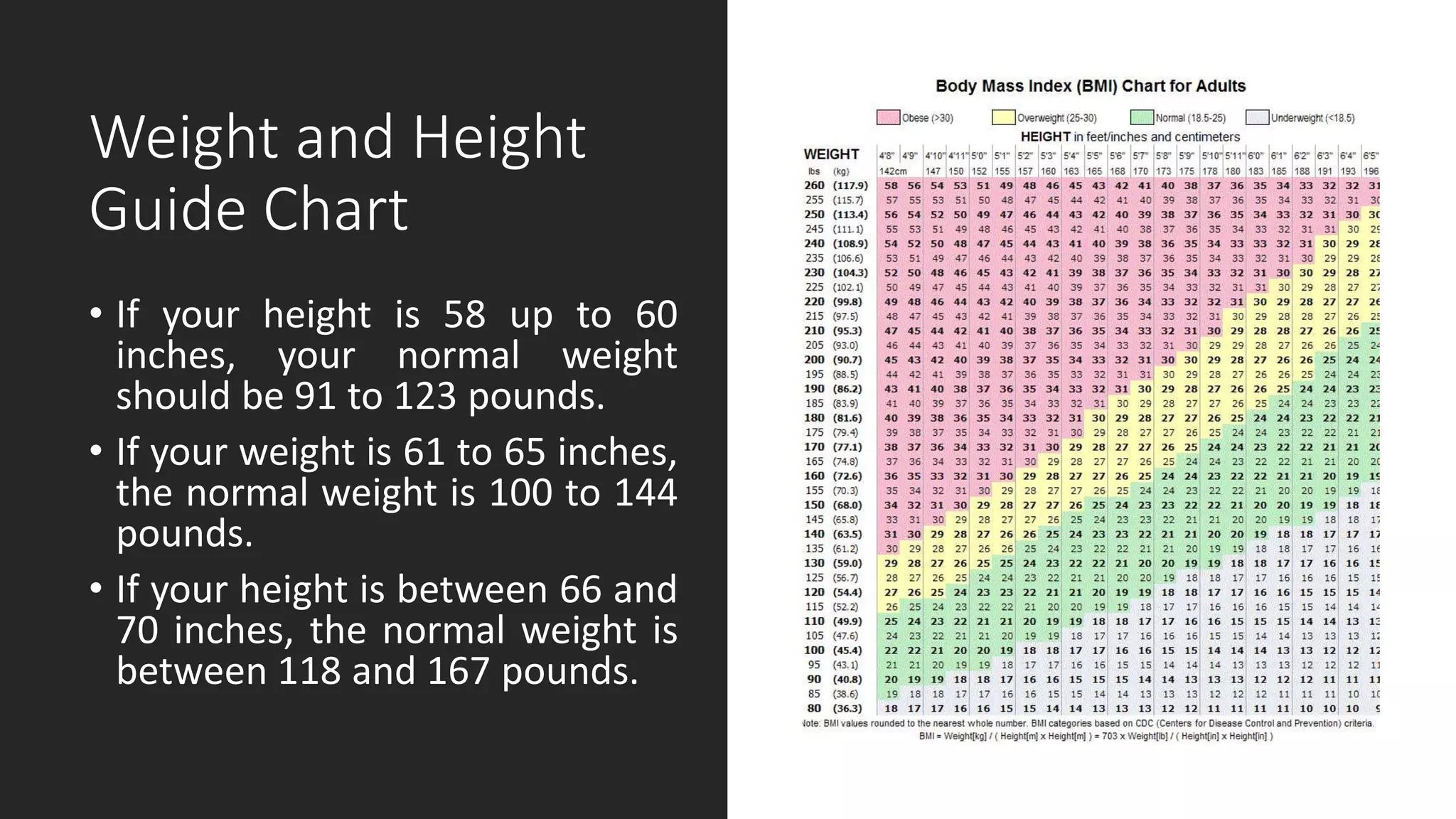
A BMI chart is a graphical representation of the relationship between height and weight, used to estimate a person’s body mass index.
BMI charts are designed to provide a quick and easy way to determine whether a person’s weight is in a healthy range for their height. For women, BMI charts take into account the natural fluctuations in weight that occur with age.

By using a BMI chart specifically designed for women and their age group, individuals can get a more accurate picture of their weight status and make informed decisions about their health.
The Importance of Age in BMI Calculations
Considering age is crucial when calculating BMI, as it affects the interpretation of the results.
Research consistently shows that as women age, their body composition changes, affecting their BMI. For example, after menopause, women may experience a shift in body fat distribution, which can impact their BMI. By using a BMI chart that accounts for age, women can get a more accurate assessment of their weight status and make adjustments to their lifestyle accordingly.

Frequently Asked Questions
Q: What is a healthy BMI range for women?
A: A healthy BMI range for women varies by age, but generally, a BMI between 18.5 and 24.9 is considered normal. However, it’s essential to consult with a healthcare professional to determine a healthy weight range for your individual needs.
Q: How do I use a BMI chart?
A: Using a BMI chart is straightforward. Simply find your height on the chart, and then find your weight. The point where the two lines intersect will indicate your BMI. You can then use the chart to determine whether your weight is in a healthy range for your height and age.
Q: Are BMI charts accurate for all women?
A: While BMI charts are a useful tool, they may not be accurate for all women. For example, women with a high muscle mass may have a higher BMI without being overweight. It’s essential to consult with a healthcare professional to determine the best way to assess your weight status.
Practical Implementation Steps
To get the most out of a BMI chart, it’s essential to use it in conjunction with other health and wellness practices.
One way to implement BMI charts in your health and wellness routine is to use them as a starting point for setting weight loss or maintenance goals. For example, you can use the chart to determine a healthy weight range for your age and height, and then work with a healthcare professional to develop a plan to achieve that goal.
Additionally, you can use the chart to track your progress over time, making adjustments to your diet and exercise routine as needed.
Hands-On Reinforcement Activity
A hands-on approach to learning about BMI charts can help reinforce understanding and retention.
Try creating a DIY BMI chart with a group of friends or family members. You can use a large piece of paper or poster board to create the chart, and then have each person plot their height and weight on the chart. This can be a fun and interactive way to learn about BMI charts and how to use them.
Learning Standards Connection
BMI charts are connected to various learning standards, including health and wellness, mathematics, and science.
By using BMI charts, individuals can develop a deeper understanding of the relationship between height and weight, as well as the importance of maintaining a healthy weight. This can be connected to learning standards in mathematics, such as graphing and data analysis, as well as science, such as human biology and health.

Adapting for Every Learner
Slow Down and Make It Stick
For individuals who need more time to understand and process the information, it’s essential to break down the learning process into smaller, more manageable steps.
When using a BMI chart, it’s essential to take the time to understand how to read the chart and interpret the results. For individuals who need more time, it may be helpful to start by simply understanding the concept of BMI and how it is calculated. From there, you can gradually introduce the chart and have the individual practice using it to determine their BMI.
Speed Up and Stretch the Skill
For individuals who quickly grasp the concept of BMI charts, it’s essential to provide opportunities for acceleration and extension.
One way to accelerate the learning process is to have the individual create their own BMI chart, using different variables such as age, height, and weight. This can help to develop a deeper understanding of the relationship between these variables and how they impact BMI.

Additionally, you can have the individual research and present on different topics related to BMI and health, such as the impact of obesity on overall health or the importance of maintaining a healthy weight during pregnancy.
As you work with BMI charts, remember to visit Printable worksheets for kids and teachers for additional resources and support. You can also explore related topics, such as Charting Critical Care Time Masashi Rotte, to gain a deeper understanding of the importance of tracking and monitoring health metrics. For a comprehensive guide to preschool learning, check out Comprehensive Preschool Worksheets & Learning Guide.
Furthermore, you can use Array Model Multiplication Anchor Chart to help develop math skills, and 14 Times Table Chart to practice multiplication tables.

In conclusion, understanding and using BMI charts is a crucial aspect of maintaining a healthy weight and overall wellness. By providing a clear and easy-to-use tool, individuals can take control of their health and make informed decisions about their lifestyle.
As a teacher and curriculum specialist, I’ve seen firsthand the impact that BMI charts can have on individuals’ understanding of their weight status and their ability to make positive changes in their lives.
As you continue on your journey to wellness, remember that every small step counts, and using a BMI chart is just the beginning. By combining this tool with other healthy habits, such as regular exercise and a balanced diet, you can achieve a healthy weight and improve your overall health and wellbeing. So, take the first step today, and start using a BMI chart to take control of your health.
!bmi chart for women 8679916:max_bytes(150000):strip_icc()/VWH_illustration_BAF8FF3-8c364807534d4b52adc4a9d649036dee.png)
Leave a Reply Cancel reply