
I recall a specific moment in my classroom when a student, Cooper, hesitated while attempting to play an open chord on his guitar. He looked puzzled and asked, “How do I know which strings to press down and which to leave open?” I guided him through the process, explaining the importance of finger placement and string selection. This moment highlighted the need for a clear and concise resource to help students learn open chords.
As a teacher, I have encountered numerous students who struggle with chord progression and fingering techniques. The main challenge lies in helping students develop muscle memory and hand-eye coordination. It is essential to provide students with a comprehensive resource that breaks down the complex process of playing open chords into manageable parts. In my experience, a well-structured practice routine and visual aids can significantly enhance a student’s understanding and proficiency.
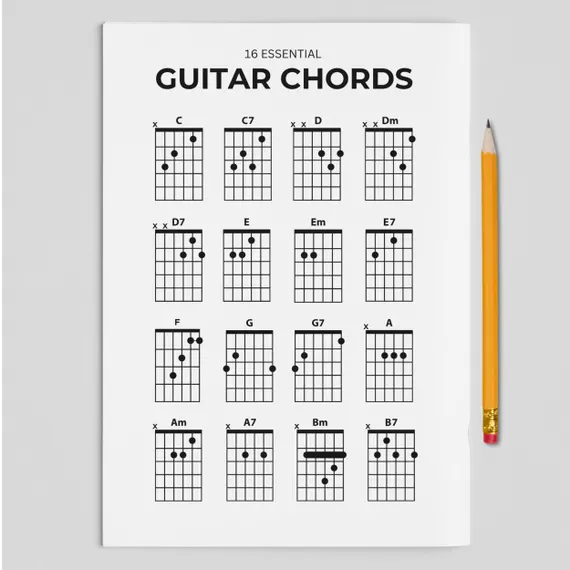
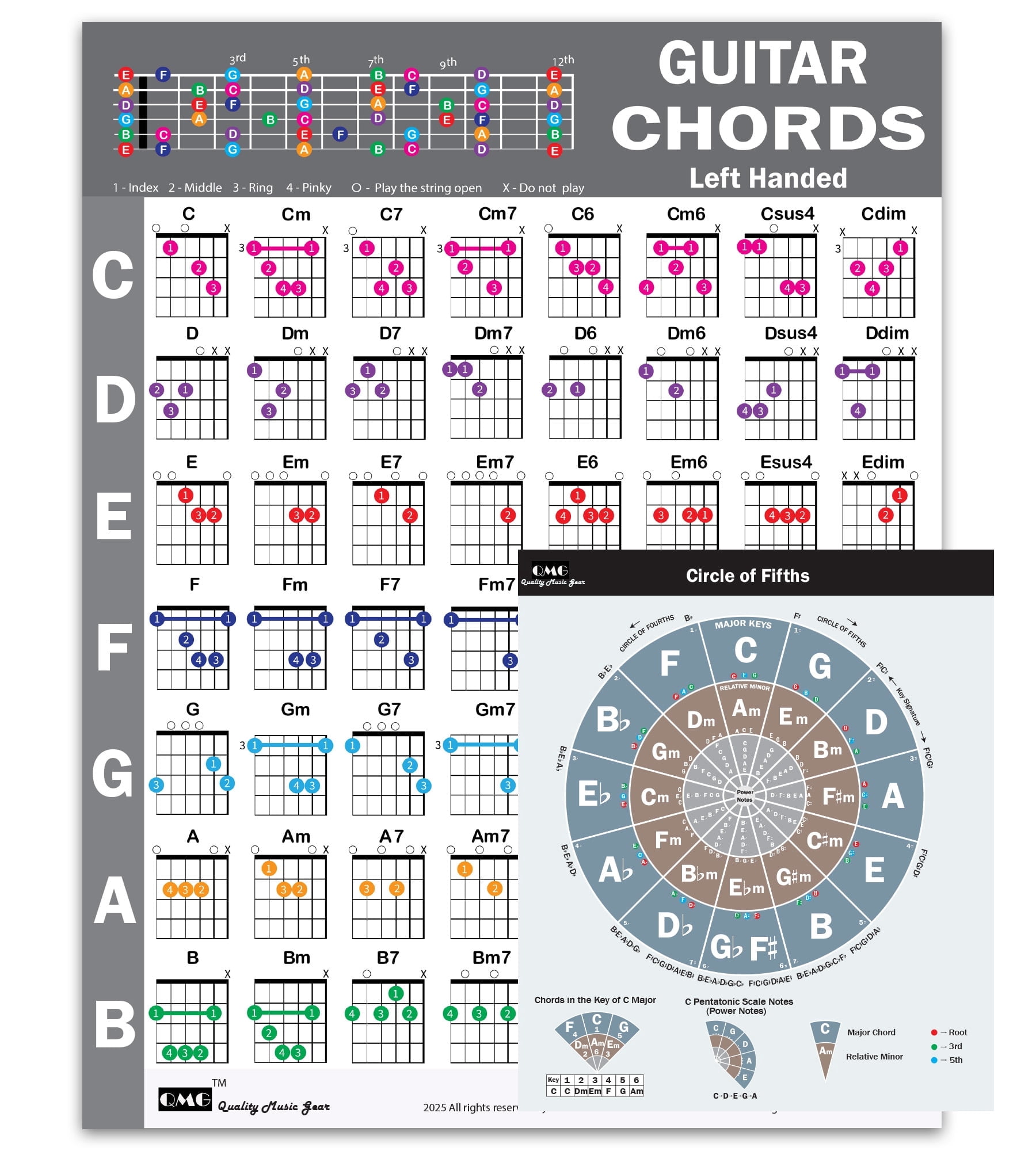
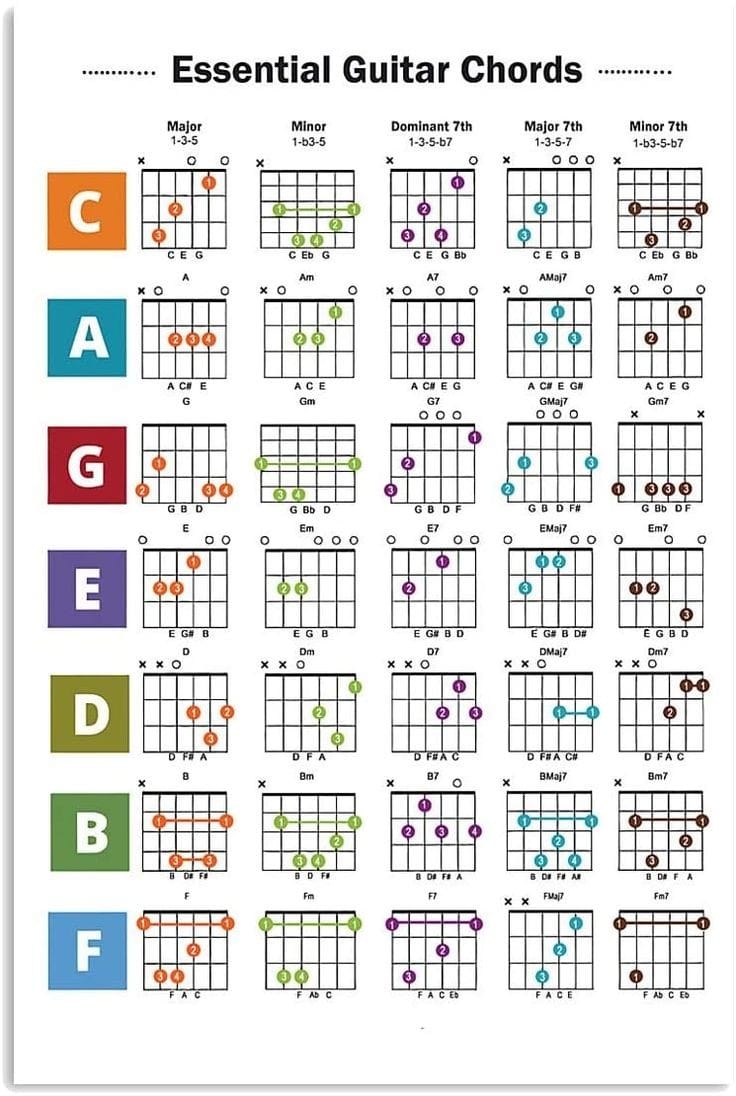
The Open Chords Printable Chart is an invaluable resource that addresses this challenge. This chart provides a clear and concise visual representation of open chords, making it easier for students to learn and practice.

In this article, we will explore the benefits of using the Open Chords Printable Chart, discuss how to effectively integrate it into your teaching practice, and provide tips on how to differentiate instruction to meet the needs of diverse learners. We will also examine the educational standards and goals associated with teaching open chords and offer guidance on how to create a step-by-step worksheet guide to support student learning.

Mastering Open Chords
To master open chords, students must develop a strong foundation in music theory and guitar technique. The Open Chords Printable Chart is an excellent resource to support this process. By using the chart, students can identify chord patterns and practice finger placement. Many experienced teachers ask, “How can I ensure my students are practicing correctly?” The answer lies in providing a clear and concise practice routine that includes warm-up exercises and chord progression drills. Your instinct to focus on proper technique is actually correct, as it is essential for building a strong foundation in guitar playing.
Building Confidence Through Repetition
Building confidence in playing open chords requires repetition and consistent practice. The Open Chords Printable Chart can be used to create a practice schedule that outlines specific goals and objectives. It is completely normal to wonder about the best way to structure practice sessions. In my experience, I have seen this work when students are given a clear plan and regular feedback. For example, you can use the chart to create a practice log that tracks progress and identifies areas for improvement.
❓ Parents Often Ask: How can I help my child practice open chords at home?
As a teacher, I recommend setting aside dedicated time for practice and using the Open Chords Printable Chart as a reference guide. You can also find additional resources, such as Free printable worksheets and activity sheets, to support your child’s learning.
Turning Chord Progressions Into a Game
Turning chord progressions into a game can make practice more engaging and fun. The Open Chords Printable Chart can be used to create games and activities that promote learning and retention. Many teachers ask, “How can I make practice more enjoyable for my students?” One approach is to incorporate music theory into games and activities, making learning a more interactive and enjoyable experience. You can also use online resources, such as Free Printable Science Worksheets For 8th Graders, to find inspiration for creating engaging lesson plans.
Educational Standards and Goals
The Open Chords Printable Chart aligns with educational standards and goals associated with teaching music theory and guitar technique. By using the chart, students can develop a strong foundation in chord progression and fingering techniques, which are essential skills for any musician. In my experience, I have seen students who use the chart make significant progress in their understanding of music theory and guitar technique. You can also use the 14 Times Table Chart to help students develop their math skills, which can be applied to music theory.
Frequently Asked Questions
Q: How can I help my child learn open chords if they have no prior experience with guitar?
A: Learning open chords can be a challenging but rewarding experience for beginners. It is essential to start with the basics, including proper hand positioning and finger placement. You can use the Open Chords Printable Chart to create a step-by-step guide that outlines specific goals and objectives. It is also crucial to provide regular feedback and encouragement to help build confidence and motivation.
Q: What are some common mistakes to avoid when teaching open chords?
A: One common mistake to avoid is not providing enough feedback and correction. It is essential to monitor students’ progress and provide constructive feedback to help them improve. Another mistake is not making practice fun and engaging. You can use games and activities to make practice more enjoyable and interactive.
Q: How can I differentiate instruction to meet the needs of diverse learners?
A: Differentiating instruction is crucial to meet the needs of diverse learners. You can use the Open Chords Printable Chart to create modified practice routines that cater to different learning styles and abilities. It is also essential to provide additional support and resources for students who need extra help.
Step-by-Step Worksheet Guide
To create a step-by-step worksheet guide, follow these steps:
- Identify learning objectives: Determine what you want students to learn and achieve.
- Create a practice schedule: Outline specific practice sessions and goals.
- Use the Open Chords Printable Chart: Provide students with a clear and concise visual representation of open chords.
- Monitor progress: Track students’ progress and provide regular feedback.
Hands-On Extension Activity
A hands-on extension activity can help reinforce learning and make practice more engaging. One idea is to create a guitar scavenger hunt where students have to find and play different open chords. You can also use online resources, such as Snow Science Worksheet PDF, to find inspiration for creating interactive lesson plans.
Differentiation Strategies
Scaffolded Support: A Step-by-Step Path
To provide scaffolded support, you can use the Open Chords Printable Chart to create a step-by-step guide that outlines specific goals and objectives. You can also provide verbal prompts and visual anchors to help students who need extra support. Additionally, you can use the Complete Kindergarten Curriculum & Printable Hub to find resources and activities that cater to different learning styles and abilities.
Enrichment Path: What Comes Next
To provide an enrichment path, you can use the Open Chords Printable Chart as a springboard to more complex connected skills or independent project work. One idea is to have students create their own guitar compositions using open chords. You can also encourage students to explore different music genres and styles, such as jazz or classical.
As I reflect on Cooper’s question about open chords, I am reminded of the importance of providing clear and concise resources to support student learning. The Open Chords Printable Chart is an invaluable tool that can help students develop a strong foundation in music theory and guitar technique. With consistent practice and repetition, students can master open chords and become proficient musicians.
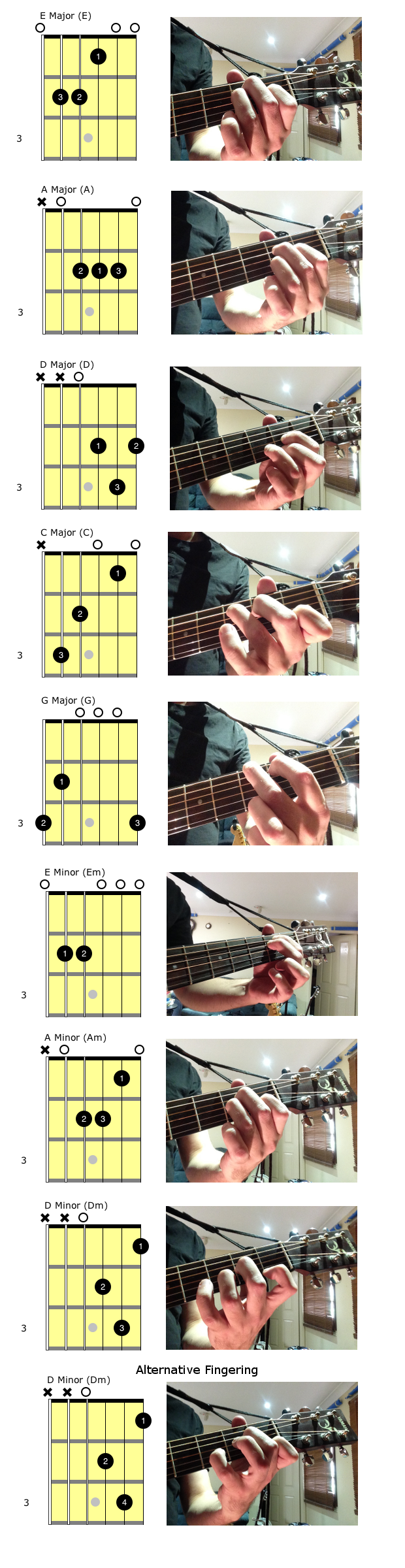
In the end, it is essential to remember that learning is a journey, not a destination. By providing students with the right resources and support, we can help them achieve their goals and develop a lifelong passion for music. As a teacher, it is rewarding to see students progress from struggling with open chords to playing complex songs with confidence and ease.
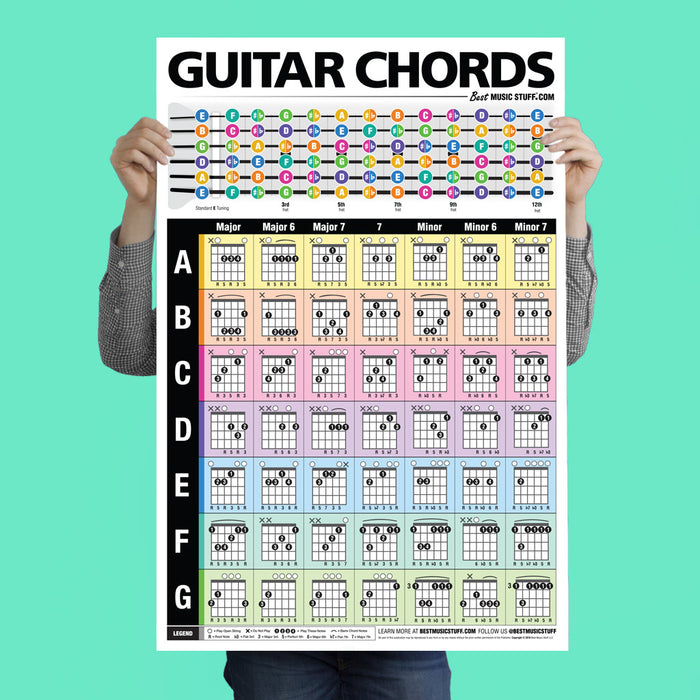
The Open Chords Printable Chart is a valuable resource that can help make this journey more enjoyable and rewarding for both students and teachers.

Leave a Reply Cancel reply