
Research shows that consistent practice with multiplication charts can improve math fluency by up to 30% in just a few weeks. To keep practice sessions short and maximize focus, try breaking them down into 5-10 minute intervals, several times a day – this can be as simple as using a multiplication chart during breakfast or right before bedtime.
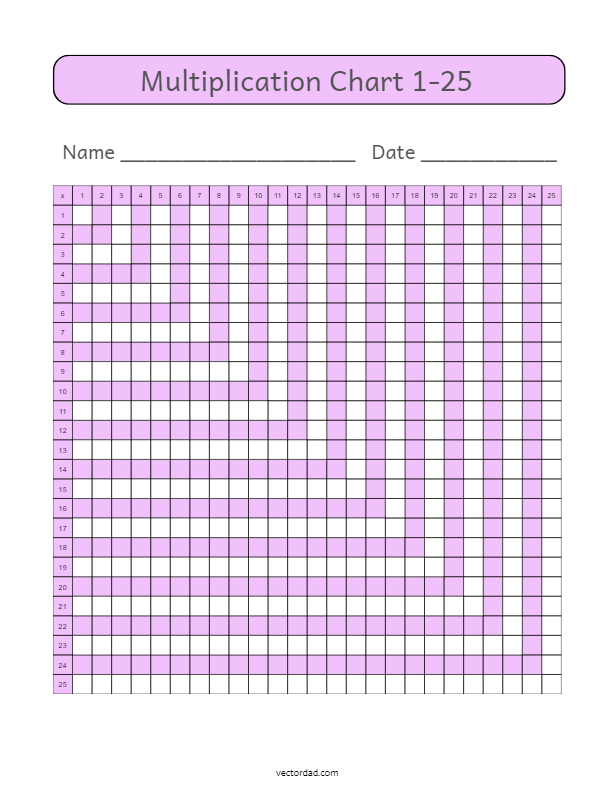
When it comes to teaching multiplication, one of the biggest challenges parents and educators face is keeping children engaged and motivated. Many students struggle to memorize their times tables, and without a solid foundation, more complex math concepts can be daunting. This is where a printable multiplication chart 1-25 can be a lifesaver, providing a visual tool for kids to practice and reinforce their understanding of multiplication facts.
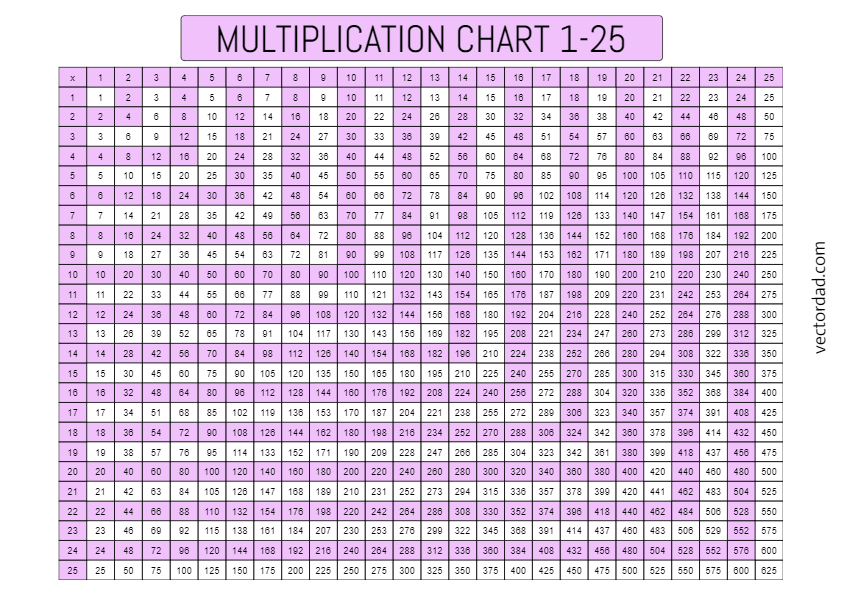
The key to making the most of a multiplication chart is to use it consistently and make it a part of your daily routine. For example, you can use it to quiz your child on their times tables during breakfast, or have them fill out a chart as a fun activity before bedtime.

By incorporating a multiplication chart into your daily routine, you can help your child develop a strong foundation in math and build their confidence in tackling more complex problems.
How to Introduce Multiplication Charts Without Overwhelm
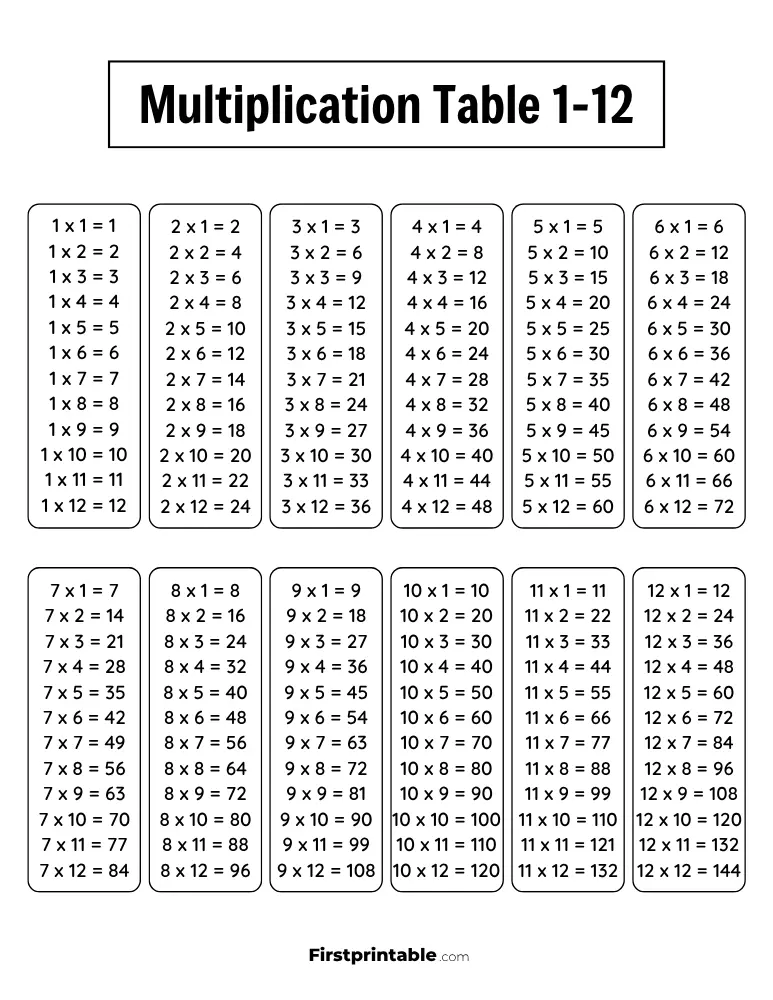
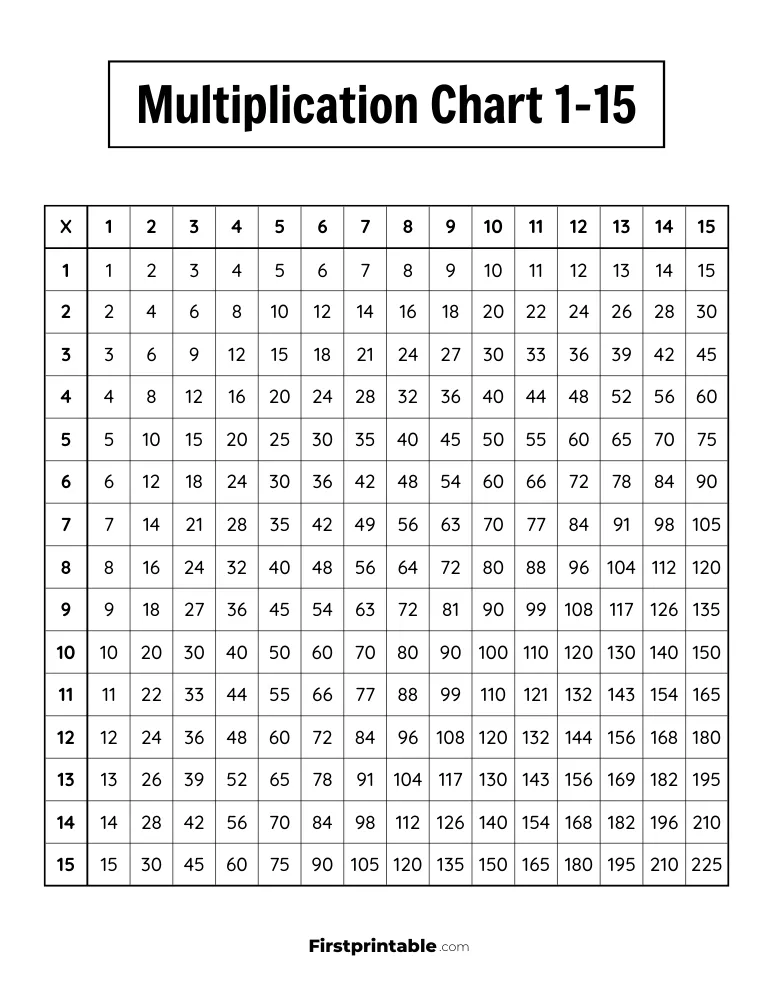
To introduce a multiplication chart to your child without overwhelming them, start by focusing on a specific range of numbers, such as 1-10. Use the chart to help them see the patterns and relationships between numbers, and encourage them to practice reciting their times tables regularly. You can also use games and activities to make practice more engaging and fun. For instance, you can try:
- Creating a “times table scavenger hunt” around the house or backyard
- Using flashcards to quiz your child on their multiplication facts
- Playing “Multiplication War” with a deck of cards
How to Understand the Developmental Stage of Multiplication
Children typically begin learning multiplication in the 3rd or 4th grade, around the age of 8 or
- At this stage, they are developing their ability to think logically and solve problems using abstract concepts. A multiplication chart can be a powerful tool to support this development, helping children to visualize the relationships between numbers and build their fluency with multiplication facts. As children progress through the elementary grades, they will begin to apply multiplication to more complex problems, such as multi-digit multiplication and division.
Inside the Worksheet Walkthrough
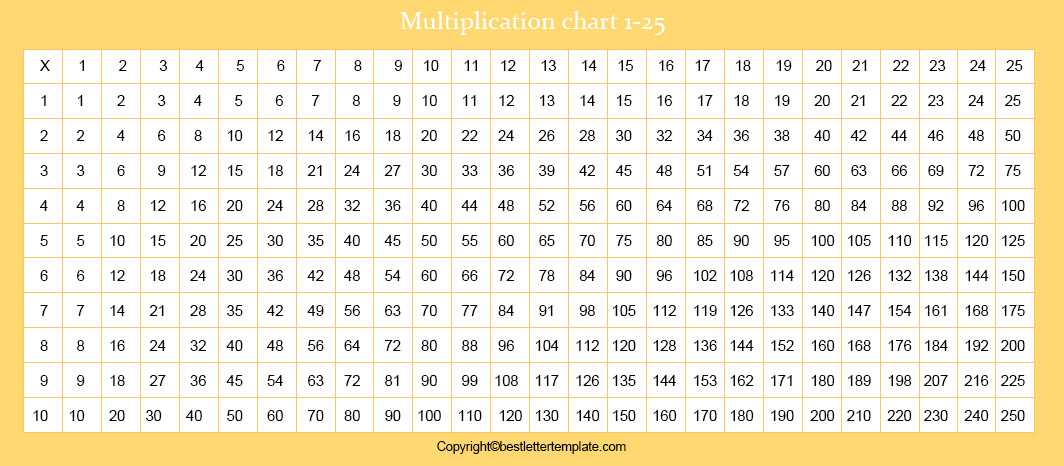
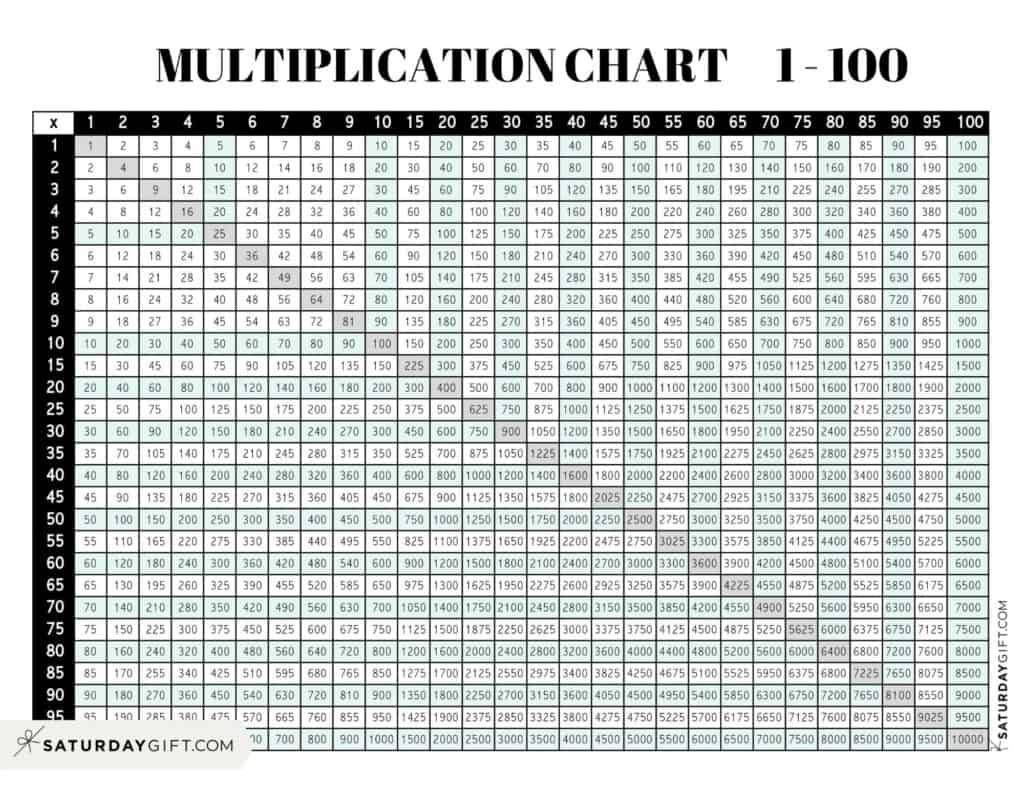
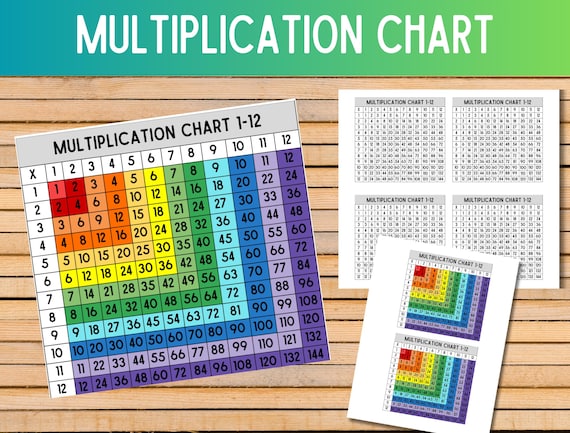
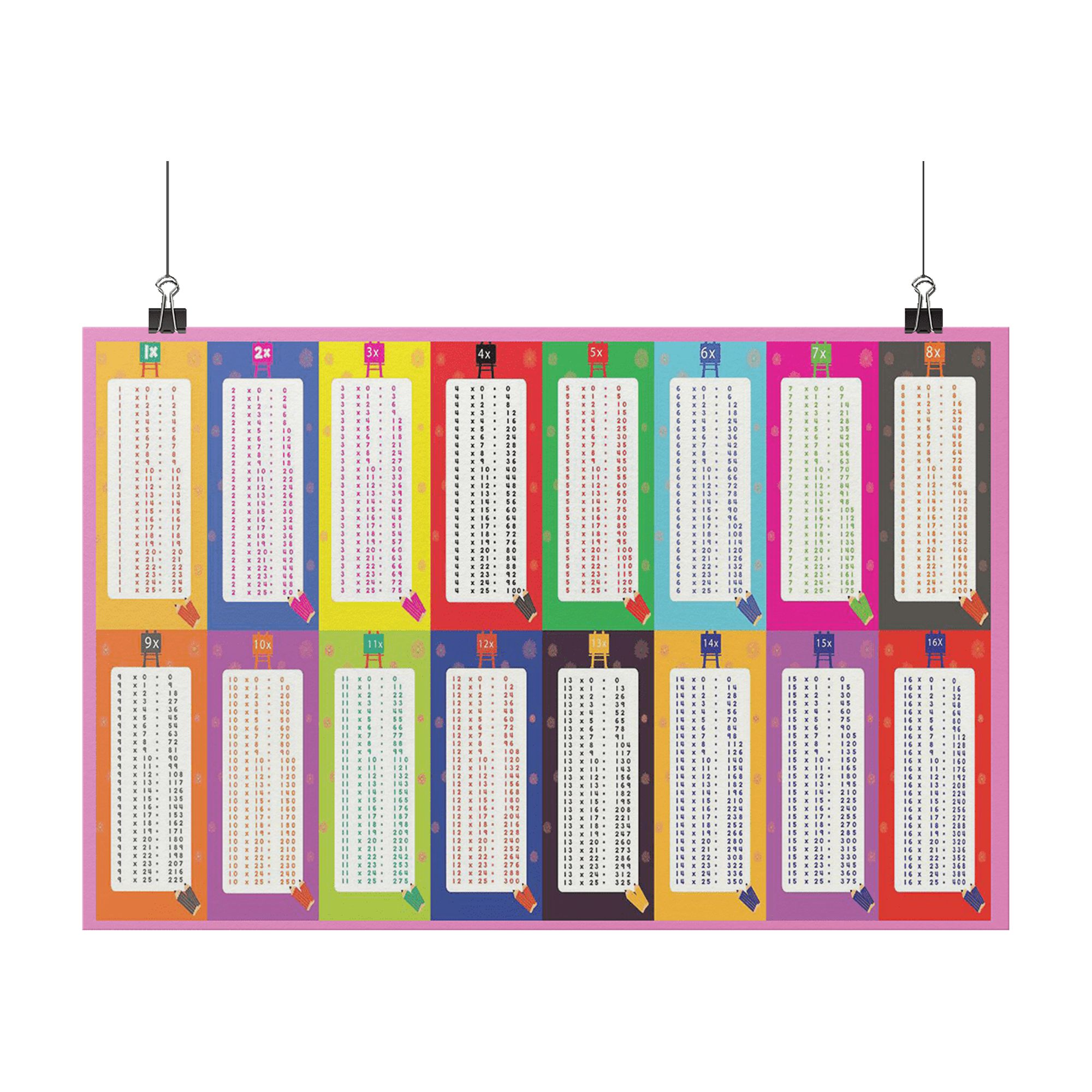
A printable multiplication chart 1-25 typically includes a grid with numbers 1-25 on the top and side, and the corresponding multiplication facts filled in. To use the chart, simply have your child fill in the missing facts or use it to quiz them on their times tables. You can also use the chart to help your child identify patterns and relationships between numbers. For example:
- Point out the patterns in the chart, such as the fact that multiplying by 0 always results in 0
- Use the chart to help your child see the relationships between different numbers, such as the fact that 2 x 6 is equal to 12
Hands-On Reinforcement Activity
One fun way to reinforce multiplication facts is to create a “Multiplication Museum” in your home or classroom. Have your child create exhibits or displays that illustrate different multiplication facts, such as a poster showing the fact that 3 x 4 = 12. You can also include interactive activities, such as a “Multiplication Bingo” game or a “Times Table Treasure Hunt”. This type of hands-on activity can help make multiplication more engaging and fun for your child.
How to Address Common Questions and Concerns
Many parents and educators have questions about how to use a multiplication chart effectively. Some common questions include:
Q: How often should I practice multiplication with my child?
A: Aim to practice multiplication with your child at least 3-4 times per week, using a variety of activities and games to keep things engaging and fun.
Q: What if my child is struggling to memorize their times tables?
A: If your child is struggling to memorize their times tables, try breaking it down into smaller chunks and focusing on one range of numbers at a time. You can also use games and activities to make practice more engaging and fun.
Q: Can I use a multiplication chart with older children?
A: Yes, a multiplication chart can be a useful tool for older children who need to review or reinforce their multiplication facts. You can also use it to introduce more complex concepts, such as multi-digit multiplication and division.
How to Differentiate for Specific Learners
Every child learns differently, and some may need extra support or challenges when it comes to multiplication. To differentiate for specific learners, consider the following strategies:
A Sensory-Friendly Approach for Sensitive Learners
For children who are sensory-sensitive or have attention challenges, consider using a multiplication chart with a simpler design or fewer distractions. You can also use tactile activities, such as filling out a chart with manipulatives or using a multiplication chart with a tactile surface.
Raising the Bar for Early Achievers
For children who complete the standard worksheet quickly and accurately, consider adding more complex challenges, such as multi-digit multiplication or division. You can also use games and activities to make practice more engaging and fun, such as “Multiplication Bingo” or “Times Table Scavenger Hunt”.
As your child becomes more confident in their multiplication facts, you’ll start to see a growth in their overall math fluency and problem-solving skills. With consistent practice and reinforcement, they’ll be tackling complex math problems with ease and developing a strong foundation for future success. So, why not give a printable multiplication chart 1-25 a try and see the difference it can make for your child?
You can find more resources, such as Open Chords Printable Chart, to support their learning journey. For a comprehensive guide to preschool learning, check out Comprehensive Preschool Worksheets & Learning Guide. Additionally, you can explore 14 Times Table Chart and Free Printable Science Worksheets For 8th Graders for more targeted practice. You can also find Printable learning worksheets for kids to supplement their education.

Leave a Reply Cancel reply