
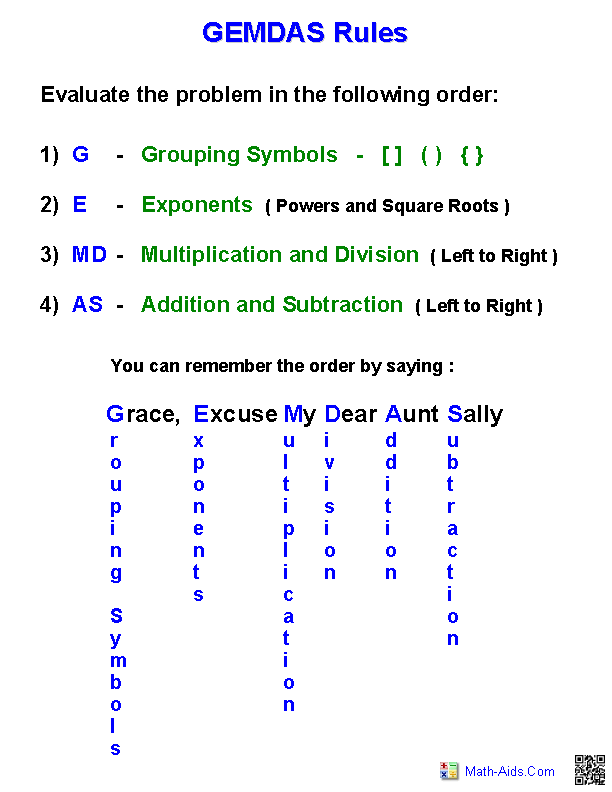
“I don’t get it, why do I have to follow this order?” says Kennedy, frustrated with the complexity of mathematical expressions. Research consistently shows that mastering the order of operations is crucial for solving mathematical problems accurately. The order of operations, often remembered by the acronym PEMDAS (Parentheses, Exponents, Multiplication and Division, and Addition and Subtraction), is a fundamental concept in mathematics that ensures expressions are evaluated consistently and correctly.
What Makes Mastering Order Of Operations So Challenging?
The order of operations is a foundational concept in mathematics that can be challenging for students to master, especially when expressions involve exponents and square roots.
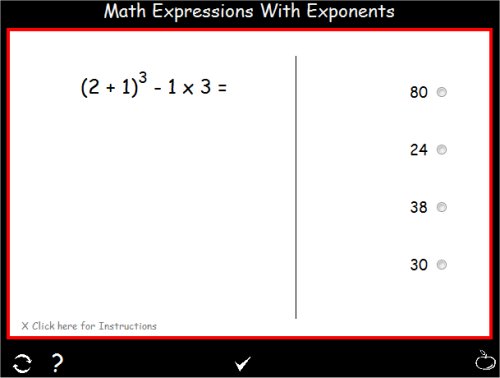
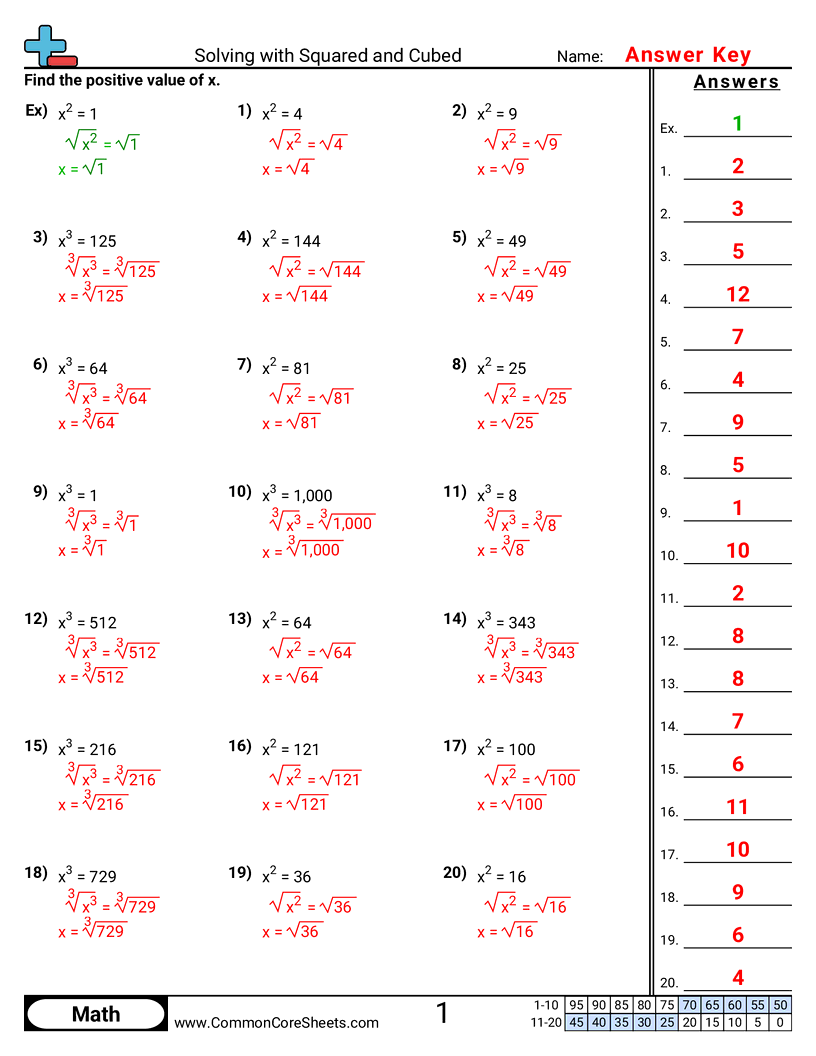
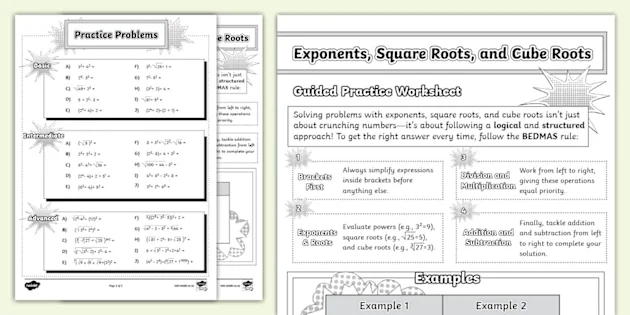
Child development experts agree that consistent practice and structured worksheets are essential for building fluency and confidence in mathematical operations. For instance, during morning math practice, Kennedy’s teacher uses worksheets that gradually increase in difficulty to help students solidify their understanding of the order of operations.
How Do You Effectively Teach Order Of Operations With Exponents And Square Roots?
💡 Teacher Pro-Tip: When introducing order of operations with exponents and square roots, start with simple expressions and gradually increase the complexity to prevent overwhelming students.
Studies on early math education have found that using visual aids and real-world examples can help students better understand abstract mathematical concepts like exponents and square roots. For example, using a number line to demonstrate how exponents affect the value of a number can make the concept more tangible and accessible.
Can Differentiation Strategies Enhance Order Of Operations Instruction?
Building Confidence Before Accuracy
When teaching order of operations, it’s essential to build confidence in students before focusing on accuracy. This can be achieved by providing opportunities for students to practice with simpler expressions and offering positive feedback on their effort, rather than just their results. Verbal encouragement and acknowledging small wins can go a long way in helping students feel more confident and motivated to learn.
Going Deeper for Children Ready for More
For students who have mastered the basics of order of operations, it’s time to challenge them with more complex expressions and real-world applications. This can include solving problems that involve multiple operations, such as calculating the cost of goods after applying discounts and taxes. By pushing students to apply their knowledge in creative ways, teachers can help them develop a deeper understanding of mathematical concepts and their practical uses.
How Do Order Of Operations Worksheets Connect to Learning Standards?
The order of operations is a critical component of various math learning standards, including those related to algebra and problem-solving.
By using worksheets that focus on order of operations with exponents and square roots, teachers can help students meet these standards and develop a strong foundation in mathematics. For instance, the Comprehensive Preschool Worksheets & Learning Guide provides a detailed outline of how order of operations aligns with early math learning standards.
What Hands-On Activities Can Reinforce Order Of Operations Understanding?
In addition to worksheets, hands-on activities can be an effective way to reinforce understanding of order of operations. For example, creating a math scavenger hunt that requires students to solve expressions involving exponents and square roots can make learning fun and engaging. Teachers can also use online resources, such as Free printable worksheets and coloring pages, to create interactive math lessons that cater to different learning styles.
Frequently Asked Questions
Q: How can I help my child understand the order of operations with exponents and square roots?
A: Start by explaining the concept in simple terms and providing plenty of practice opportunities with worksheets and real-world examples. Also, consider using visual aids like number lines and graphs to help illustrate how exponents and square roots work.
Q: What are some common mistakes students make when applying the order of operations?
A: Common mistakes include forgetting to follow the correct order of operations, confusing exponents with multiplication, and not simplifying expressions fully. Teachers can help students avoid these mistakes by providing clear instructions, examples, and feedback.
Q: How can I assess my student’s understanding of order of operations with exponents and square roots?
A: Use a combination of worksheets, quizzes, and real-world applications to assess your student’s understanding. Also, consider using Alphabet Worksheets Apple Clipart Black And White or Free Printable Science Worksheets For 8th Graders to create a comprehensive assessment plan.
Q: What are some extensions for students who have mastered order of operations with exponents and square roots?
A: Consider introducing more complex mathematical concepts, such as algebraic equations and functions, or applying order of operations to real-world problems, such as science and engineering. Also, use 7th Grade Reading Comprehension Worksheets PDF to help students develop their critical thinking and problem-solving skills.
Wrap-Up & Synthesis
To help your child or student master order of operations with exponents and square roots, start by printing out our worksheets and committing to a consistent daily practice routine. Make it fun by incorporating games, real-world examples, and positive feedback to build confidence and fluency.
By following these tips and using the right resources, you can help your child develop a strong foundation in mathematics and set them up for success in more advanced math concepts. Remember, mastering order of operations takes time and practice, so be patient and celebrate small wins along the way.


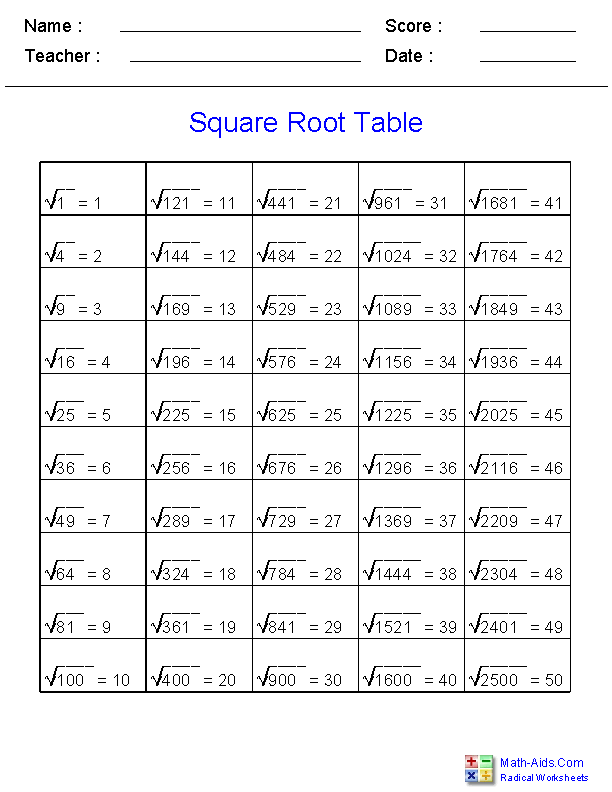

!order of operations worksheets 2312508:max_bytes(150000):strip_icc()/worksheet3-5b858fa74cedfd0025ba81c7.jpg)
Leave a Reply Cancel reply