
Research consistently shows that mastering foundational science concepts, such as understanding the water cycle and weather patterns, prevents learning gaps when children move on to more complex topics in later grades. For instance, a study on early science education found that students who developed a strong foundation in basic science concepts, like the formation of snow, were more likely to excel in advanced science courses.
This is particularly important in the context of snow science, as it introduces children to the fascinating world of meteorology and the natural processes that shape our environment.
The ability to comprehend and explain the science behind snow is crucial for developing a deeper understanding of our planet’s climate and weather systems. As children progress through their educational journey, they will encounter more complex topics, such as the impact of climate change on snowfall patterns and the role of snow in regulating Earth’s temperature.
By introducing these concepts at an early age, we can foster a sense of curiosity and wonder that will stay with them throughout their lives.
The Foundations of Snow Science
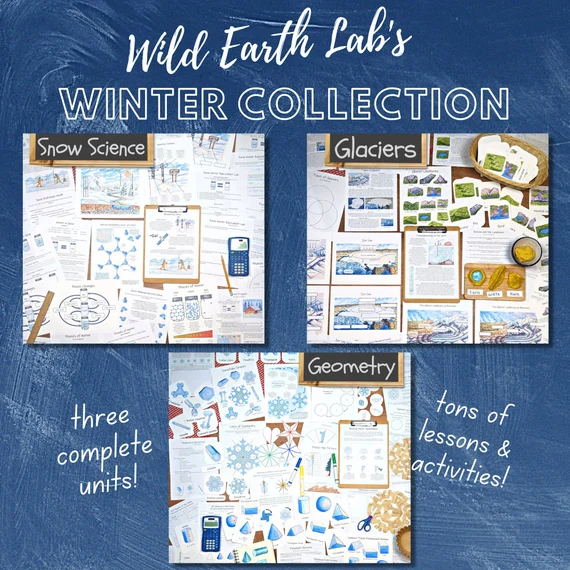
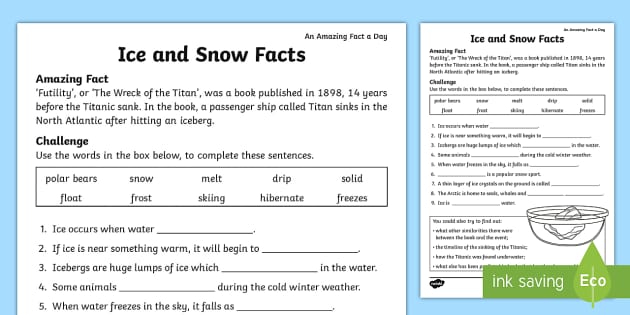
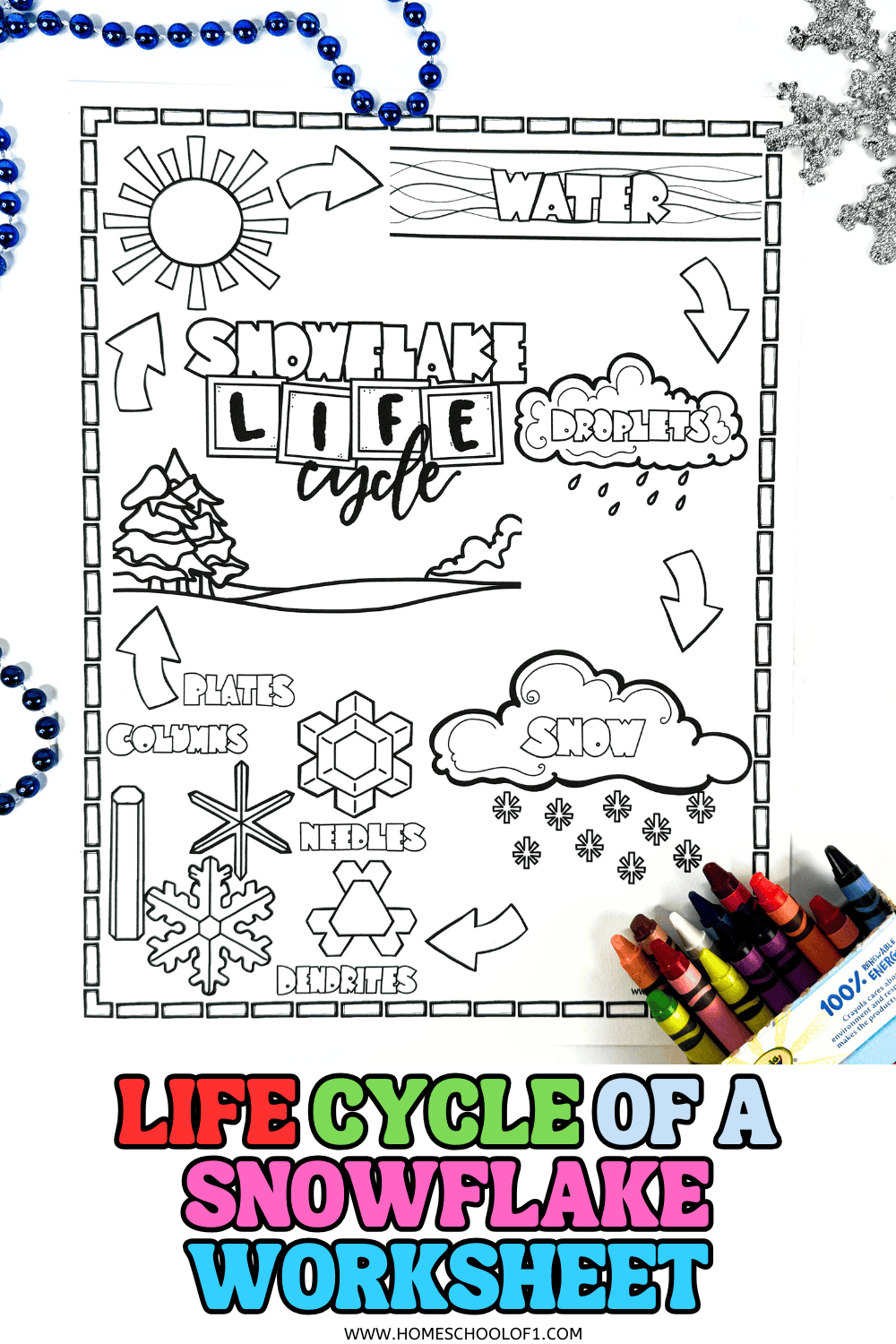
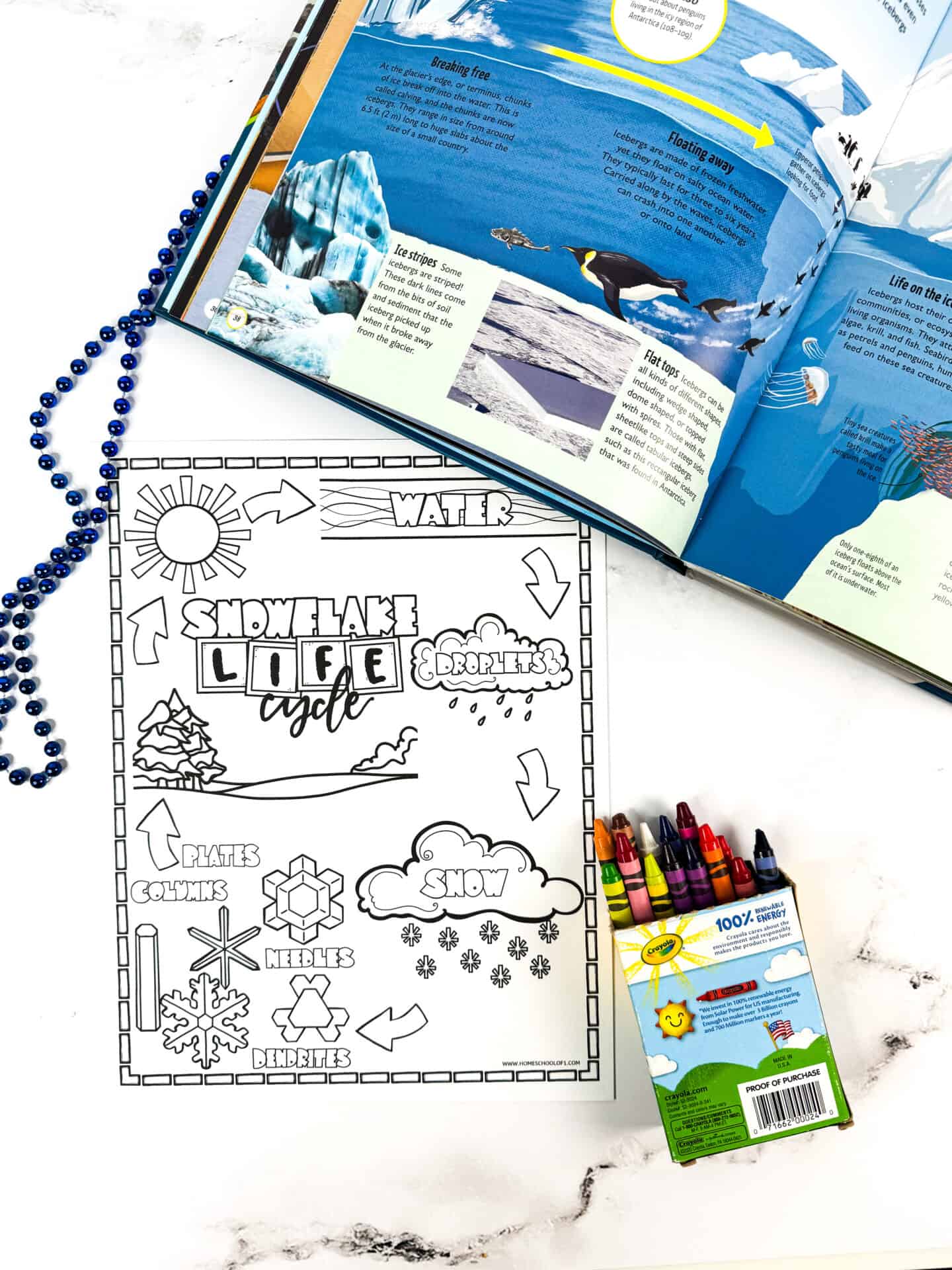
Child development experts agree that hands-on learning experiences, such as those provided by our Snow Science Worksheet PDF, are essential for helping children develop a thorough understanding of scientific concepts. Our worksheet is designed to be both fun and educational, featuring engaging activities and exercises that will keep your child motivated and excited about learning. For example, one activity asks children to match different types of snowflakes with their corresponding descriptions, helping to develop their critical thinking skills and attention to detail.
Aligning with Curriculum Standards
Studies on early literacy and numeracy have found that a well-structured curriculum is critical for ensuring that children develop a strong foundation in these subjects. Our Snow Science Worksheet PDF is carefully designed to align with national curriculum standards, providing a comprehensive and engaging learning experience that will help your child stay on track. By incorporating our worksheet into your child’s learning routine, you can be confident that they are receiving a high-quality education that will prepare them for success in the years to come.
Step-by-Step Implementation
Here’s how to get started with our Snow Science Worksheet PDF:
- Download the worksheet from our website and print it out on high-quality paper.
- Review the activities and exercises with your child, explaining the concepts and answering any questions they may have.
- Encourage your child to complete the worksheet on their own, providing guidance and support as needed.
- Once the worksheet is complete, review the answers with your child, discussing any areas where they may need extra help or practice.
Hands-On Extension Activity
Now, let us be honest for a second – learning about snow science can be even more fun when you bring it to life with hands-on activities! Here’s an idea for a fun and educational extension activity:
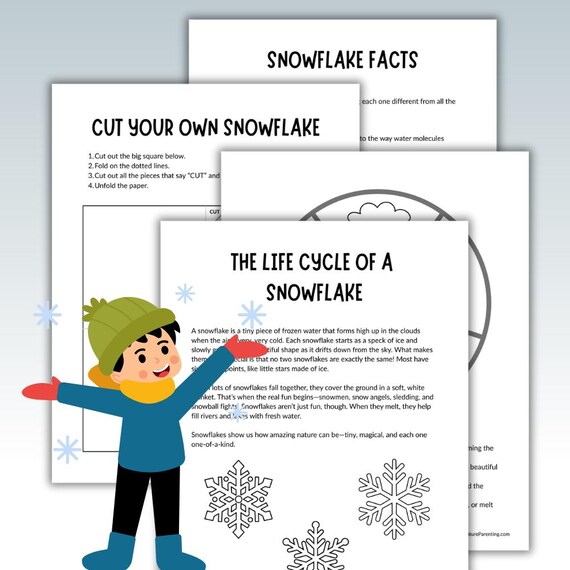
- Create a snowflake using folded paper and scissors, exploring the different shapes and patterns that can be created.
- Conduct an experiment to see how different temperatures affect the formation of snow, using a thermometer and a bowl of ice water.
- Make a snow-themed craft project, such as a snowman or a winter landscape, using materials like glue, scissors, and construction paper.
📌 Quick Home Hack: Try making a homemade snow globe using a jar, water, and glitter – it’s a fun and easy way to bring the magic of snow into your home!
Practical Classroom and Home Tips
As a teacher, I’ve seen firsthand how important it is to create a supportive and engaging learning environment. Here are some tips for using our Snow Science Worksheet PDF in the classroom or at home:
- Make it a game – turn the worksheet into a quiz or a challenge, and see who can complete it the fastest.
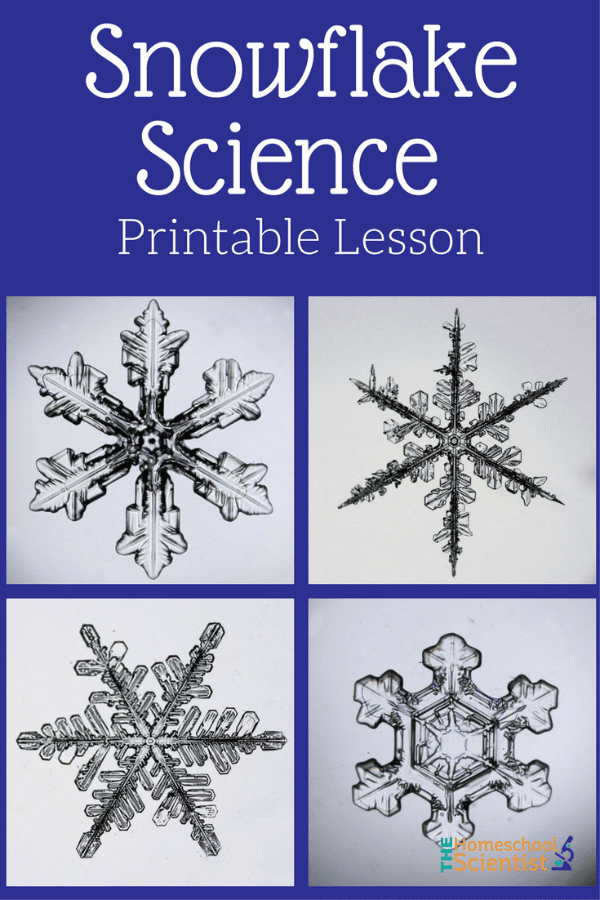
- Use real-life examples – show your child pictures or videos of snowflakes, and ask them to describe what they see.
- Encourage critical thinking – ask your child to think critically about the concepts they are learning, and to come up with their own questions and hypotheses.
Differentiation for Diverse Learners
Building Confidence Before Accuracy
For children who are anxious or frustrated by this skill, it’s essential to focus on building confidence and effort, rather than just accuracy. Here are some strategies you can try:
- Provide verbal encouragement – praise your child for their efforts, and encourage them to keep trying.
- Break it down into smaller steps – make the task less overwhelming by breaking it down into smaller, more manageable steps.
- Offer choices – give your child a choice between different activities or exercises, and let them take the lead.
Going Deeper for Children Ready for More
For children who are confident and accurate, it’s time to challenge them and take their learning to the next level. Here are some ideas for intellectually stimulating extensions:
- Ask open-ended questions – encourage your child to think critically and come up with their own questions and hypotheses.
- Provide more complex activities – offer more challenging exercises and activities that will push your child’s knowledge and skills.
- Encourage creative application – ask your child to apply what they’ve learned to real-life situations, or to come up with their own creative projects.
Common Parent and Teacher Questions
Q: How can I make learning about snow science more engaging for my child?
A: Try incorporating hands-on activities and real-life examples into your teaching, and make it a game or a challenge to keep your child motivated and excited.
Q: What if my child is struggling with the concepts – how can I provide extra support?
A: Break the task down into smaller steps, provide verbal encouragement, and offer choices to help build confidence and effort.
Q: How can I assess my child’s understanding of snow science?
A: Use a combination of quizzes, tests, and observational assessments to evaluate your child’s knowledge and skills, and adjust your teaching accordingly.
As we reflect on the importance of mastering foundational science concepts, it becomes clear that our Snow Science Worksheet PDF is a valuable resource for any parent or teacher looking to provide a high-quality education. By introducing children to the fascinating world of meteorology and the natural processes that shape our environment, we can foster a sense of curiosity and wonder that will stay with them throughout their lives.

In the end, it’s the small daily moments that make all the difference – the spark of excitement in a child’s eye when they learn something new, the sense of pride and accomplishment when they complete a challenging task. As parents and teachers, we have the power to create a supportive and engaging learning environment that will help our children thrive and succeed.
So let’s make the most of these moments, and provide our children with the tools and resources they need to reach their full potential. For more information on how to support your child’s learning, visit Complete Kindergarten Curriculum & Printable Hub or explore other educational resources like Fancy Ways To Write Cursive Letters. You can also Discover printable worksheets for kids to make learning fun and engaging.


Leave a Reply Cancel reply