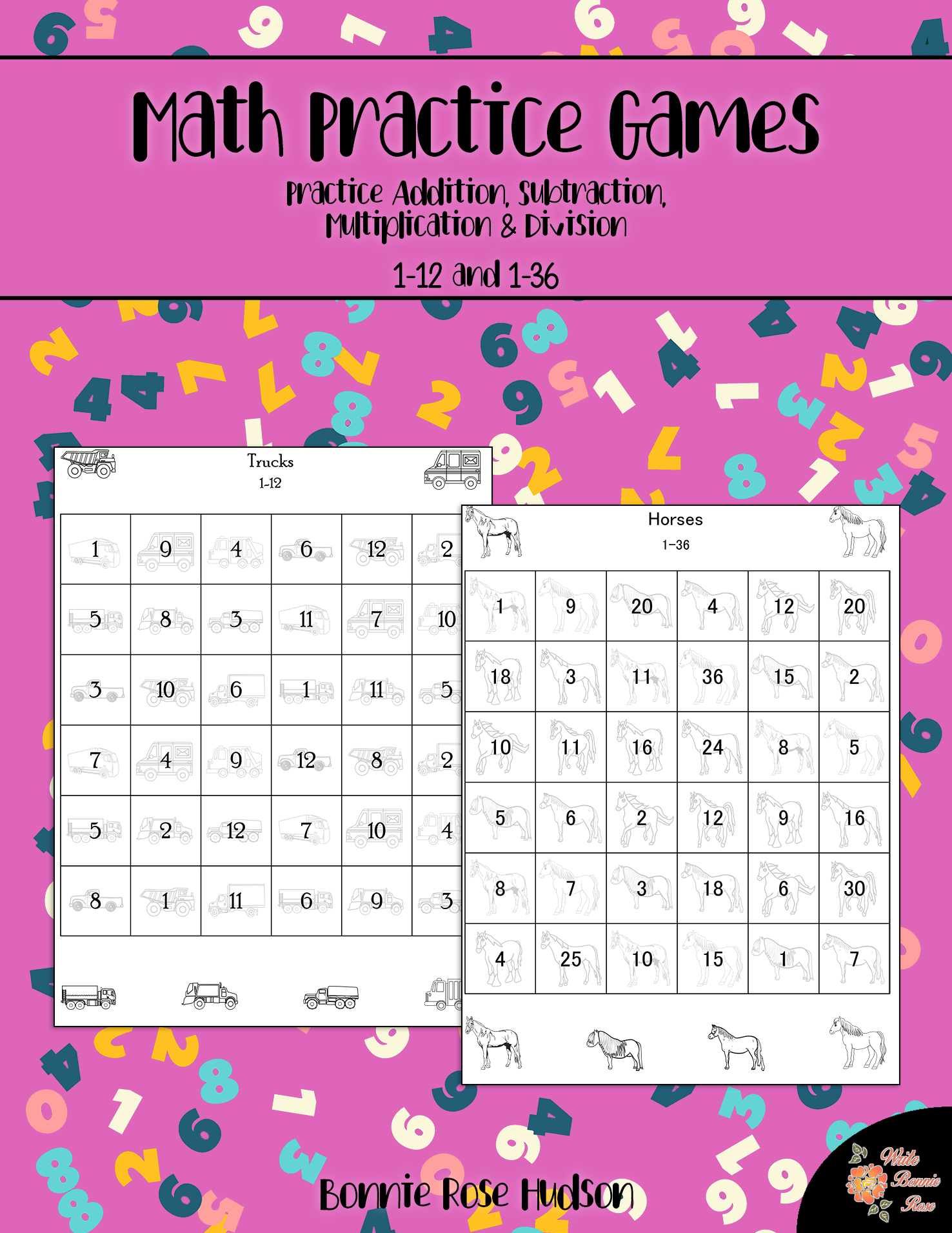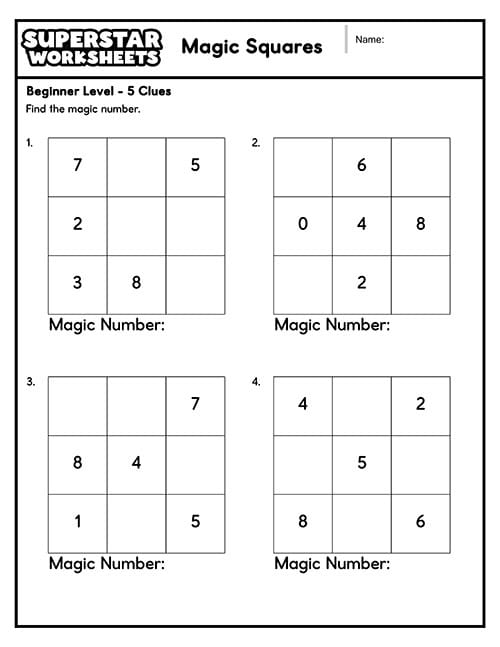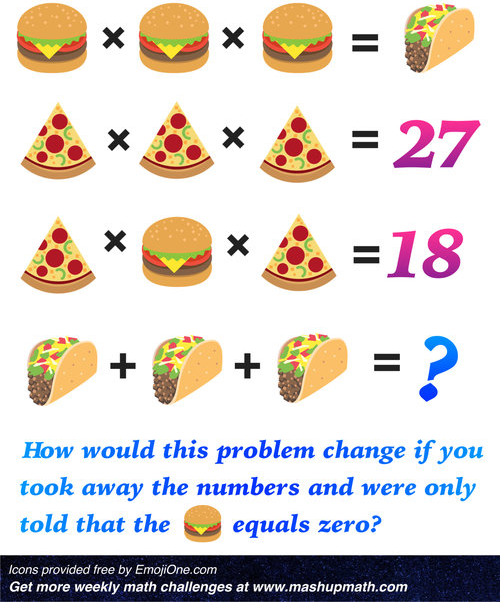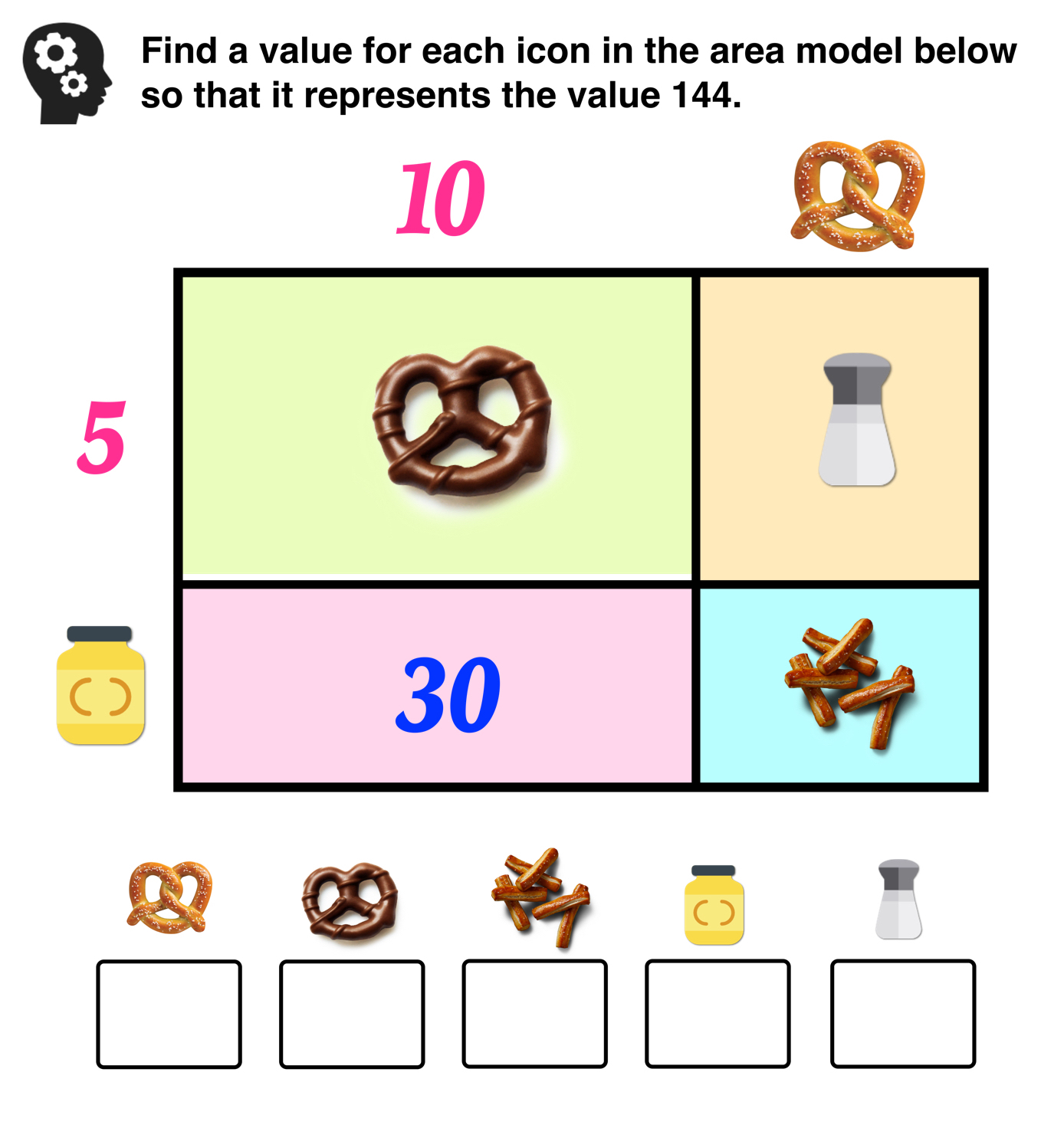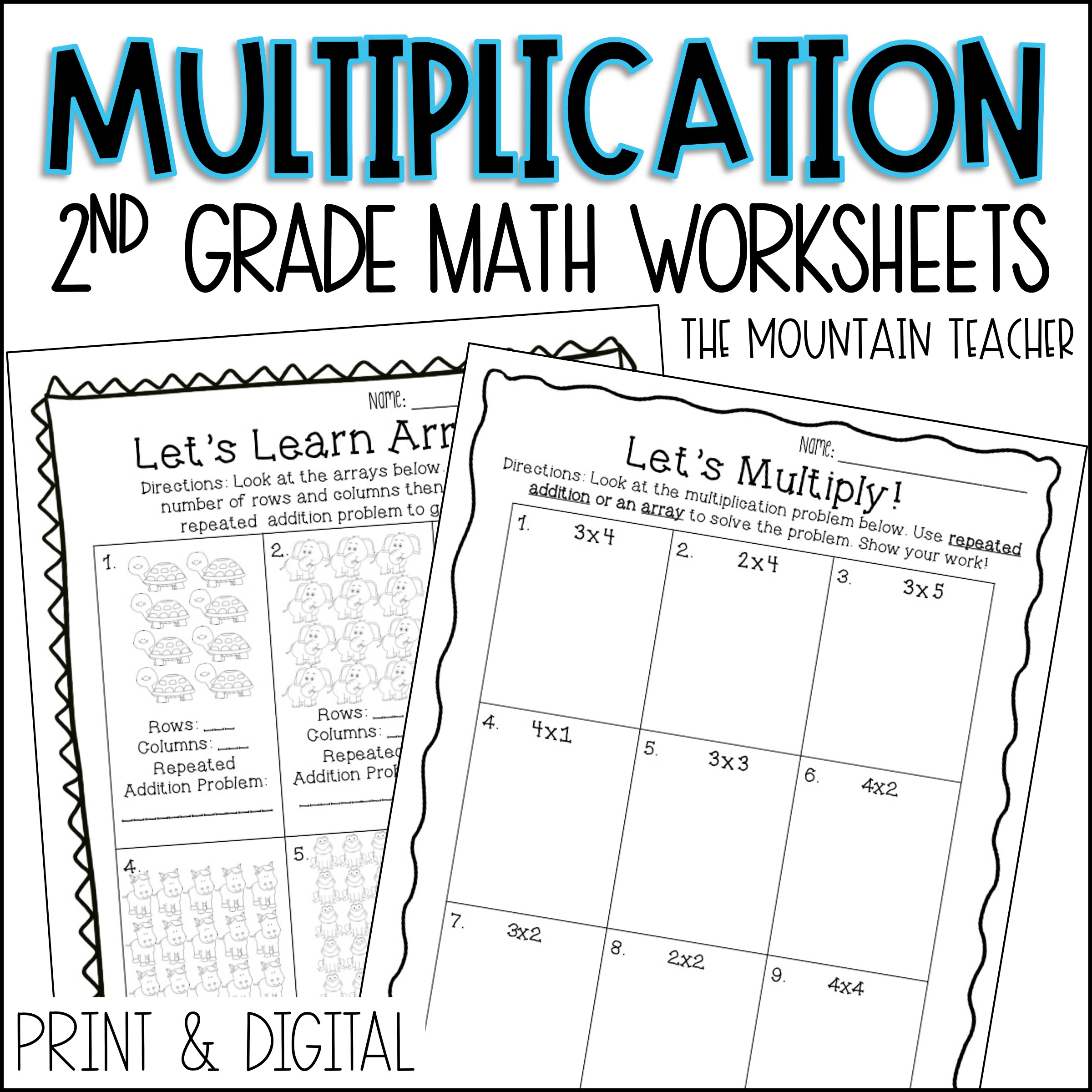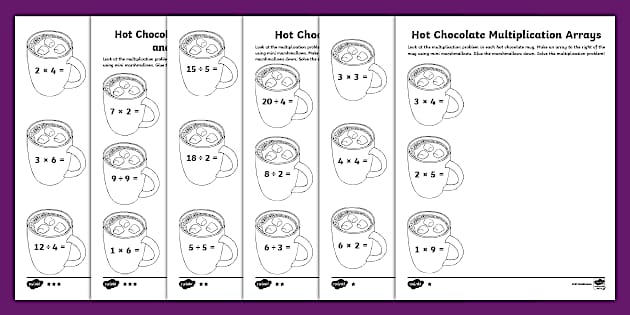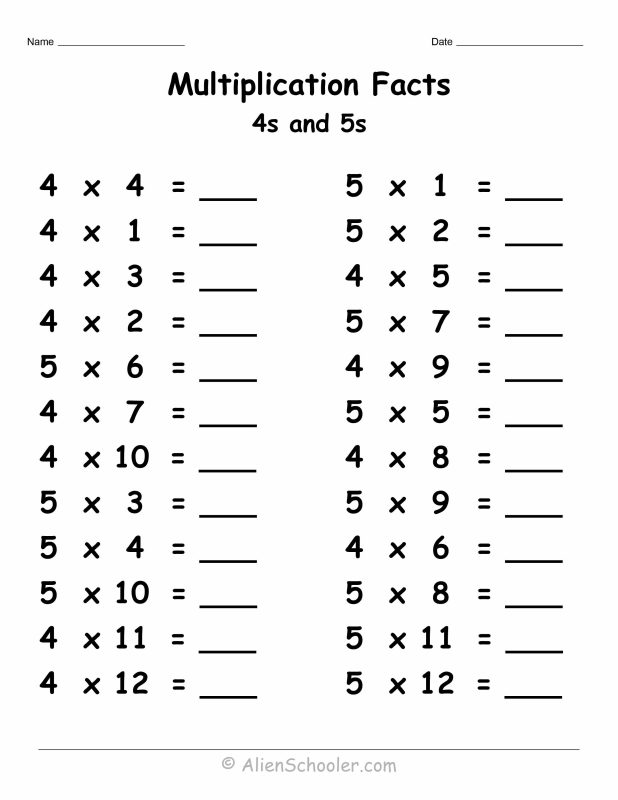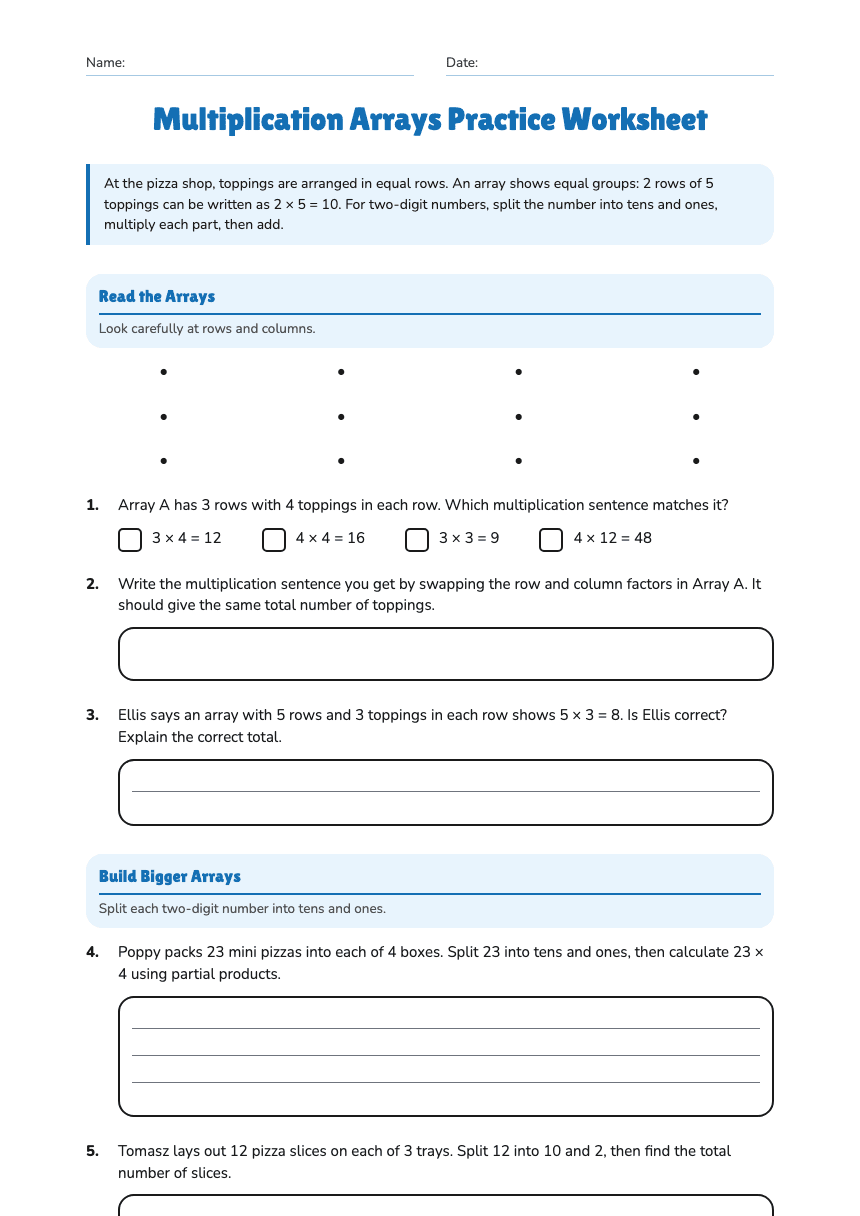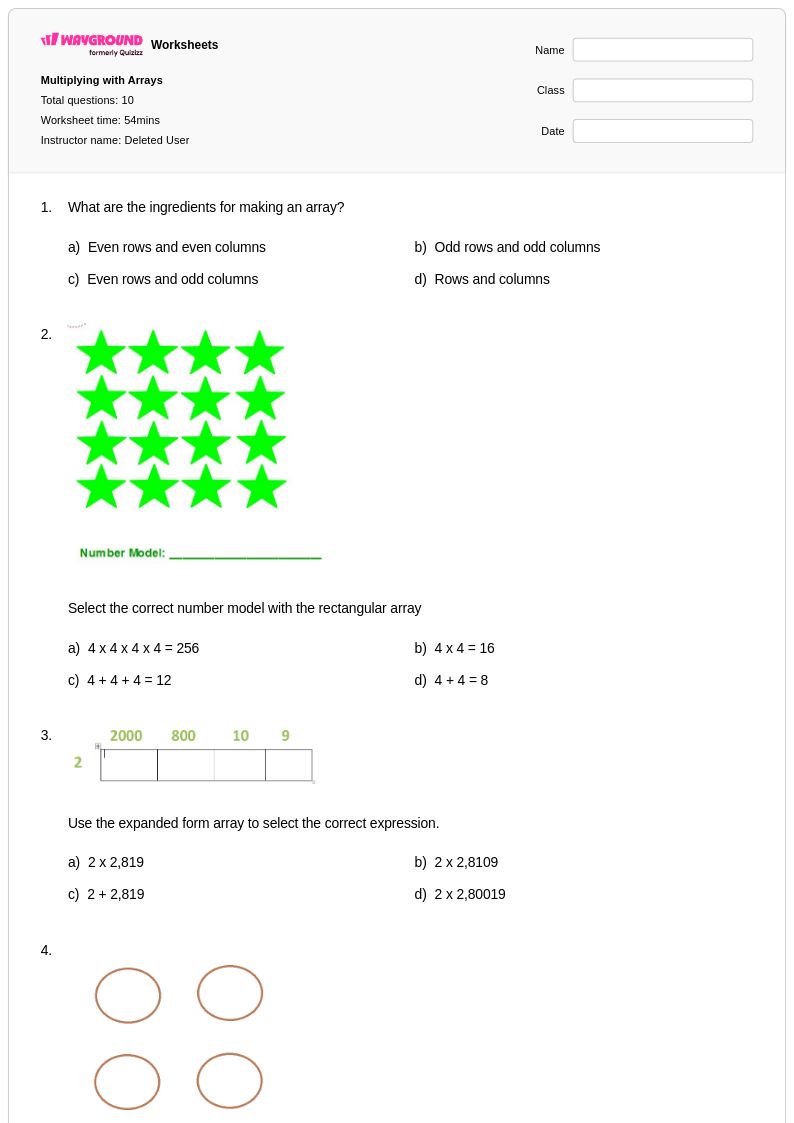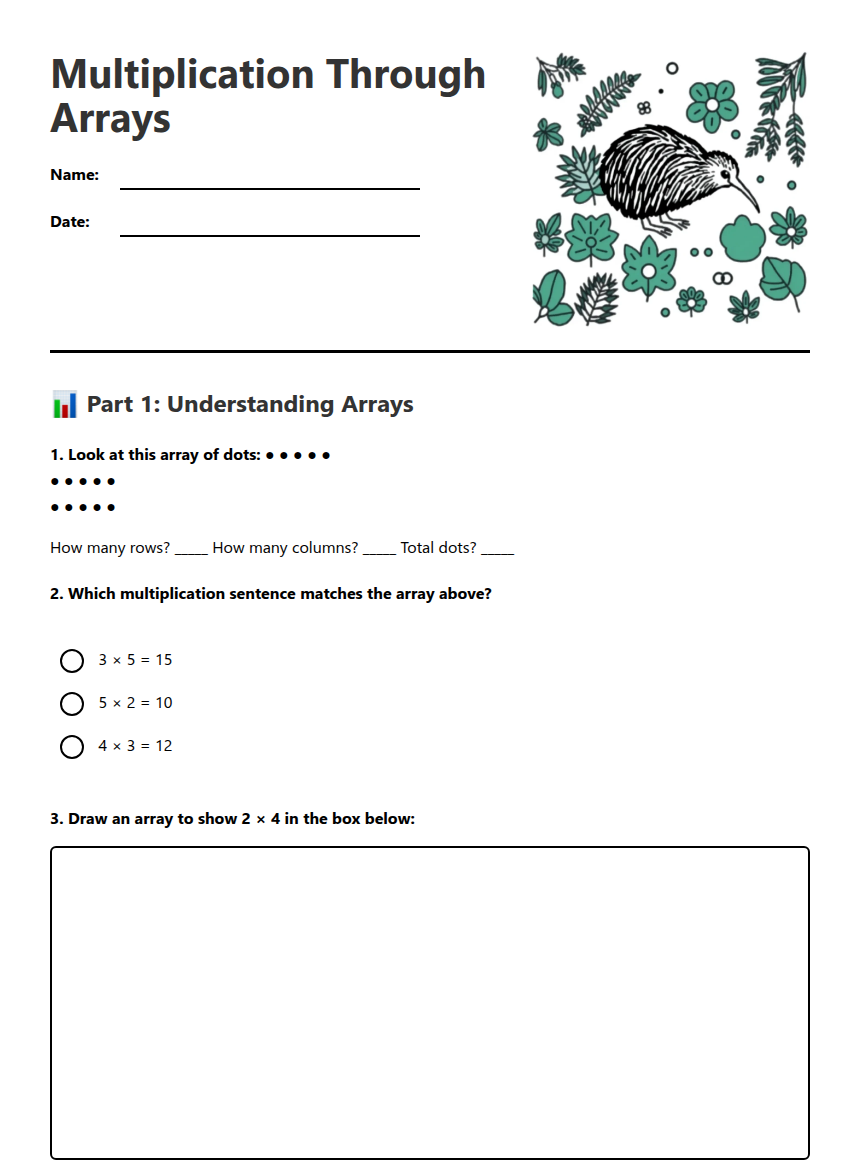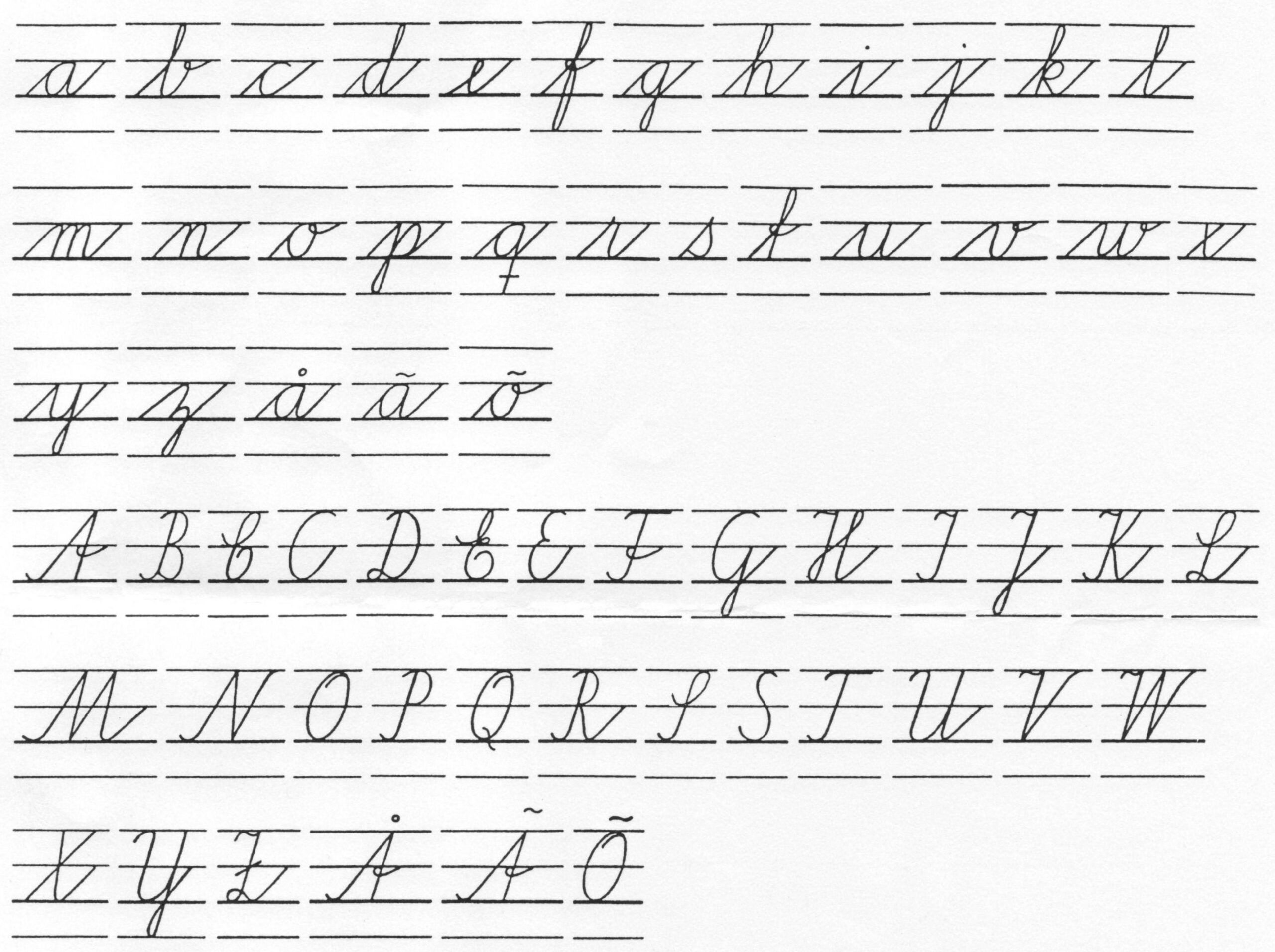
The principle that combining visual recognition with physical writing accelerates mastery is particularly relevant when it comes to exponential equations. This concept, which involves solving equations where the variable appears in the exponent, can be challenging for students to grasp. By using worksheets that incorporate visual elements, such as graphs and charts, along with physical writing exercises, students can develop a deeper understanding of exponential equations and improve their problem-solving skills.
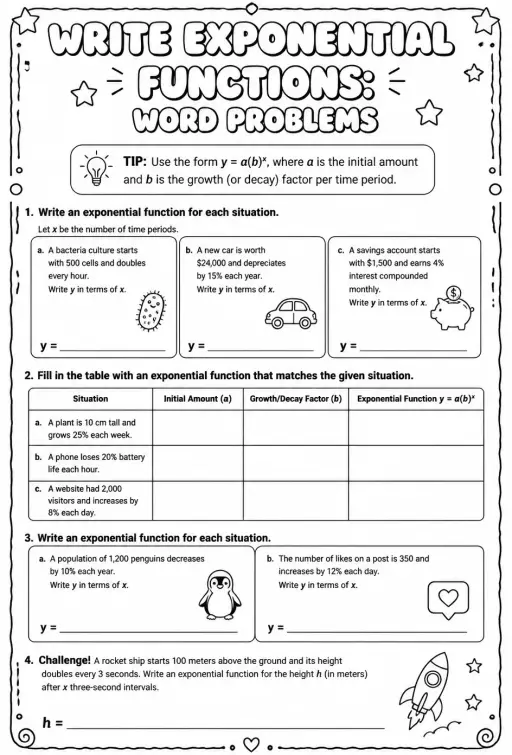
As a veteran educator and founder of PrintablePy, I have seen firsthand the struggles that students face when trying to master exponential equations. Many students find it difficult to apply the abstract concepts to real-world problems, and this is where word problems come in. Word problems provide a context for the equations, making them more relatable and easier to understand.

By using worksheets that combine visual recognition with physical writing, students can develop a strong foundation in exponential equations and build their confidence in solving word problems.
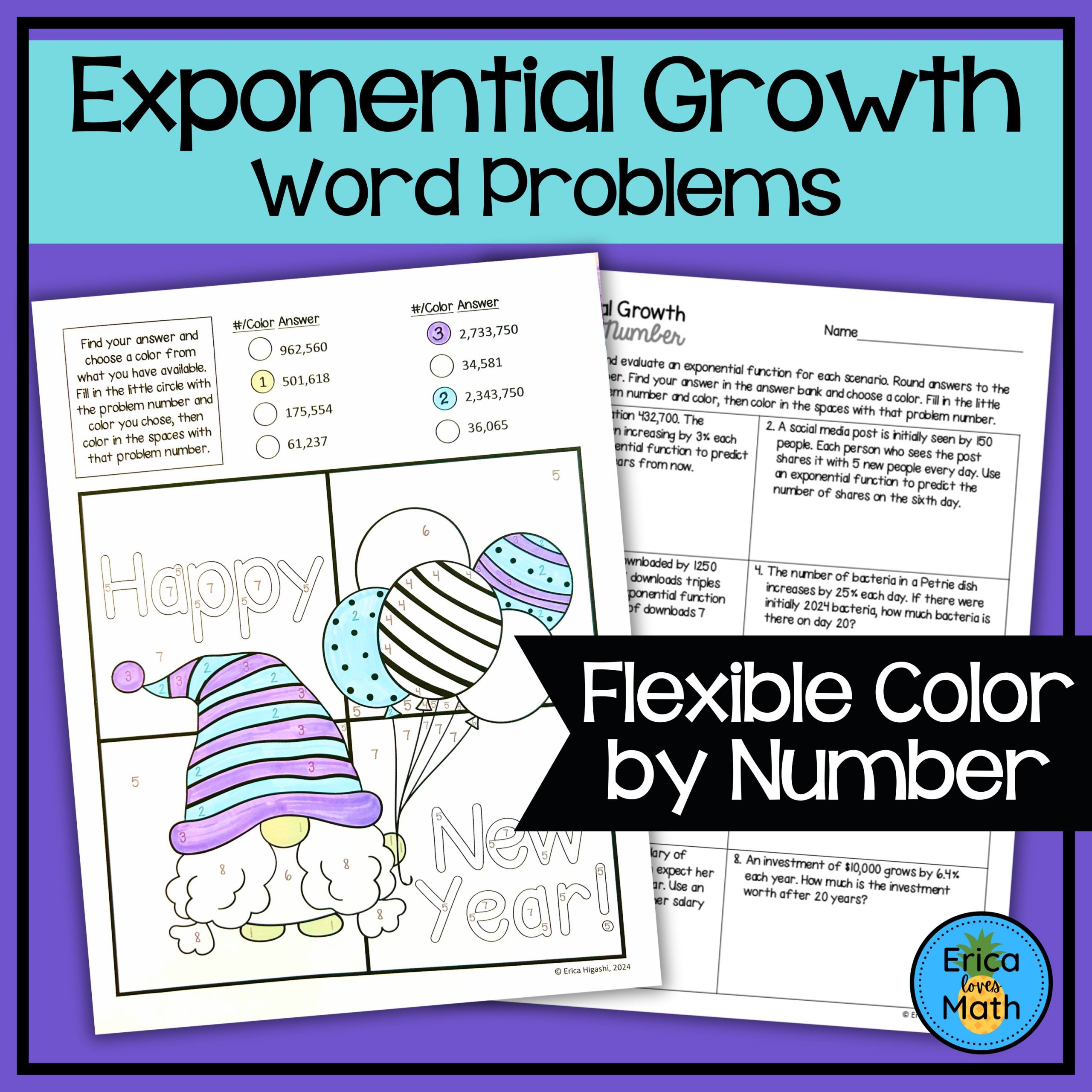
A parent recently told me that their child was struggling to understand exponential equations, despite having a good grasp of basic algebra. The parent was frustrated because they didn’t know how to help their child, and the child was becoming increasingly discouraged. This is a common scenario, and it highlights the importance of using the right teaching tools and strategies.
By incorporating visual elements and physical writing exercises into the learning process, parents and teachers can help students overcome their struggles and develop a deeper understanding of exponential equations.
How to Develop a Strong Foundation in Exponential Equations
Mastering exponential equations requires a combination of visual recognition, physical writing, and real-world applications.
To develop a strong foundation in exponential equations, students need to start with the basics. This includes understanding the concept of exponents and how they are used in equations. From there, students can move on to more complex topics, such as solving exponential equations and graphing exponential functions. By using worksheets that incorporate visual elements, such as graphs and charts, students can develop a deeper understanding of these concepts and improve their problem-solving skills.
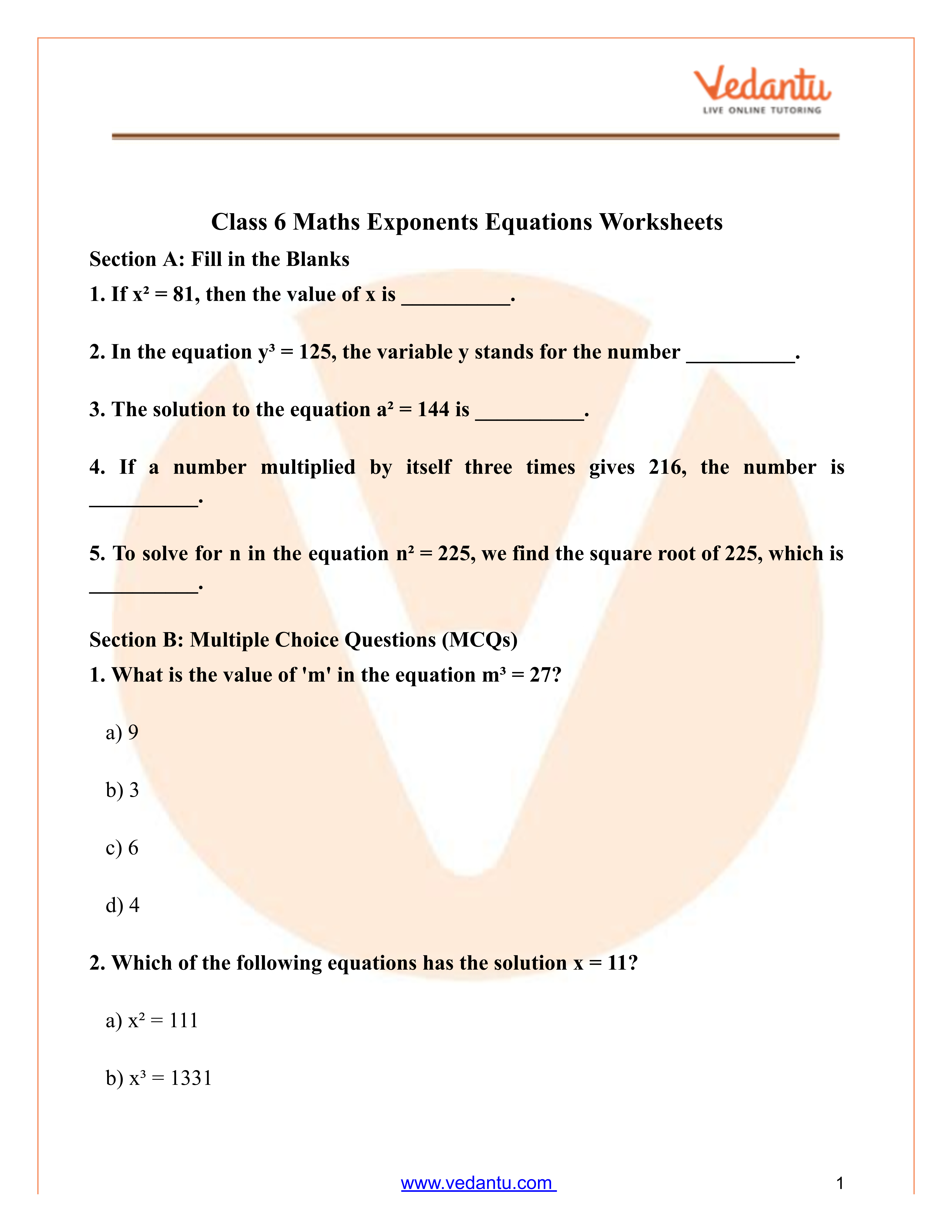
Families often report that their children struggle with word problems, particularly when it comes to exponential equations. This is because word problems require students to apply abstract concepts to real-world scenarios, which can be challenging. However, by using worksheets that combine visual recognition with physical writing, students can develop a stronger connection between the abstract concepts and the real-world applications.
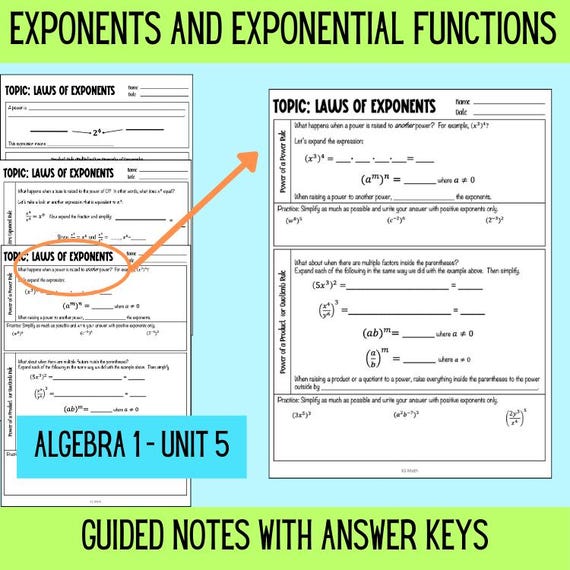
For example, a worksheet might include a word problem that involves calculating the growth of a population over time, using an exponential equation to model the growth.
How to Make Word Problems More Engaging and Relevant
Using real-world scenarios and visual elements can make word problems more engaging and relevant.
To make word problems more engaging and relevant, teachers and parents can use real-world scenarios and visual elements. For example, a worksheet might include a word problem that involves calculating the cost of a cell phone plan, using an exponential equation to model the cost over time. By using scenarios that are relevant to students’ lives, teachers and parents can help students see the value and importance of exponential equations.
Parents who have tried this approach at home notice that their children are more motivated to learn and practice exponential equations. This is because the real-world scenarios and visual elements make the equations more relatable and interesting. Additionally, by incorporating physical writing exercises into the learning process, students can develop a stronger connection between the abstract concepts and the real-world applications.
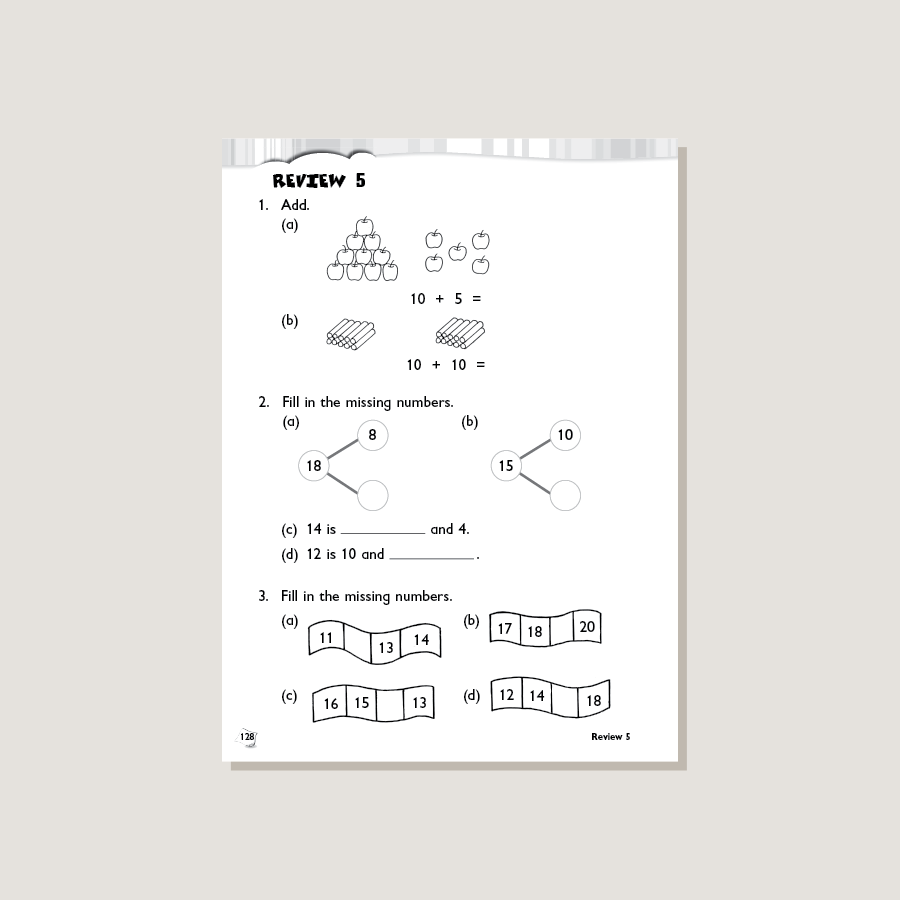
For instance, students can use Singapore Math 1a Worksheets to practice solving exponential equations in a more visual and interactive way.

How to Align Exponential Equations with Curriculum Standards
Exponential equations are an essential part of the math curriculum, and aligning them with curriculum standards is crucial.
Exponential equations are an essential part of the math curriculum, and aligning them with curriculum standards is crucial. Teachers and parents need to ensure that students are meeting the required standards and benchmarks, and that they are prepared for assessments and evaluations. By using worksheets that are aligned with curriculum standards, teachers and parents can help students develop a strong foundation in exponential equations and prepare them for success in math.
A key aspect of aligning exponential equations with curriculum standards is to ensure that students are able to apply the concepts to real-world problems. This requires using worksheets that incorporate word problems and visual elements, such as graphs and charts. By doing so, students can develop a deeper understanding of exponential equations and improve their problem-solving skills.
For example, teachers can use 7th Grade Reading Comprehension Worksheets PDF to help students practice reading and understanding word problems that involve exponential equations.

How to Implement Effective Teaching Strategies
Effective teaching strategies, such as differentiated instruction and technology integration, can help students master exponential equations.
Effective teaching strategies, such as differentiated instruction and technology integration, can help students master exponential equations. Teachers and parents need to be aware of the different learning styles and abilities of their students and adapt their teaching strategies accordingly. By using a variety of teaching strategies, such as visual aids, hands-on activities, and technology integration, teachers and parents can help students develop a deeper understanding of exponential equations and improve their problem-solving skills.
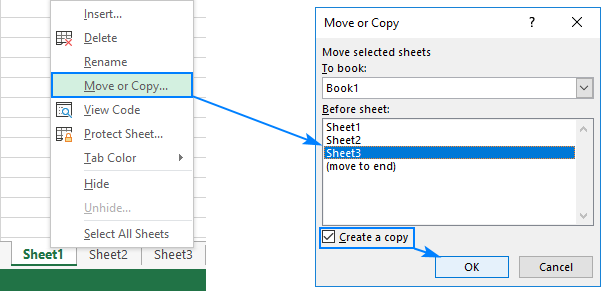
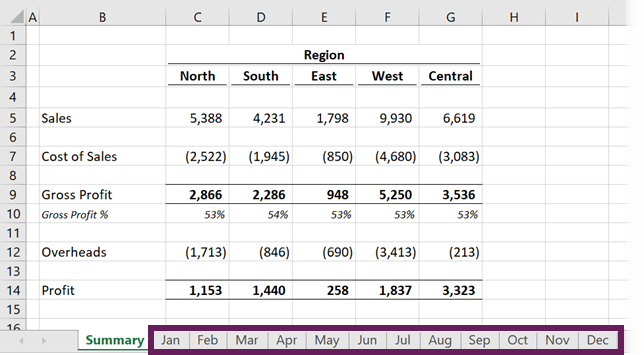
For instance, teachers can use How To Copy The Same Cell From Multiple Worksheets In Excel to create interactive worksheets that allow students to practice solving exponential equations in a more engaging and interactive way. Additionally, by incorporating physical writing exercises into the learning process, students can develop a stronger connection between the abstract concepts and the real-world applications.

How to Extend Learning with Multi-Sensory Activities
Multi-sensory activities, such as games and simulations, can help students develop a deeper understanding of exponential equations.
Multi-sensory activities, such as games and simulations, can help students develop a deeper understanding of exponential equations. By incorporating different senses, such as sight, sound, and touch, teachers and parents can help students engage with the material on a deeper level. For example, a game might involve solving exponential equations to progress through levels, or a simulation might involve modeling real-world scenarios using exponential equations.
Parents who have tried this approach at home notice that their children are more motivated to learn and practice exponential equations. This is because the multi-sensory activities make the equations more engaging and interactive. Additionally, by incorporating physical writing exercises into the learning process, students can develop a stronger connection between the abstract concepts and the real-world applications.
For example, students can use Printable learning worksheets for kids to practice solving exponential equations in a more visual and interactive way.
How to Differentiate Instruction for All Learners
Differentiating instruction for all learners is crucial to ensure that each student receives the support and challenge they need.
Differentiating instruction for all learners is crucial to ensure that each student receives the support and challenge they need. Teachers and parents need to be aware of the different learning styles and abilities of their students and adapt their teaching strategies accordingly. By using a variety of teaching strategies, such as visual aids, hands-on activities, and technology integration, teachers and parents can help students develop a deeper understanding of exponential equations and improve their problem-solving skills.
Scaffolded Support: A Step-by-Step Path
To provide scaffolded support, teachers and parents can use temporary instructional supports, such as verbal prompts, visual anchors, teacher modeling, or partial examples. These supports can help students who are struggling to understand exponential equations and provide a step-by-step path to mastery. For example, a teacher might provide a partial example of a word problem, and then ask the student to complete the solution on their own.
Enrichment Path: What Comes Next
To provide an enrichment path, teachers and parents can use more complex and challenging materials, such as independent project work or advanced word problems. These materials can help students who are ready for a challenge and provide an opportunity for them to apply their knowledge of exponential equations to real-world scenarios. For instance, students can use the Complete Kindergarten Curriculum & Printable Hub to access more advanced worksheets and activities that involve exponential equations.
How to Reflect on Progress and Adjust Instruction
Reflecting on progress and adjusting instruction is crucial to ensure that students are meeting their learning goals.
Reflecting on progress and adjusting instruction is crucial to ensure that students are meeting their learning goals. Teachers and parents need to regularly assess student progress and adjust their teaching strategies accordingly. By using a variety of assessment tools, such as quizzes, tests, and project-based evaluations, teachers and parents can help students develop a deeper understanding of exponential equations and improve their problem-solving skills.
As Sophia sits in her classroom, confidently solving exponential equations and applying them to real-world problems, it’s clear that she has mastered this complex concept. She is able to explain her thought process and provide examples of how she would use exponential equations in her everyday life.

With a smile on her face, she says, “I never thought I could understand exponential equations, but now I see how they are used everywhere.” And with that, she begins to work on a new project, applying her knowledge of exponential equations to a real-world scenario, eager to see the results and learn even more.
With the right teaching tools and strategies, any student can achieve this level of mastery and confidence.